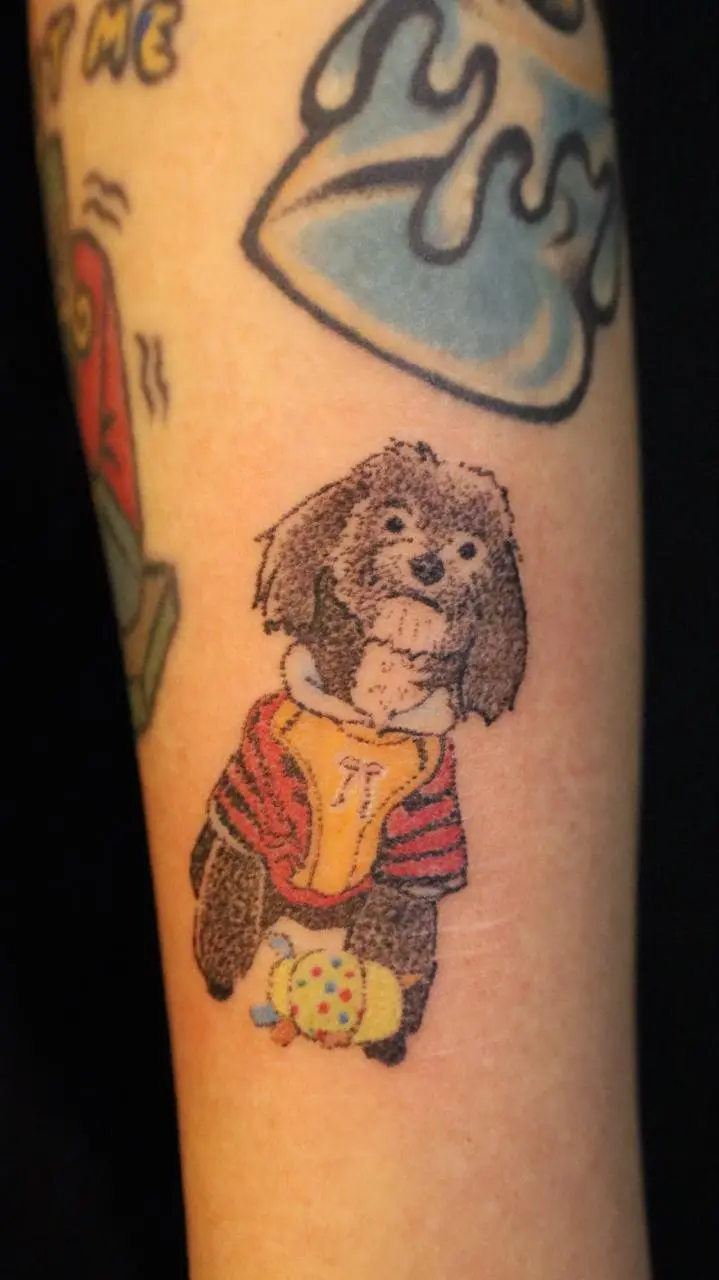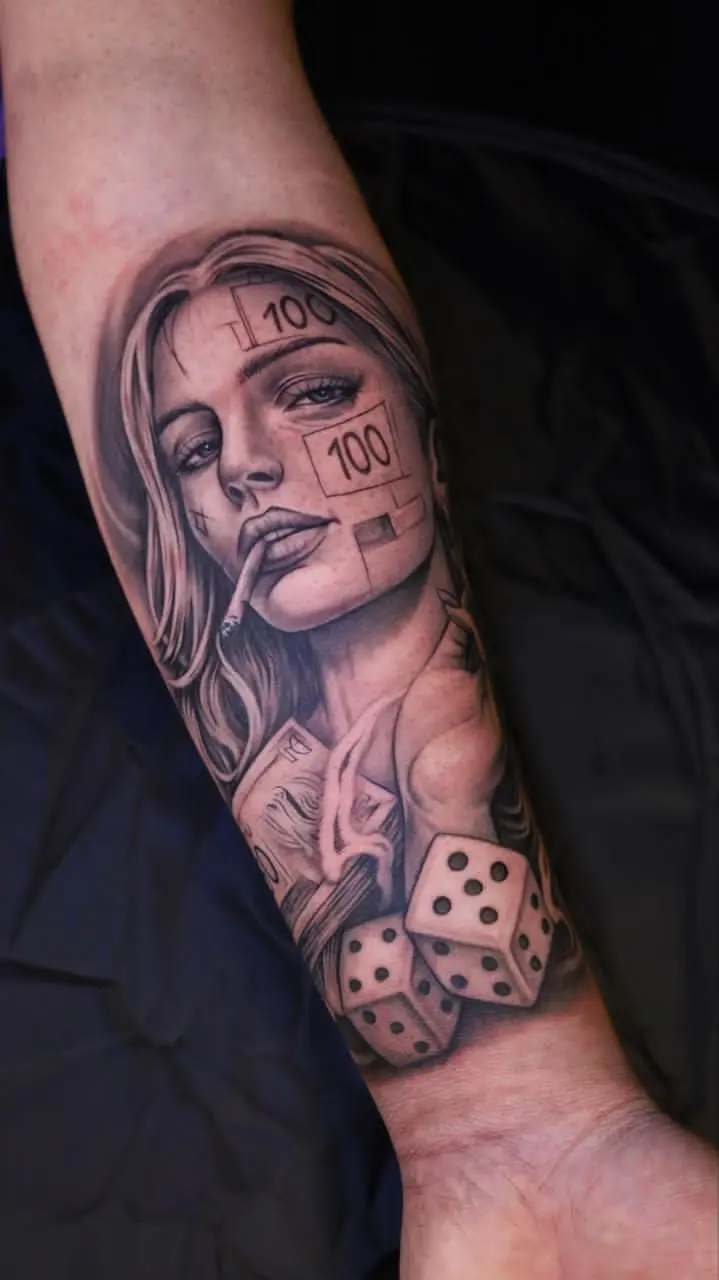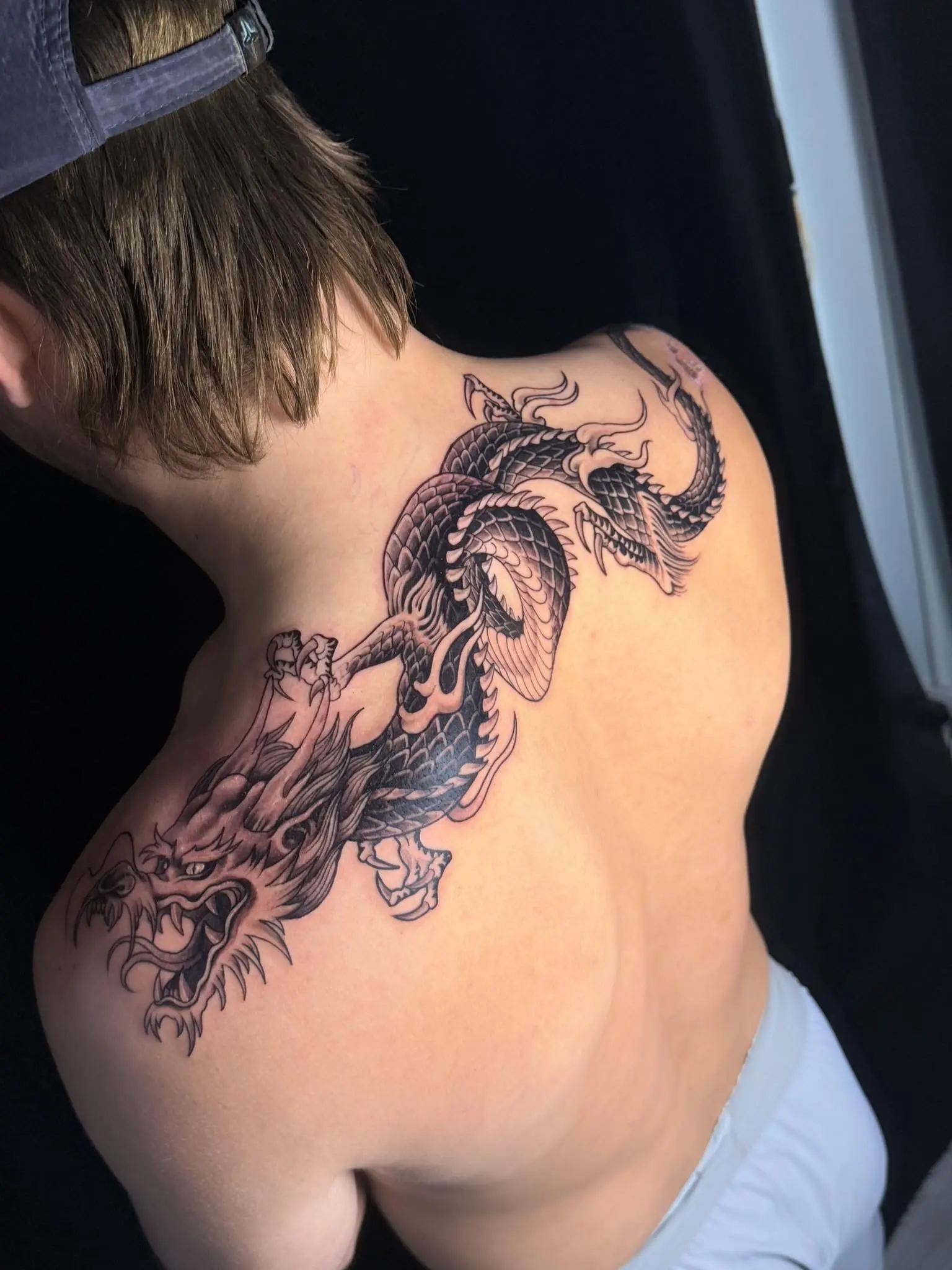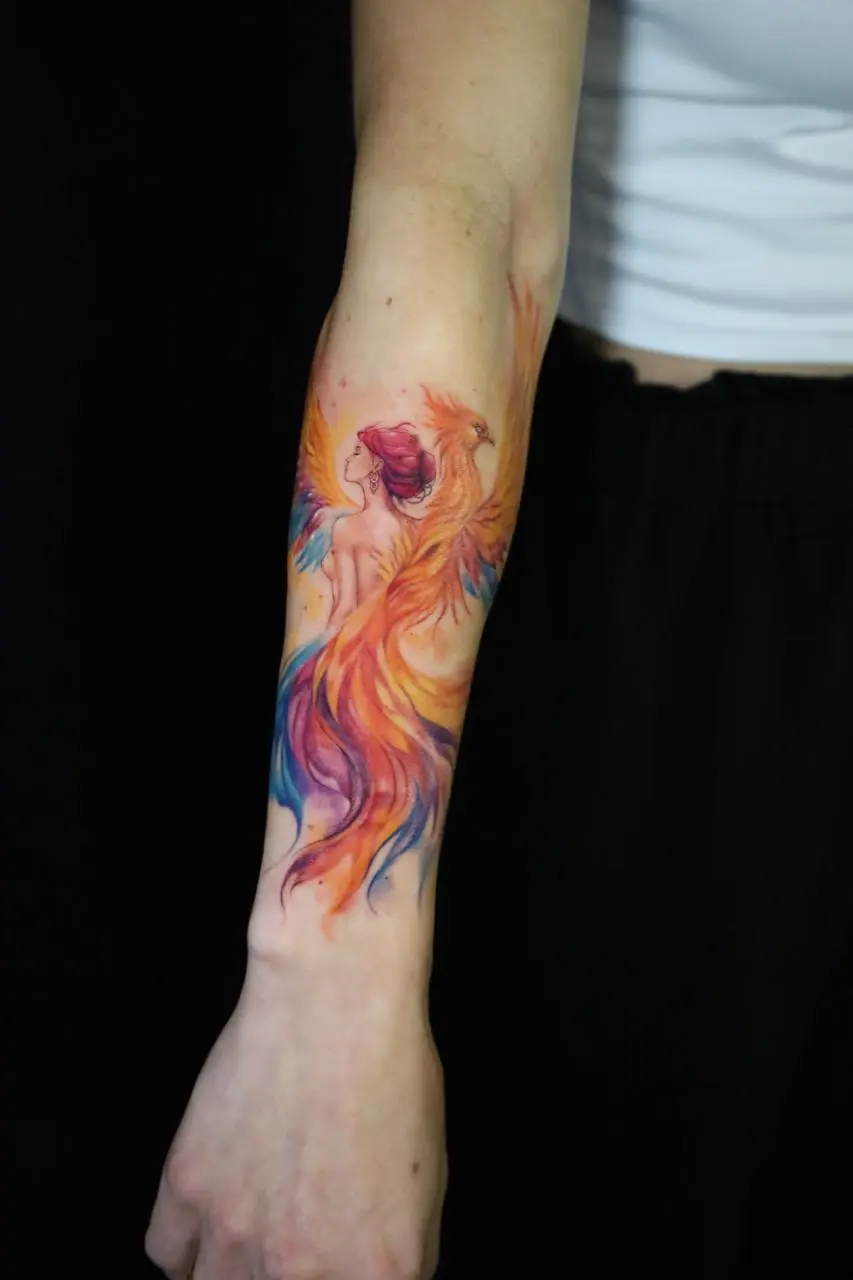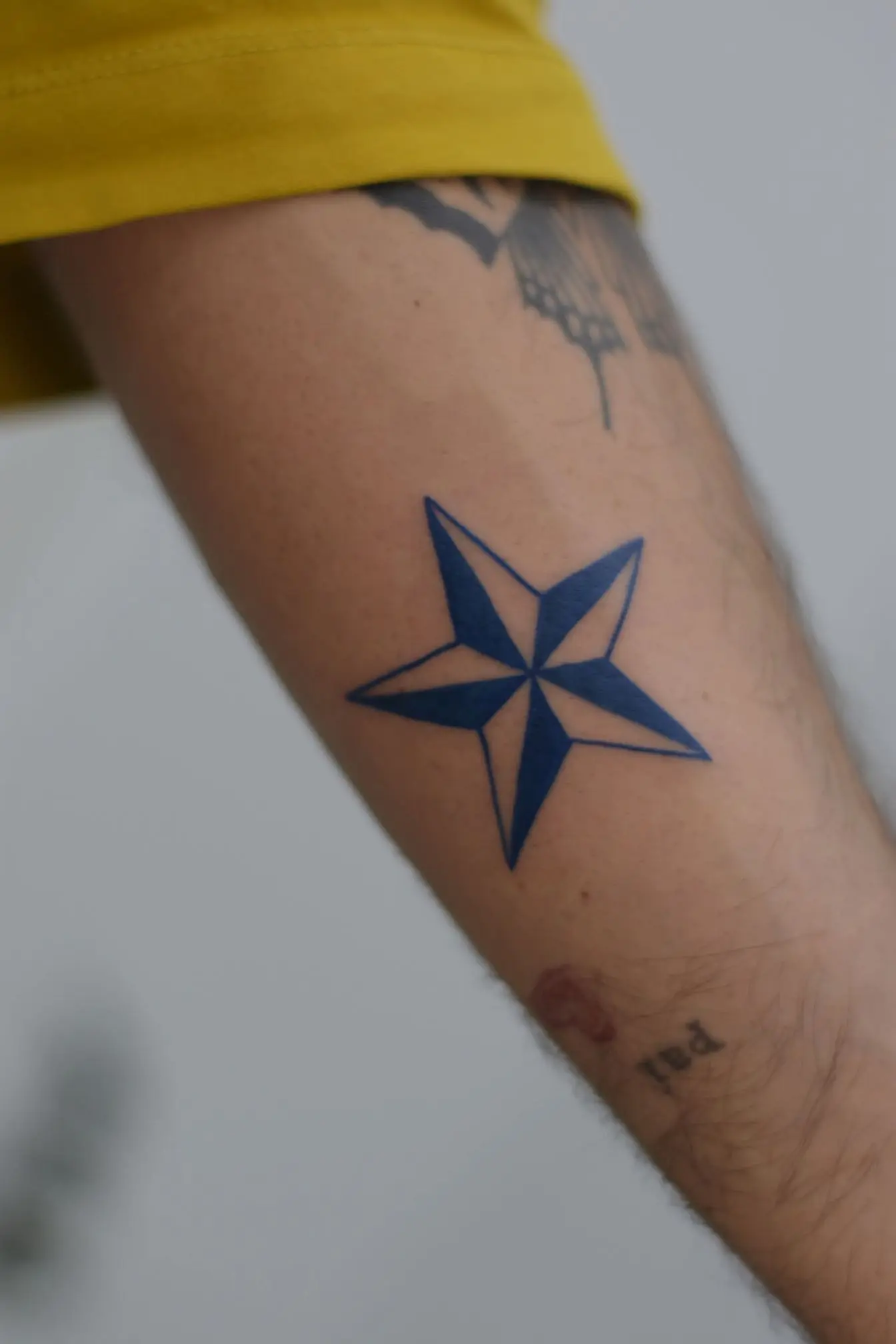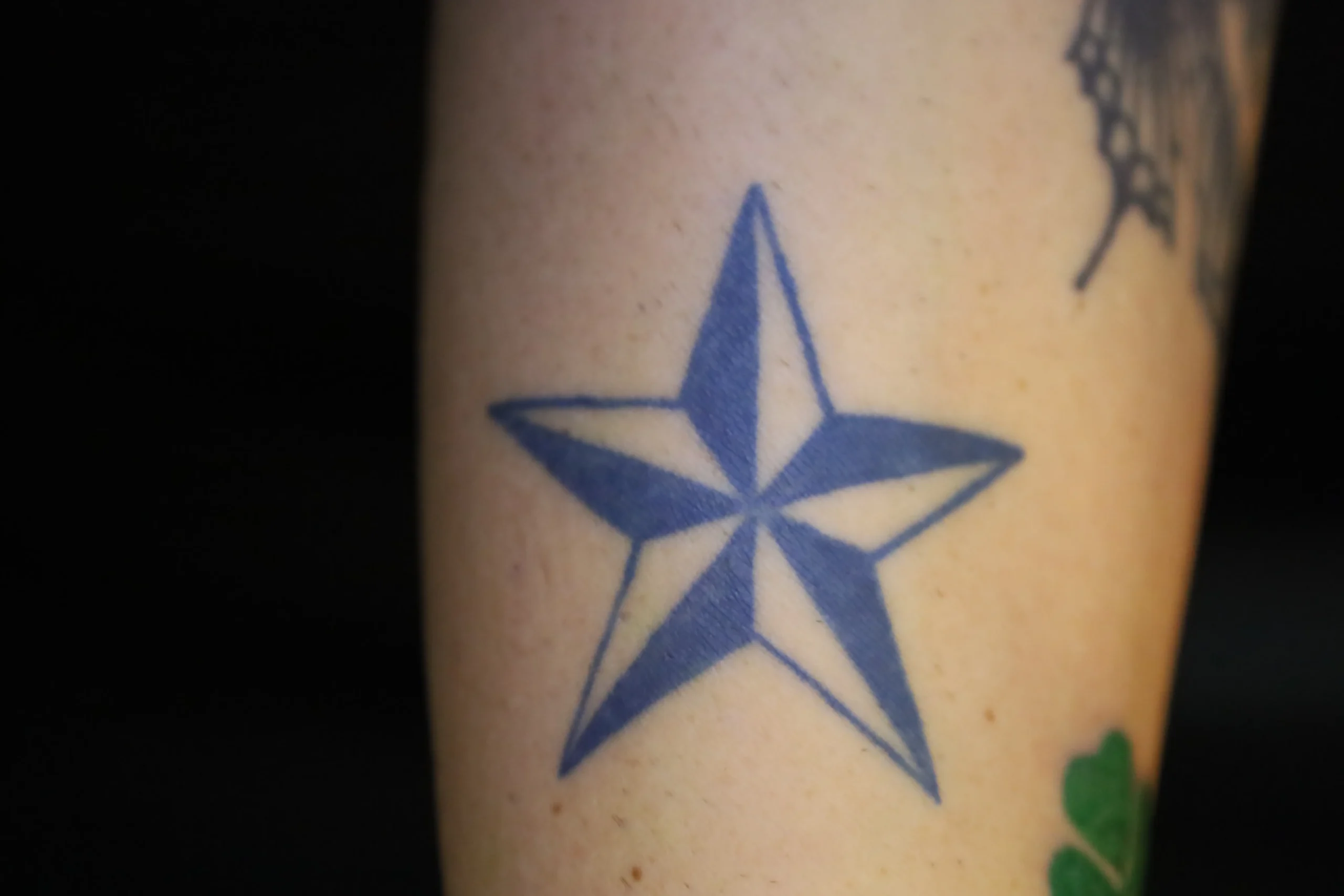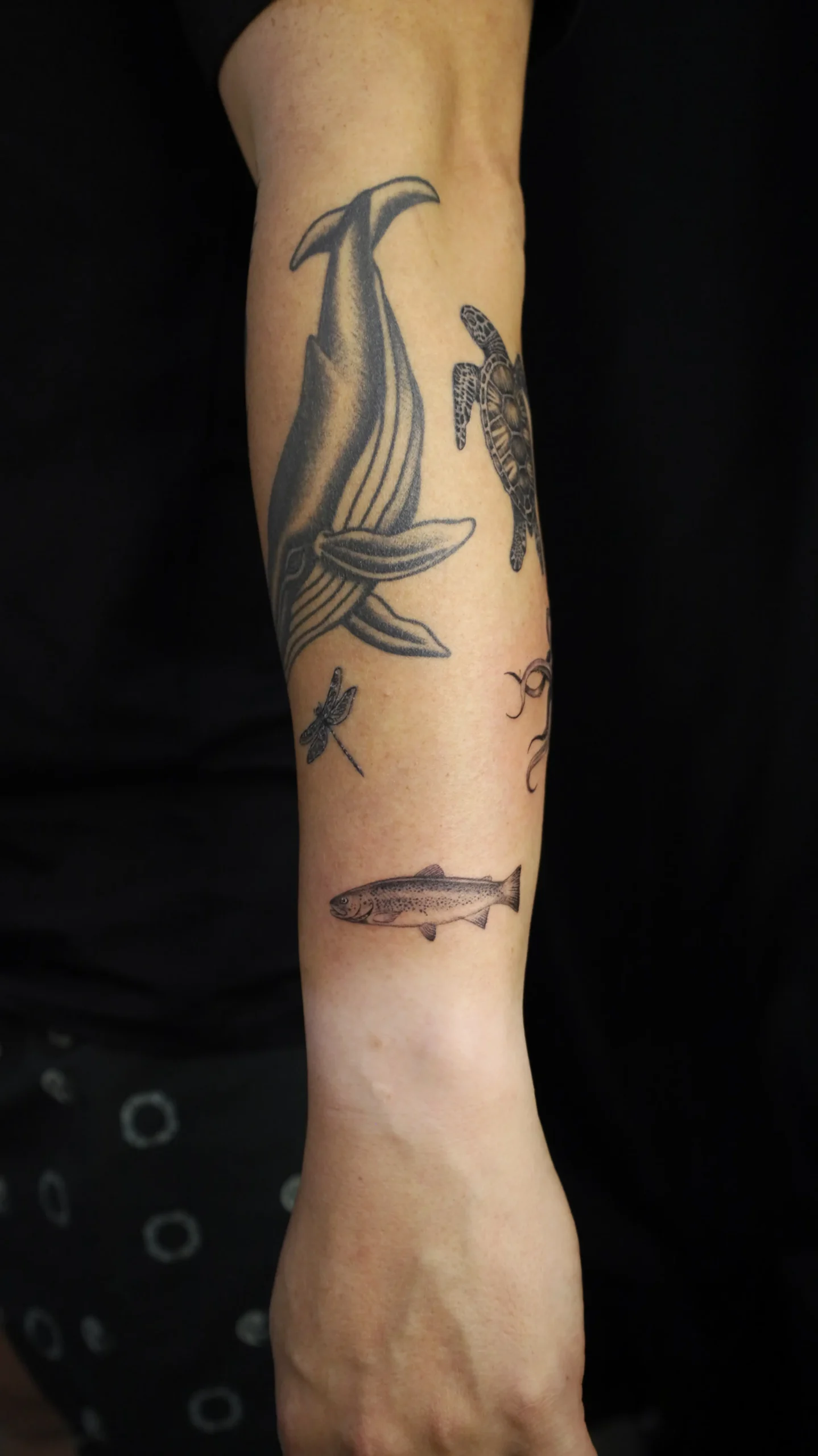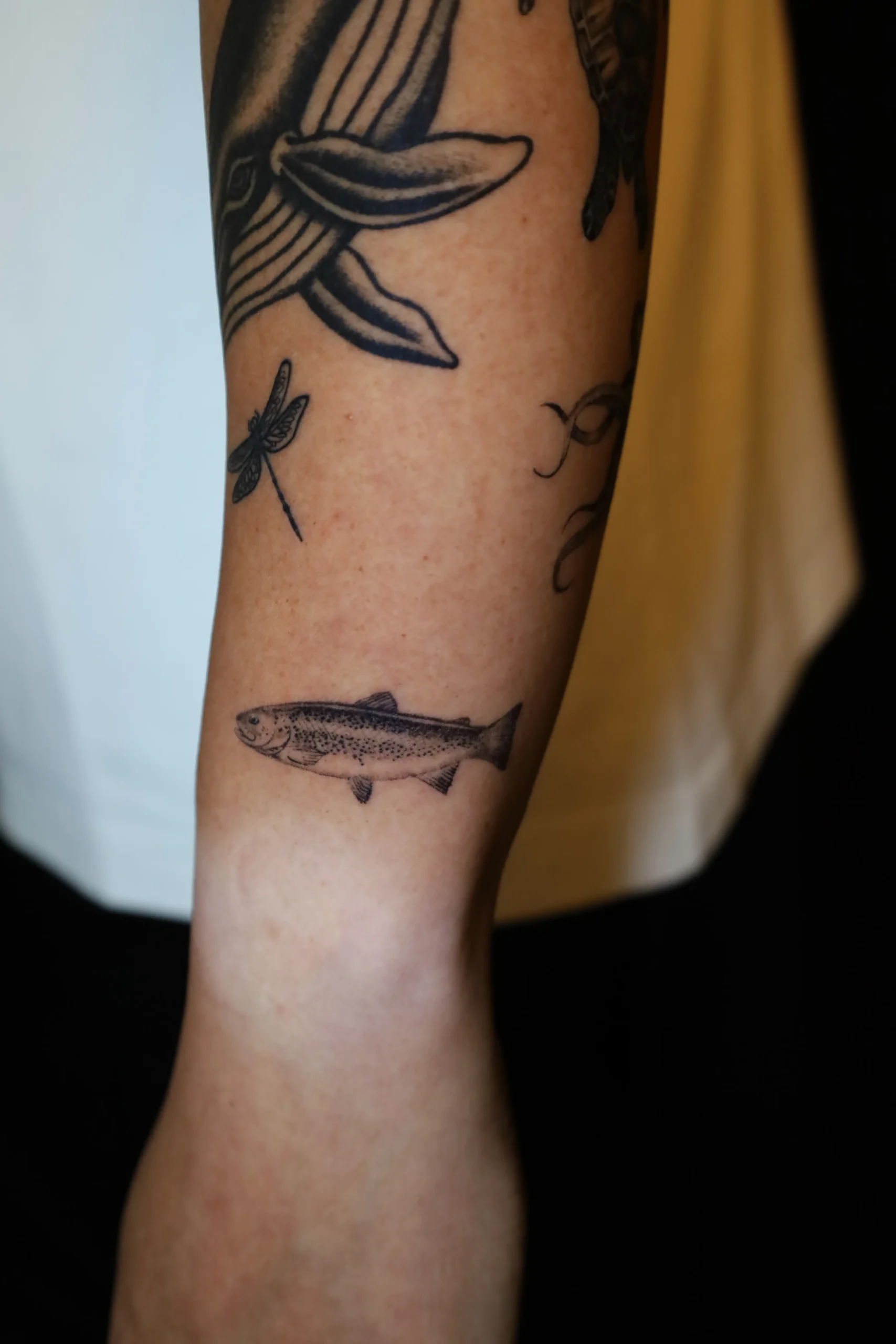
Choosing a tattoo artist is not only about finding an image you like on Instagram. A strong portfolio should help you understand how an artist thinks, how consistently they work, and whether their style suits the tattoo you want. This matters even more when you are planning a permanent piece in a city with many tattoo studios and many different levels of experience.
Fresh tattoo photos can show clean execution and immediate visual impact. Healed tattoo photos can show how the work has settled after the initial healing period. Neither type of image tells the whole story on its own. The most useful portfolio gives you enough evidence to judge the artist’s style, technical control, and consistency across different designs and body placements.
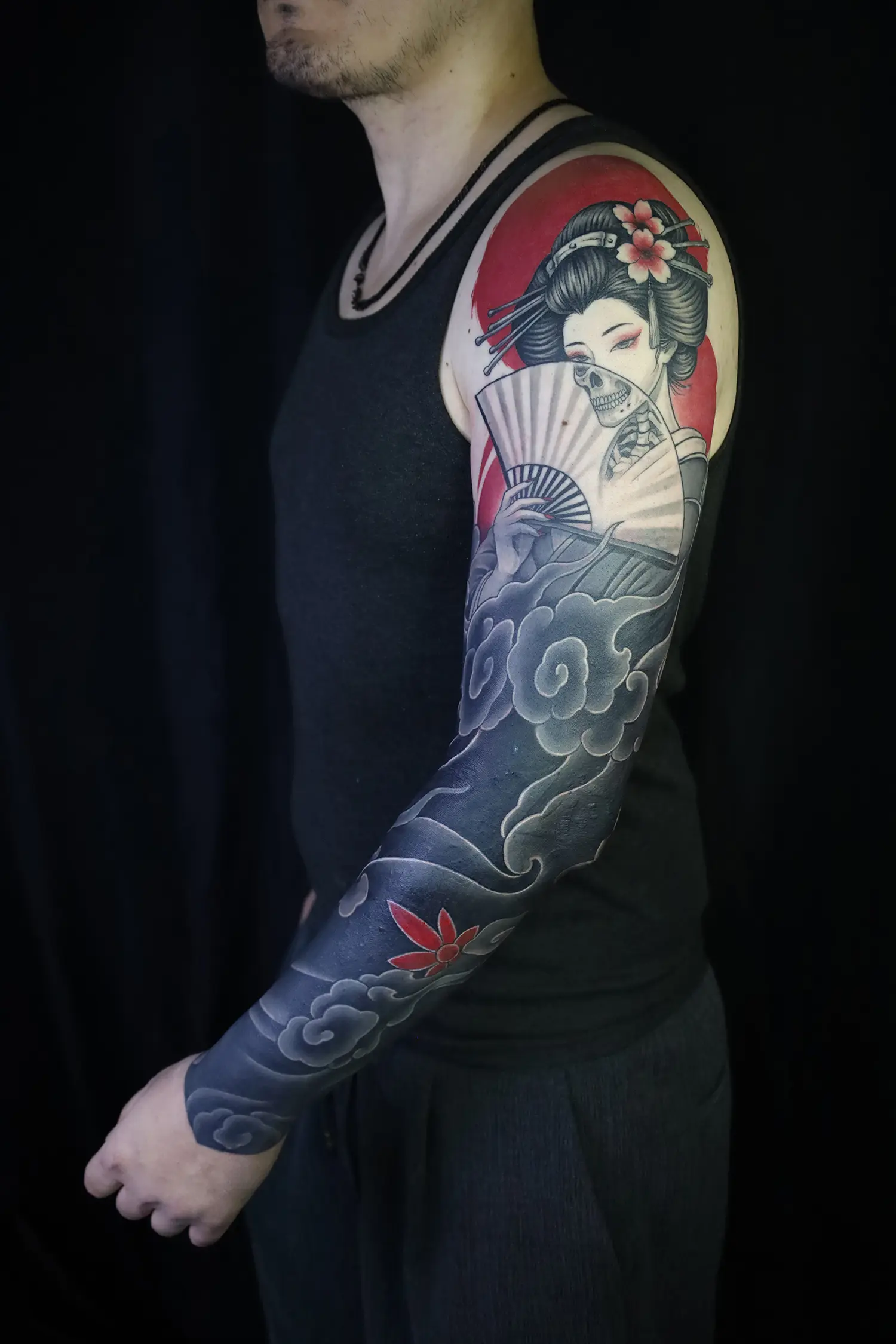
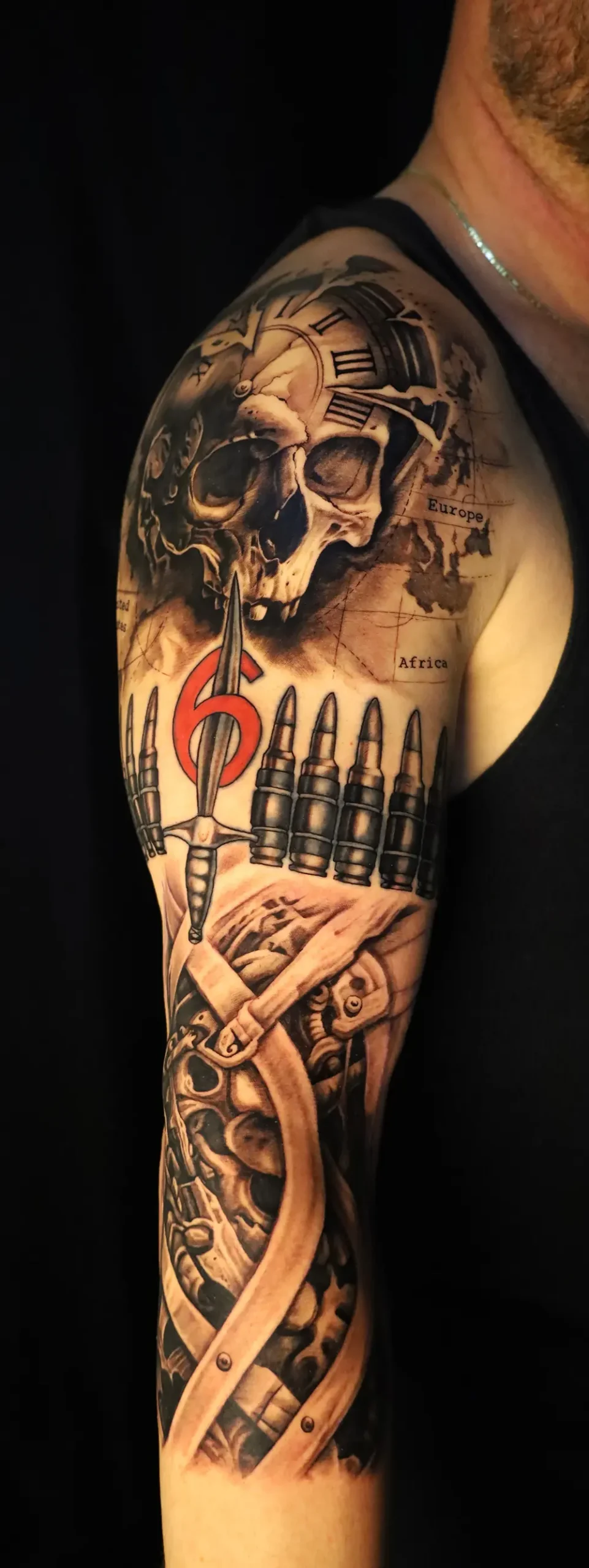
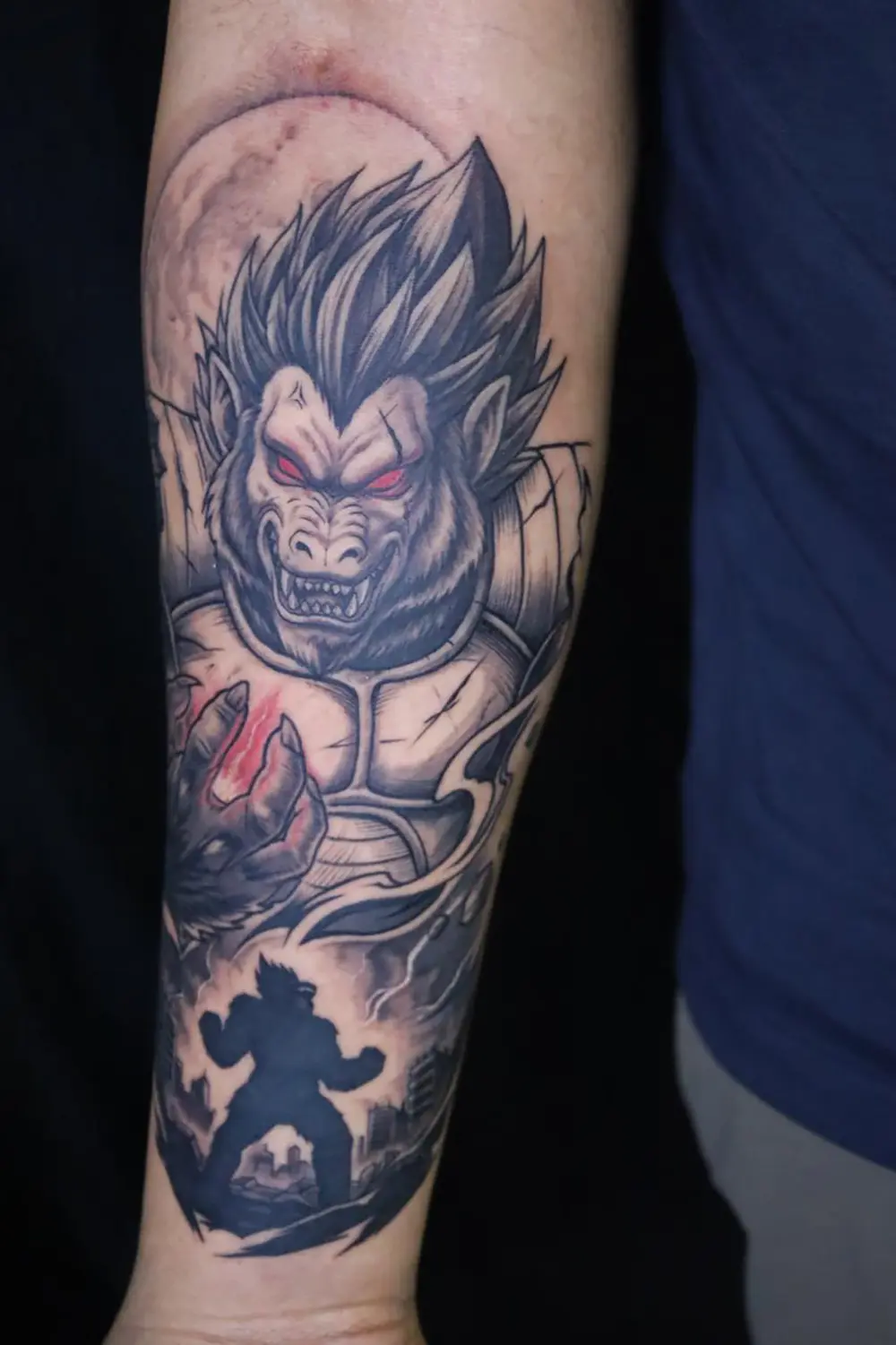
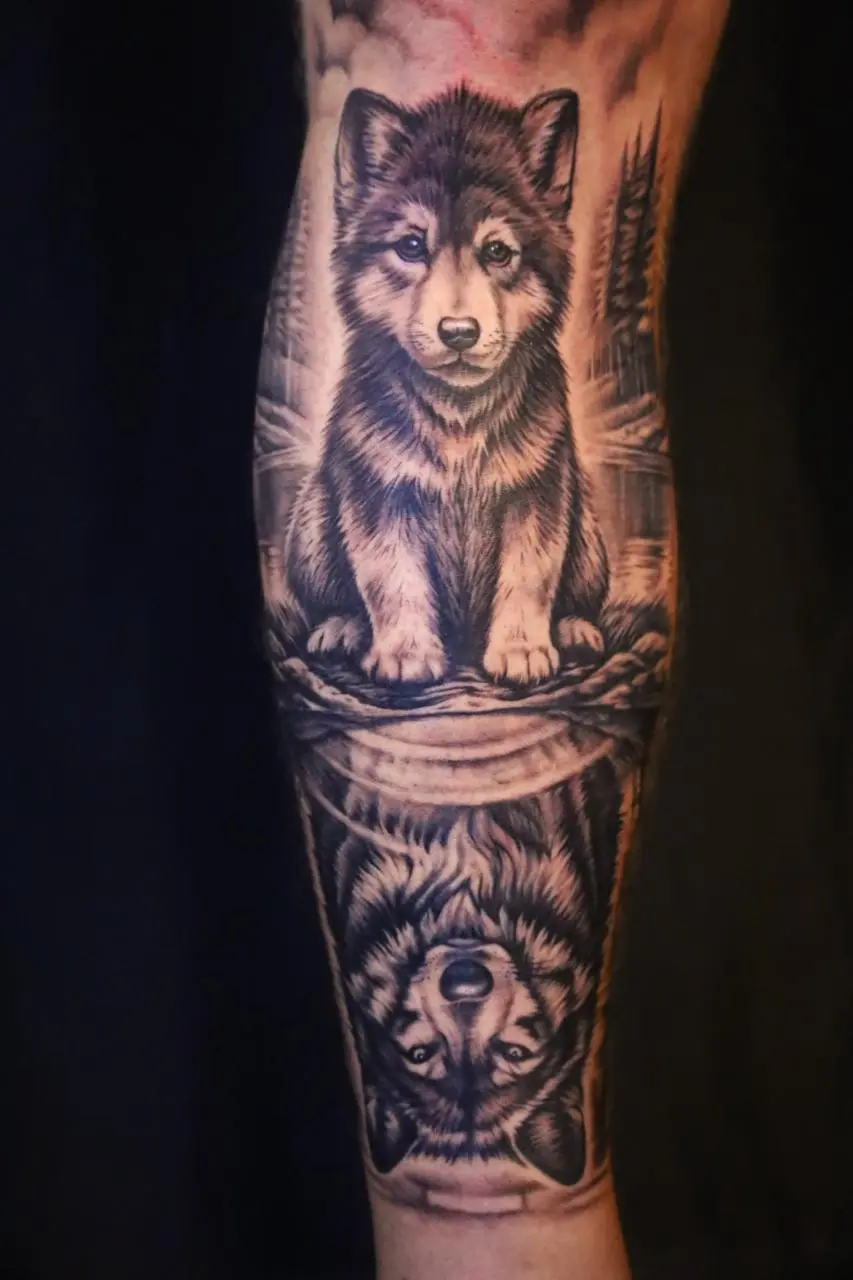
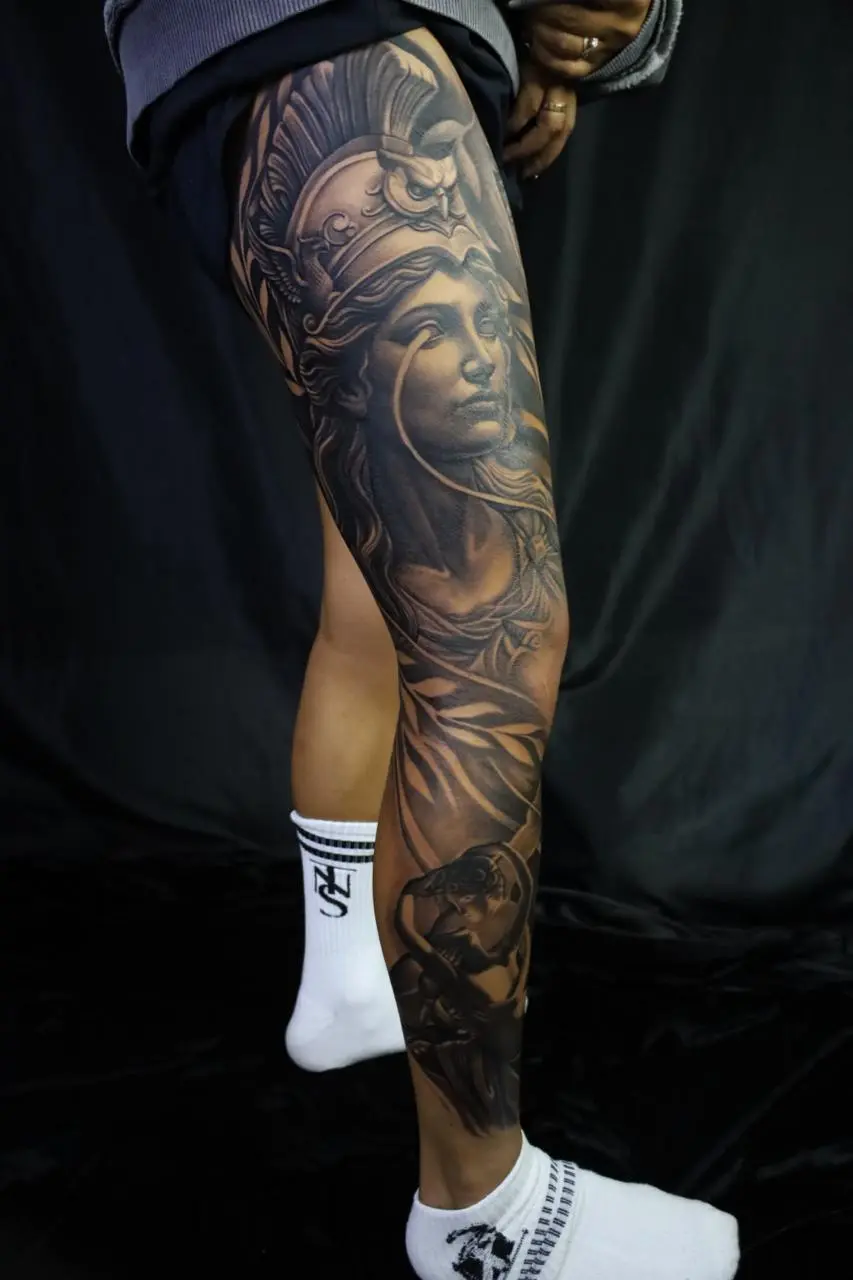
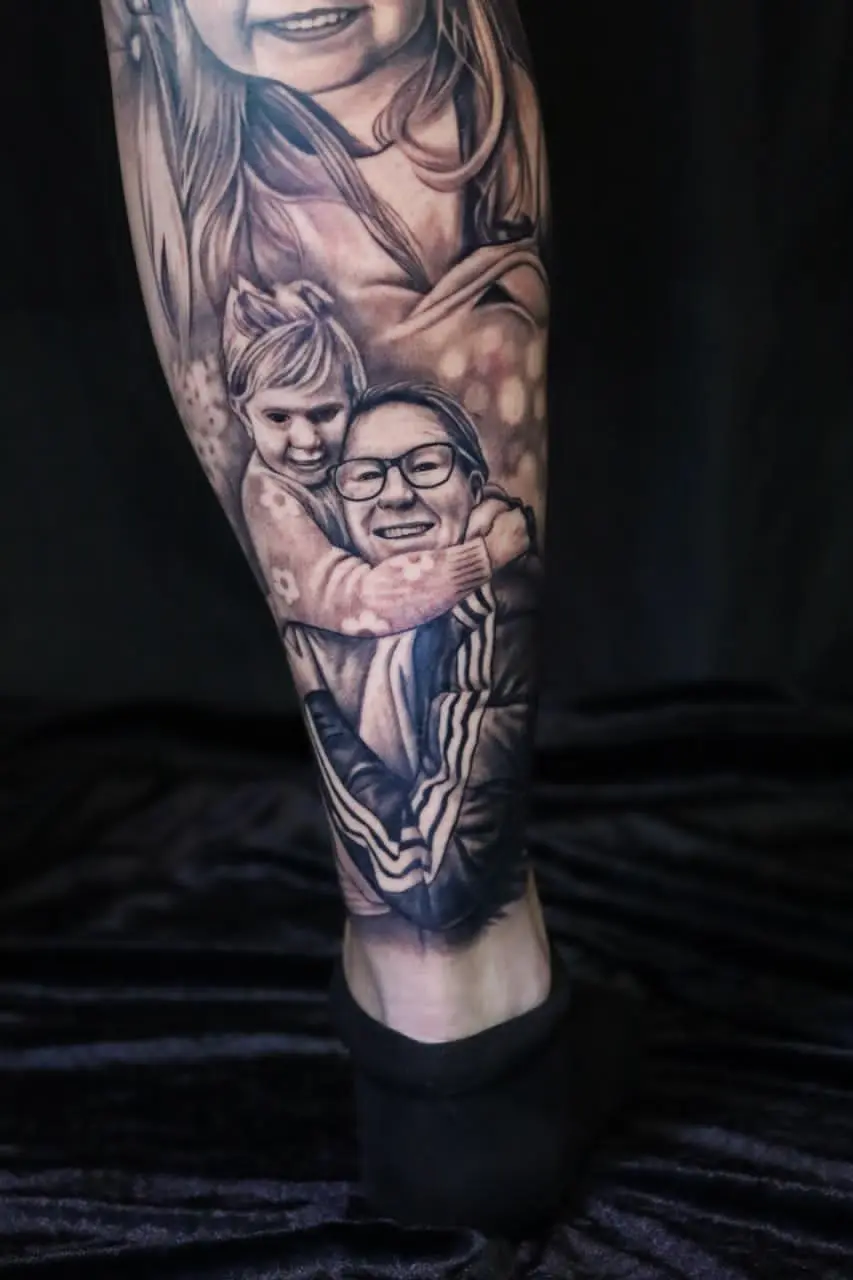
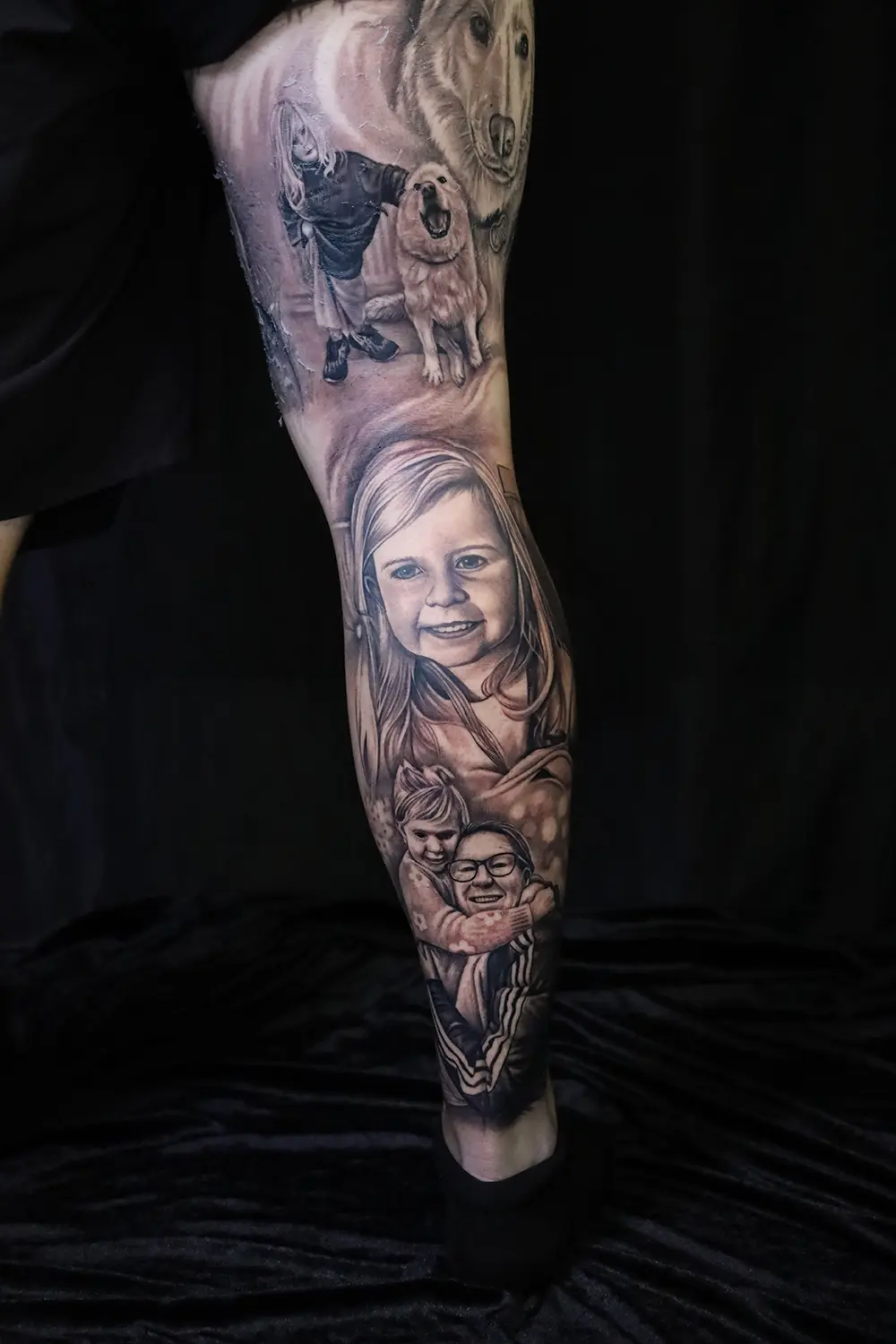
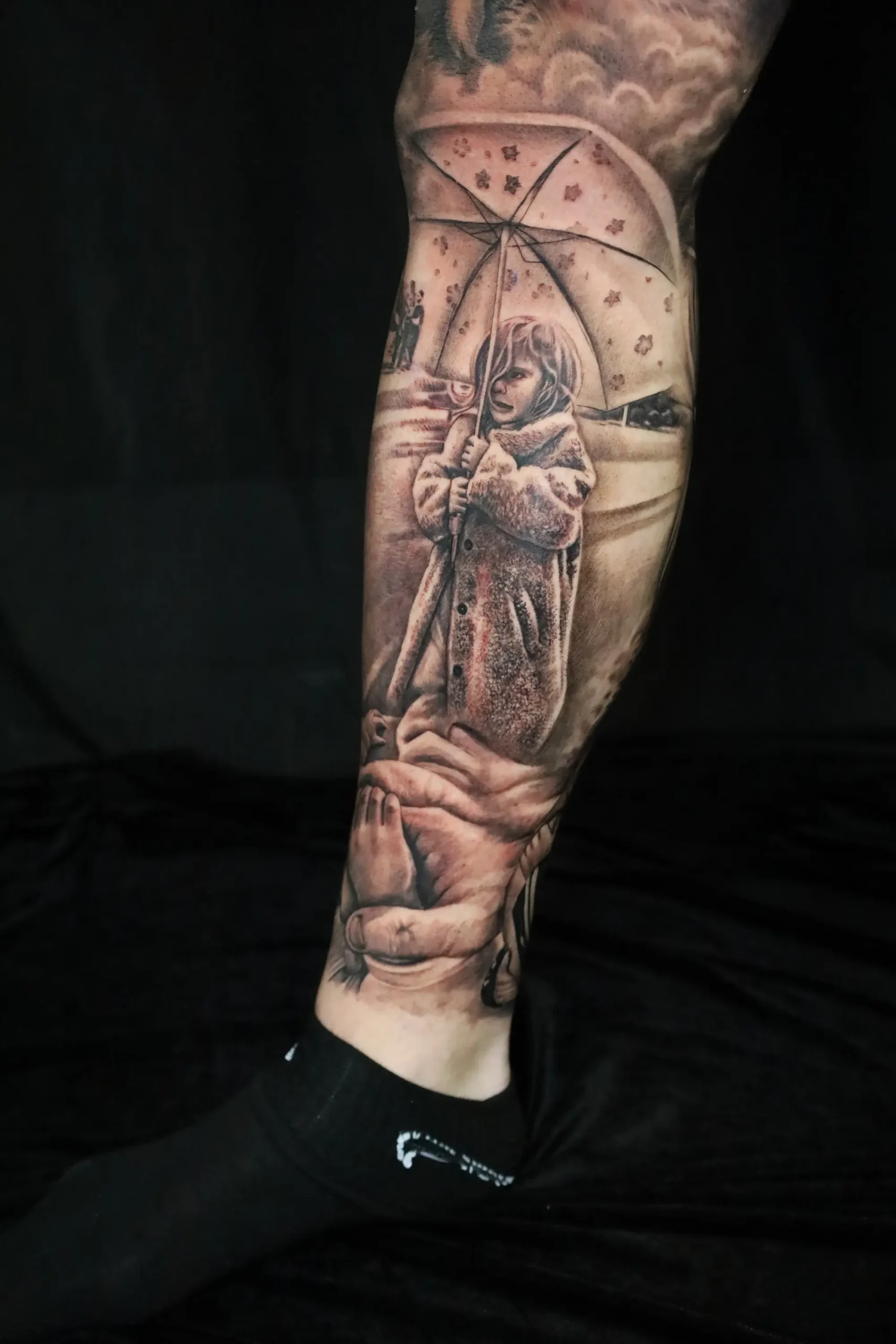
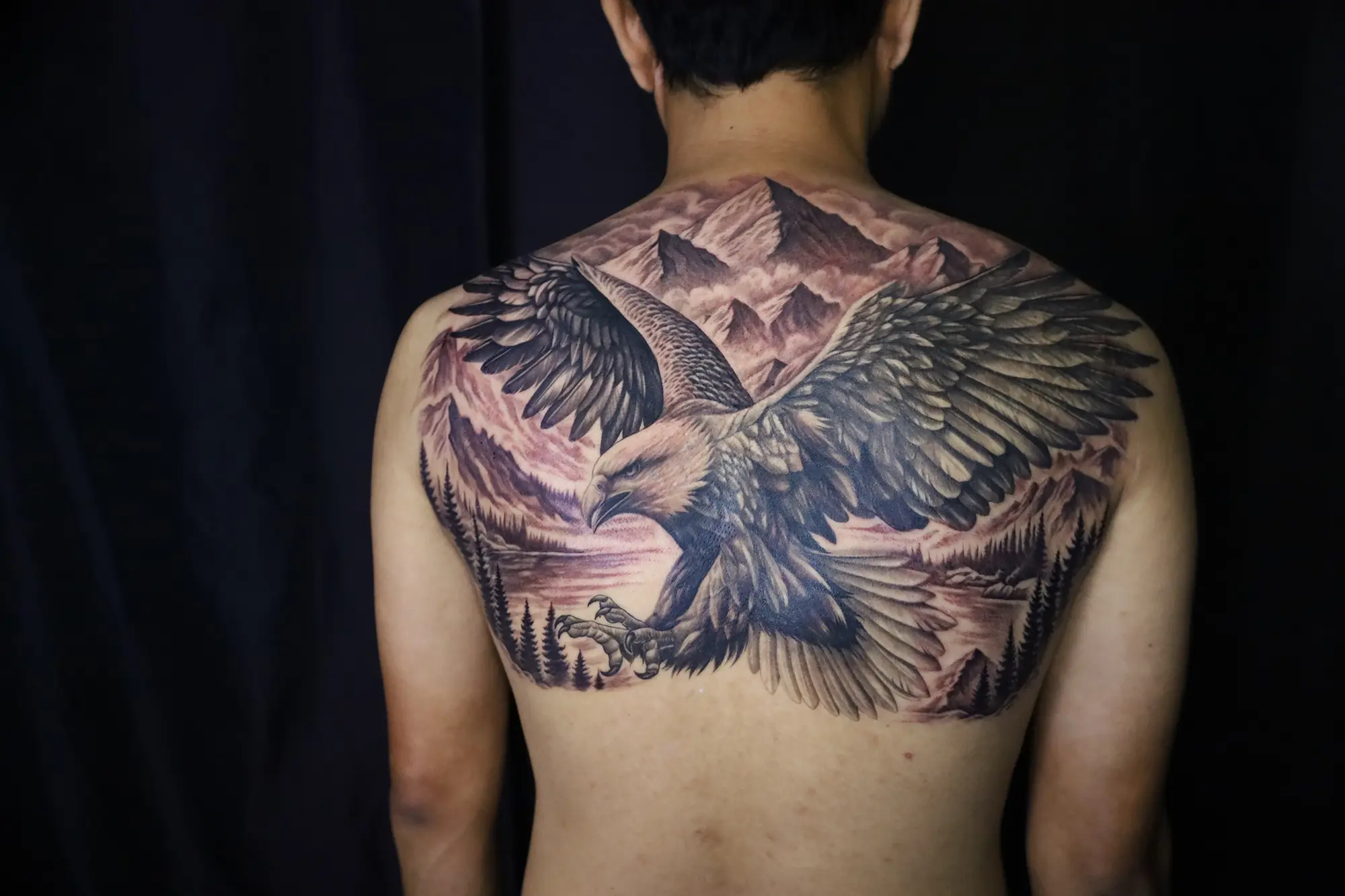
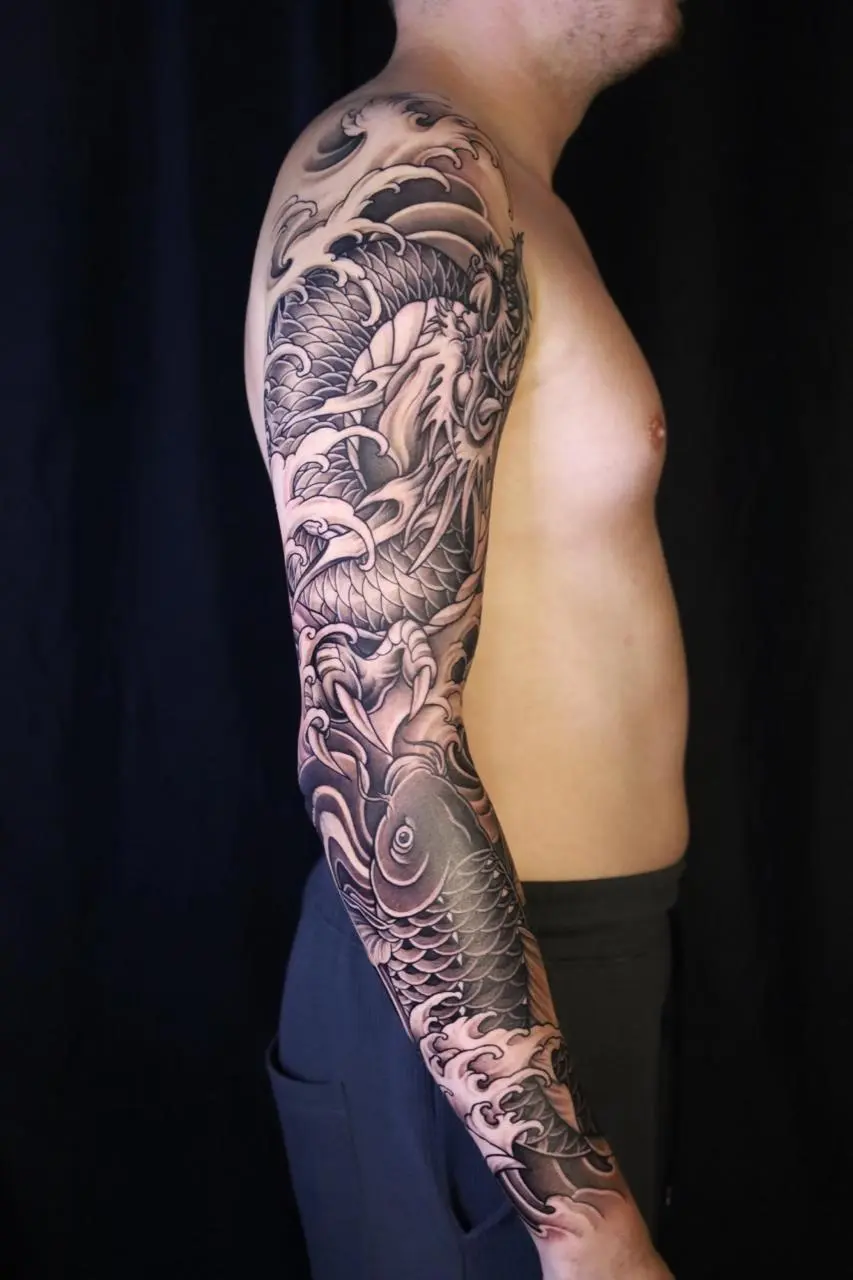
For an arm sleeve tattoo, a leg sleeve tattoo, or a full-back tattoo, the portfolio should also demonstrate long-range planning. Look for work that remains balanced across the complete body area, connects naturally around joints and curves, and maintains consistent quality from the first session to the finished and healed result.
If you are searching for a tattoo artist in Bangkok, use the following guide to look beyond the first impression and choose with more confidence.
Why Fresh Tattoo Photos Do Not Tell the Whole Story
A fresh tattoo is usually photographed immediately after the session, when the lines and colours appear at their strongest. It is useful for seeing the artist’s precision, the overall composition, and how the piece sits on the body. However, the skin may also look slightly red, raised, reflective, or darker than it will once the tattoo has settled.
This does not make fresh photos misleading. It simply means they show one stage of the work. A professional portfolio should help you separate the immediate result from the longer-term appearance. When possible, look for healed examples of similar styles, especially if your tattoo depends on delicate lines, smooth shading, subtle colour transitions, or a large amount of detail.
How to Read a Tattoo Portfolio Properly
Does the artist's style match your idea?
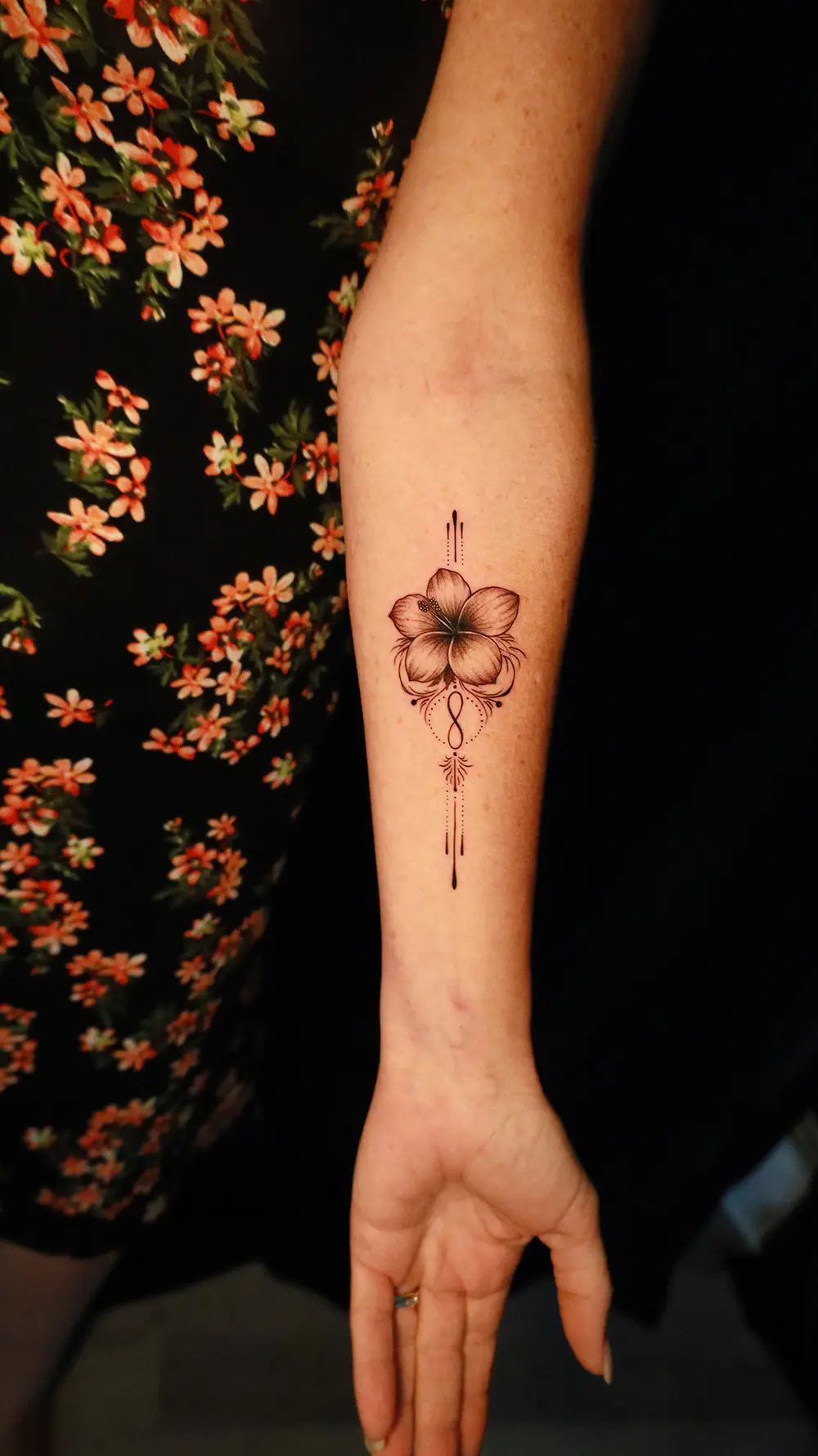
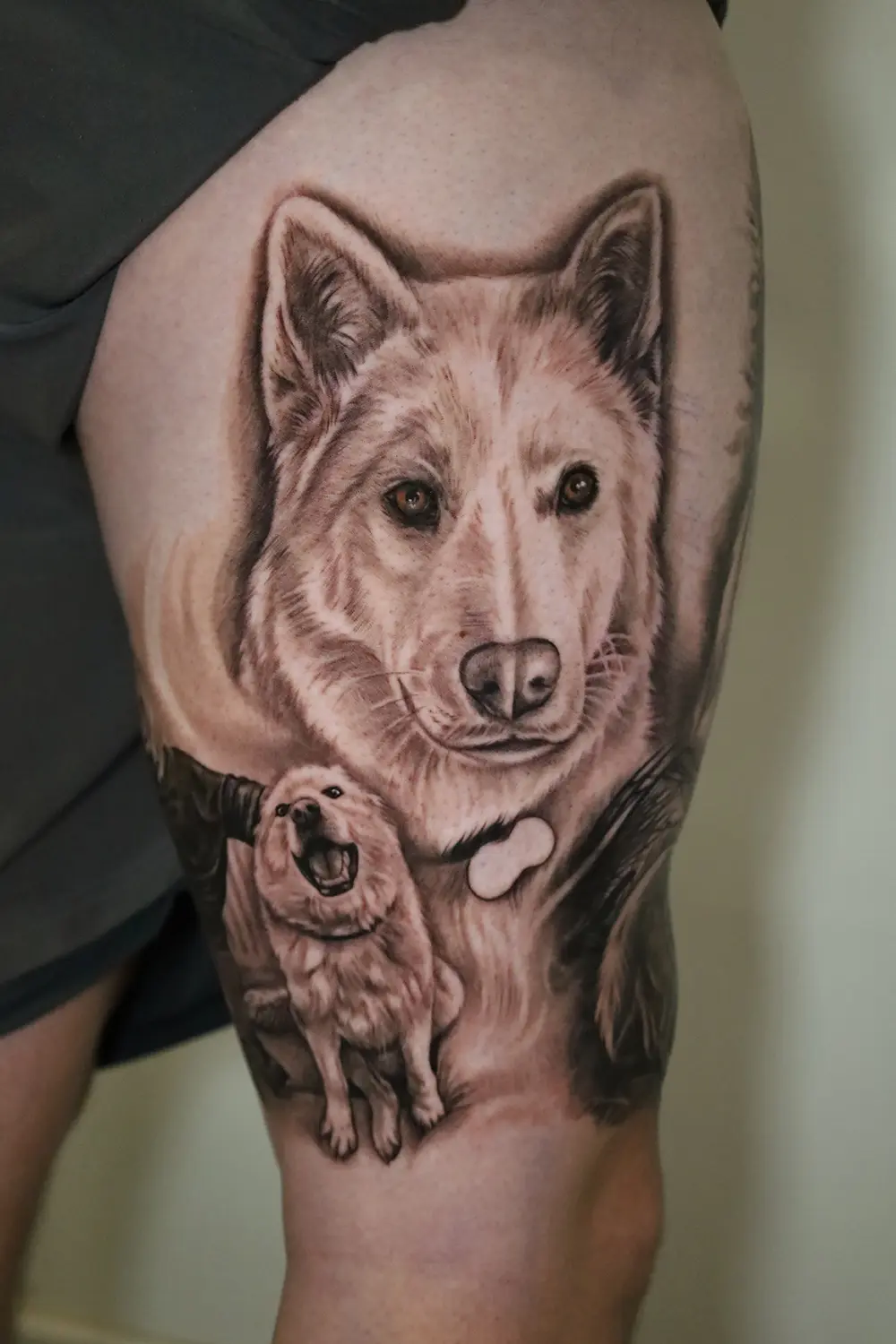
An artist can be highly skilled and still be the wrong match for your concept. Realism, fine line, Japanese, Polynesian, colour, minimalist, script, cover-up, and large-scale tattoos require different visual strengths. Begin by identifying the style closest to your idea, then review artists who regularly work in that direction.
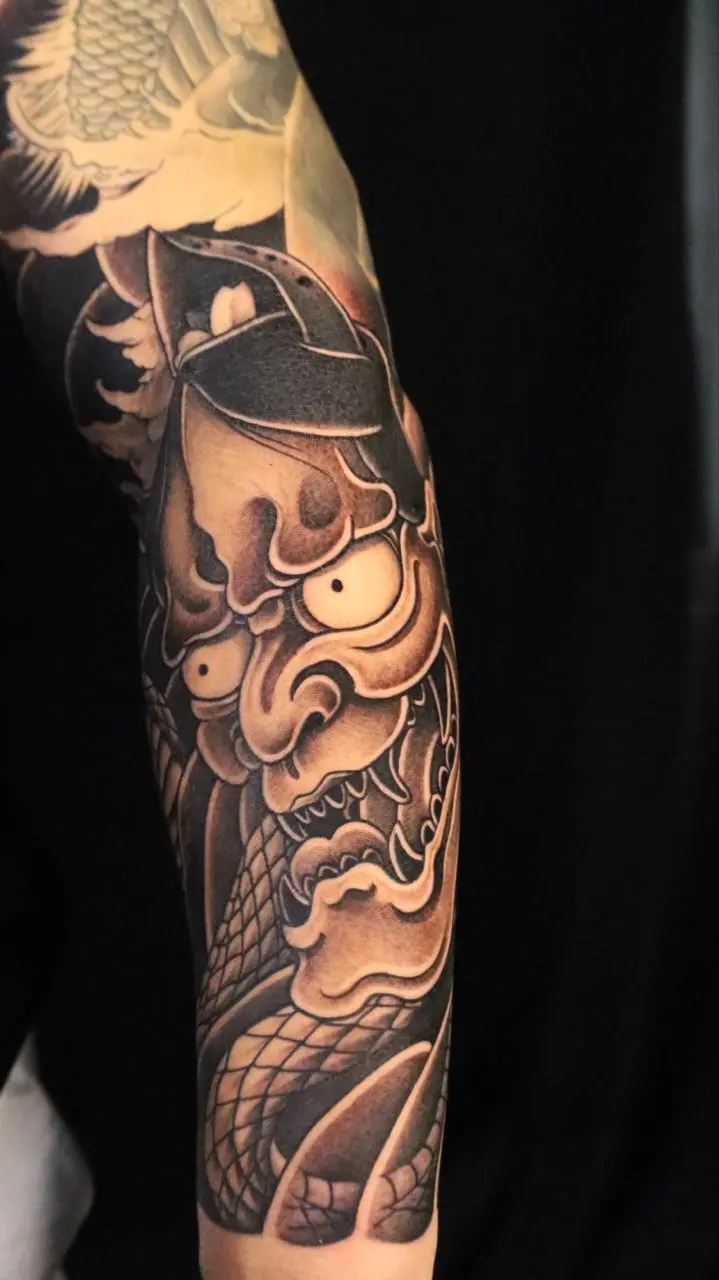
For example, someone known for realistic portraits may not be the best choice for delicate script. An artist who creates strong Japanese sleeves may approach flow and composition differently from someone who specialises in small minimalist pieces. The right match is based on relevance, not only reputation.
Is the quality consistent across several pieces?
Do not decide based on one outstanding post. Review several tattoos from the same artist, preferably across different clients and placements. Look for a consistent level of control. One viral image can attract attention, but a full body of work gives you a better idea of what the artist delivers repeatedly.
Consistency is especially important when reviewing an arm sleeve tattoo, leg sleeve tattoo, full-back tattoo, or other multi-session work. Look for progress images, completed photographs, and healed examples that show the artist can maintain style, line quality, shading, balance, and detail across the entire composition—not only in one strong section.
Are the photos clear, honest, and useful?
Good portfolio photography should make the tattoo easy to evaluate. Natural skin texture, clear focus, balanced lighting, and more than one angle are more useful than heavy filters or extreme colour correction. When fresh and healed images are shown, they should be clearly labelled so you know what you are reviewing.
Also notice whether the photograph shows the tattoo on the body, not only as a tight crop. Placement is part of the design. For an arm sleeve tattoo or leg sleeve tattoo, look for several angles that reveal how the work wraps around the limb and moves across the elbow or knee. For a full-back tattoo, look for a full, straight-on view that shows balance across the shoulders, spine, and waist, supported by closer images of the detail.
Does the design work with the body?
Strong tattoo design considers movement, scale, direction, and the natural shape of the body. Curved areas may require a different composition from flat areas. A large design needs enough space to remain readable, while a small tattoo may need simplified detail.
When reviewing a portfolio, look for pieces that follow the body rather than appearing placed on top of it. A strong arm sleeve tattoo should connect the shoulder, upper arm, elbow, forearm, and wrist. A leg sleeve tattoo should work across the thigh, knee, calf, and ankle, while a full-back tattoo should use the shoulder blades, spine, waist, and natural symmetry intentionally. This body-aware planning is especially important for Japanese work, Polynesian patterns, realism, colour, and any tattoo intended to connect with existing work.
Can the artist explain the choices behind the work?
A portfolio shows the result, but a consultation helps you understand the thinking behind it. A professional artist or consultation team should be able to explain why a design needs a certain size, why a placement may need adjustment, and how reference images can be translated into an original tattoo.
Clear explanations are a positive sign. They show that the process is based on design judgment and client care, not only on accepting every request exactly as it arrives.
What to Look For in Different Tattoo Styles
Fine line, minimalist, and script
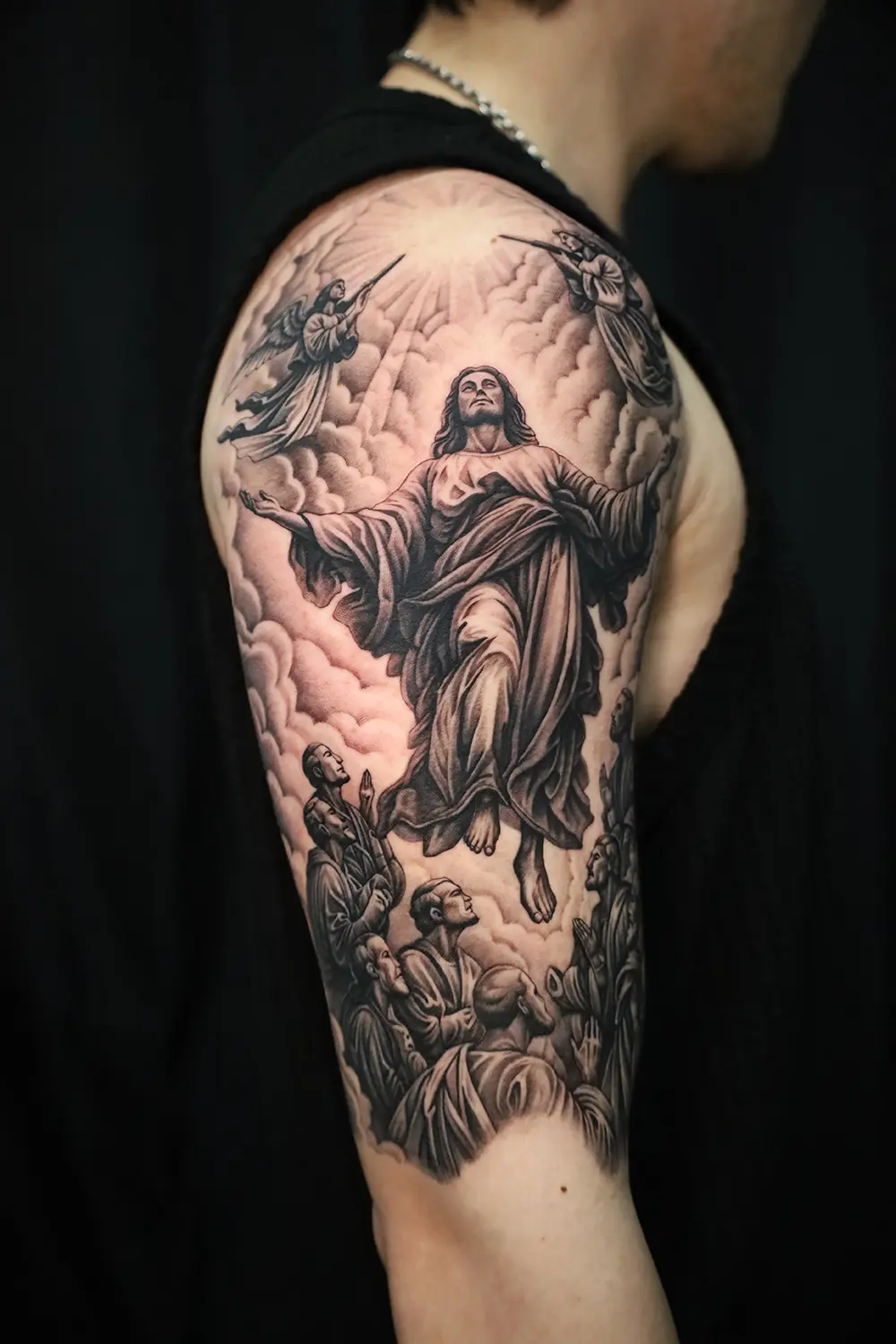
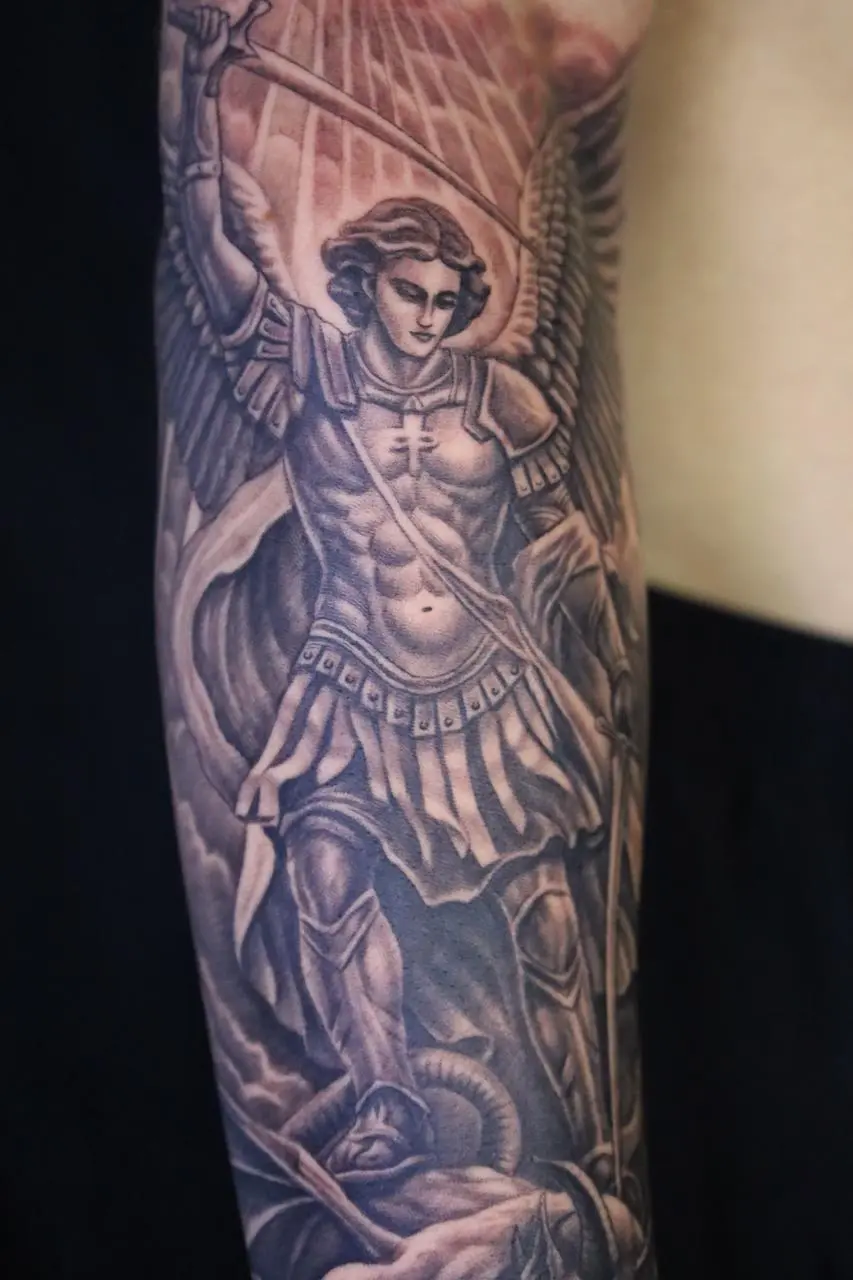
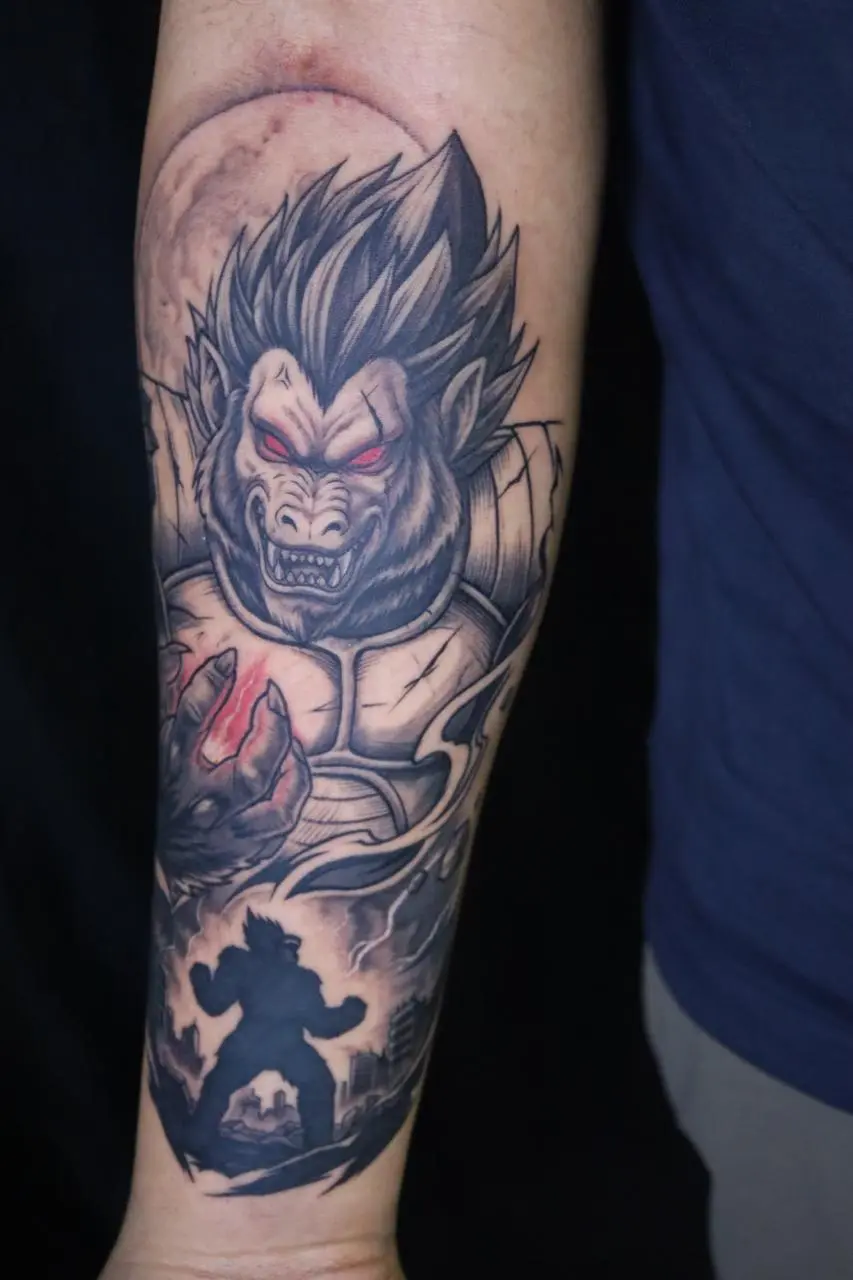
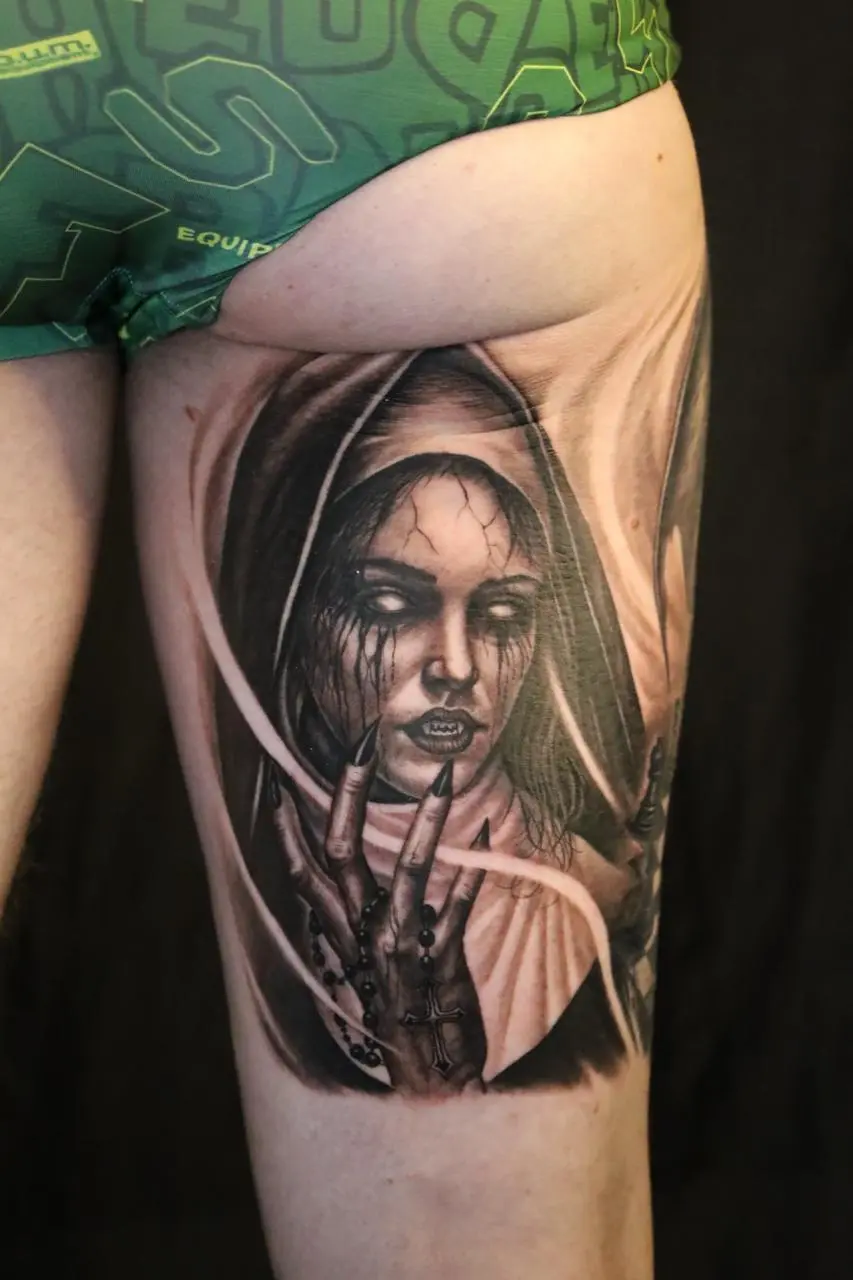
Realism and black-and-grey work
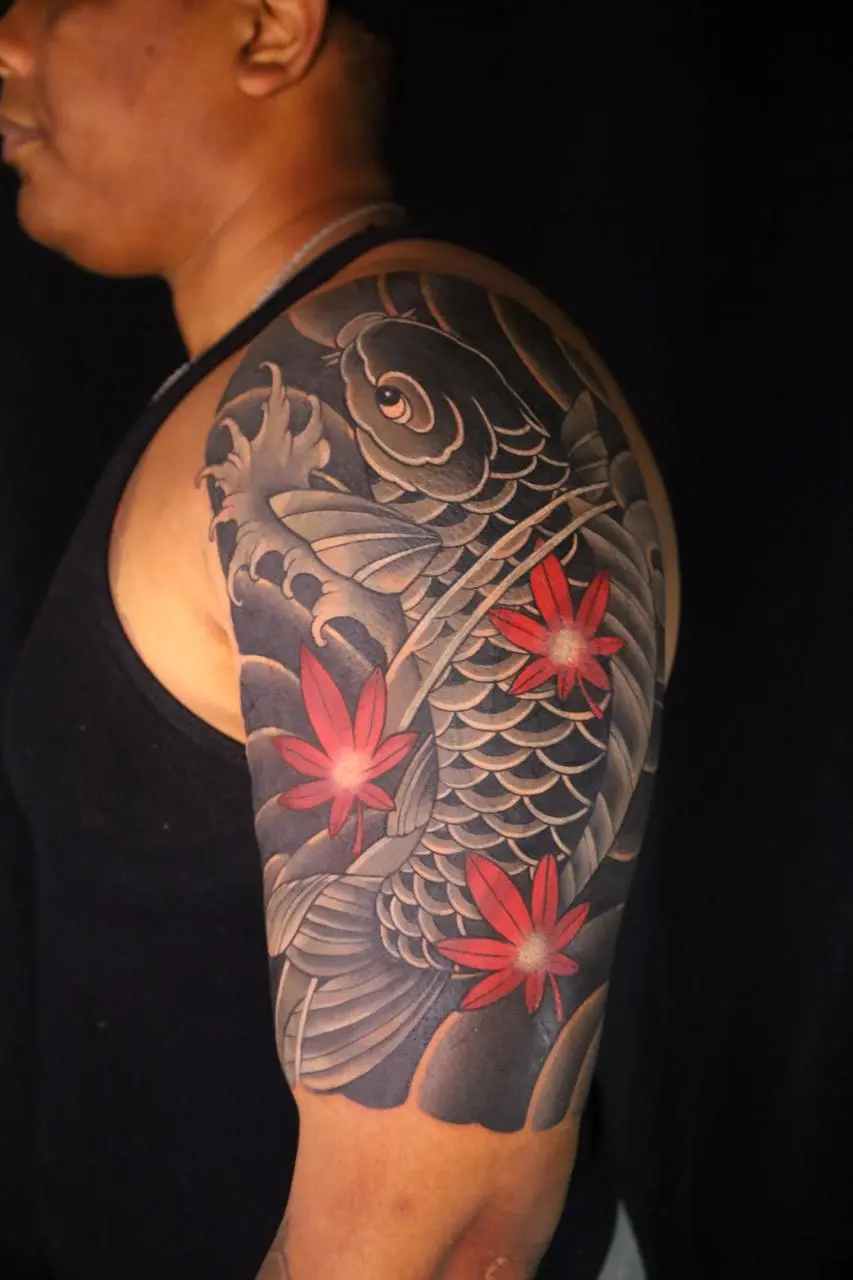
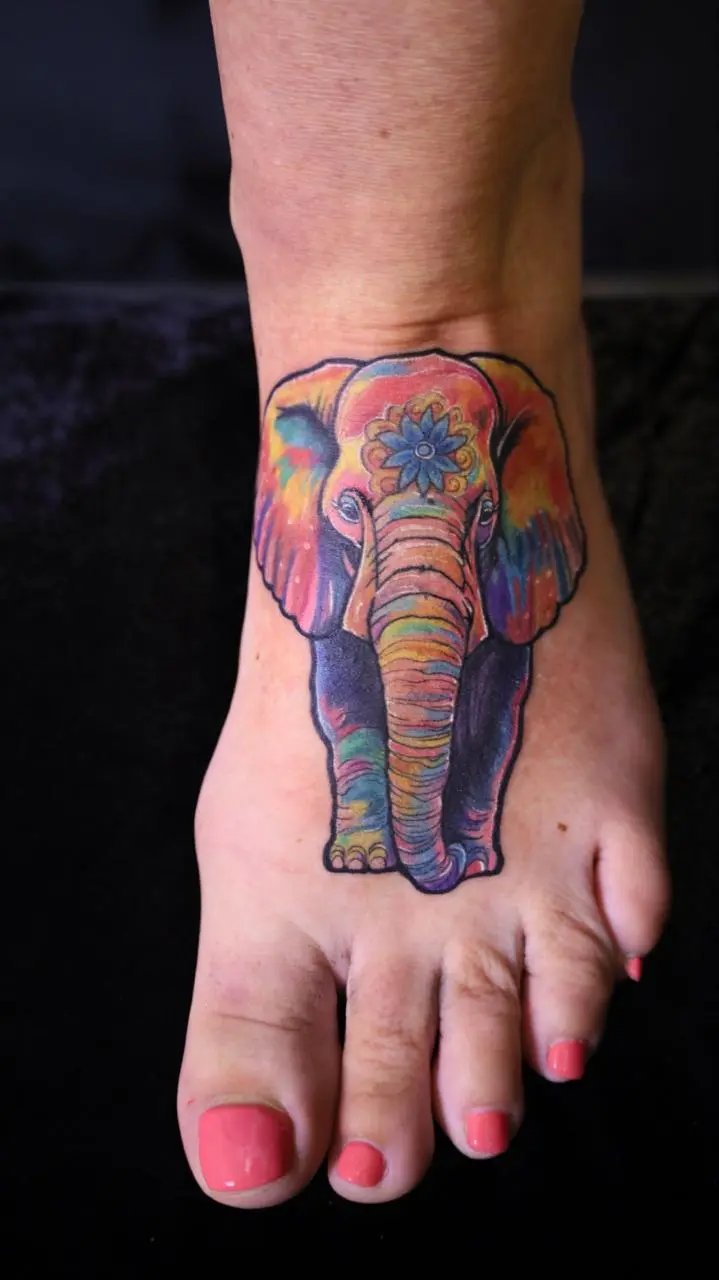
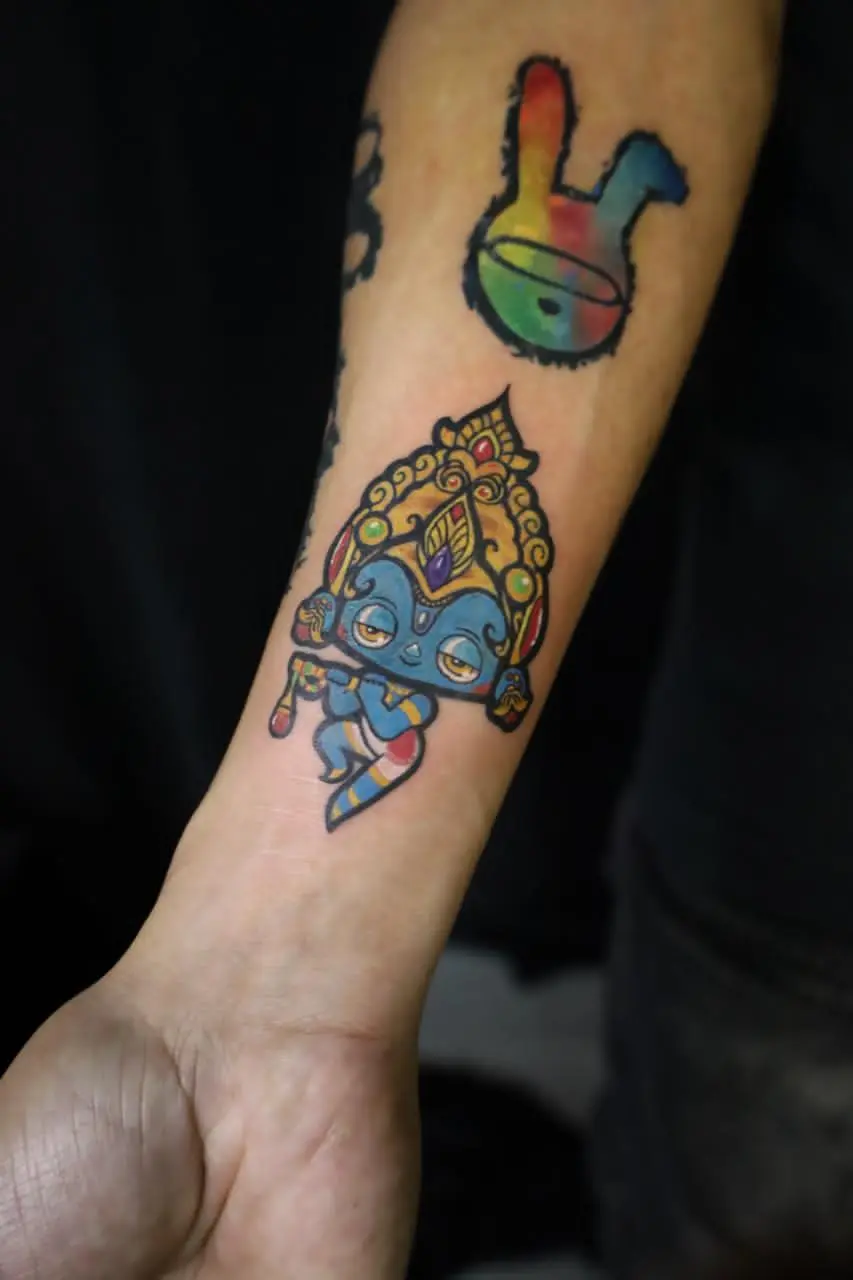
Colour tattoos
Arm Sleeve Tattoos
Leg Sleeve Tattoos
Full-Back Tattoos
A full-back tattoo should be evaluated as a single large composition. Look for balance across the shoulder blades, a clear relationship to the spine and waist, purposeful main and supporting elements, and enough contrast and negative space. For a multi-session full-back tattoo, compare progress, completed, and healed photographs whenever they are available.
Cover-ups and tattoos over scars
Portfolio Red Flags to Notice
Be cautious if a portfolio shows only a few highly edited images, if the work changes dramatically from post to post without clear artist attribution, or if there are no examples related to the style you are requesting. You should also feel comfortable asking which artist created each piece and whether an image shows fresh or healed work.
Price should not be the only conversation. Size, placement, detail, style, and artist selection all affect the quality and cost of a tattoo. A studio that asks thoughtful questions before quoting is taking the design seriously.
Questions to Ask During Your Consultation
Ask whether you can see healed examples in your preferred style. Ask which artist is the strongest match for your idea and why. Discuss the minimum size needed for the detail, how the design will sit on the body, and whether your reference images point to one clear style or several different directions.
If you are considering an arm sleeve tattoo, leg sleeve tattoo, or full-back tattoo, ask to see comparable large-scale work from the recommended artist. Ask how the master composition will be planned, how major elements will connect, how the work will be divided across sessions, and how existing tattoos may affect the design. Good questions help both you and the studio create a clearer brief.
Choosing an Artist at PUREink. Tattoo Bangkok
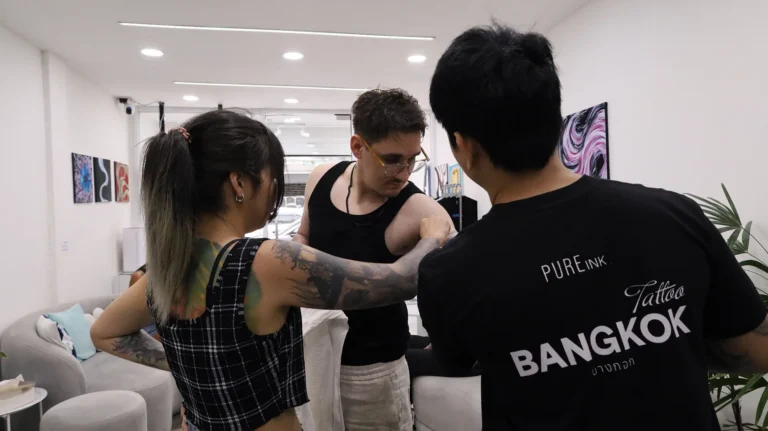
PUREink. Tattoo Bangkok works across a wide range of styles, including realism, Sak Yant, minimalist, colour, Polynesian, Japanese, cover-up, fine line, script, arm sleeve tattoos, leg sleeve tattoos, full-back tattoos, and tattoos over scars. The goal is not to assign every request to the same artist. It is to match each idea—and especially each large, multi-session composition—with an artist whose strengths and portfolio fit the project.
English-speaking consultation support is available to help international clients explain their ideas clearly. Share your references, preferred size, placement, and timing. The team can then recommend a suitable artist and guide you through the consultation, quote, deposit, and appointment process.
Located on Charoen Krung Road in Bang Rak, PUREink. welcomes local clients and visitors who want a professional custom tattoo experience in Bangkok.
Ready to Find the Right Tattoo Artist in Bangkok?
Start by exploring PUREink.’s tattoo portfolio, tattoo styles, and artist profiles. When you are ready, send your idea and reference images through WhatsApp, Instagram, Facebook, or the consultation form. A clear brief makes it easier to recommend the right specialist and prepare an accurate quote.