A strong tattoo idea can lose impact when it is made too small, placed on the wrong body area, or forced into a shape that does not suit the design. Choosing the right size and placement is therefore part of the creative process, not a final decision made after the artwork is finished.
The best placement balances the subject, detail, body shape, visibility, and your long-term plans. A professional artist can adapt the composition after seeing the actual area and understanding how you want the tattoo to look from different angles.
Start with the detail the design needs
Every design needs enough space for its important lines, shapes, shading, and negative space. A simple symbol can remain clear at a smaller size, while a portrait, animal, architectural scene, or layered floral composition usually needs more room.
Making a detailed reference smaller does not simply create a miniature version. Lines move closer together, small features become harder to separate, and the overall image may lose readability. The artist may simplify the concept or recommend a larger canvas.
Small, medium, and large tattoos solve different design problems
Small tattoos
Small tattoos work best when the idea is visually simple. Minimal symbols, initials, dates, short words, or clean linework can be effective when spacing and line weight are appropriate. Avoid packing several focal points into a very limited area.
Medium tattoos
Large tattoos
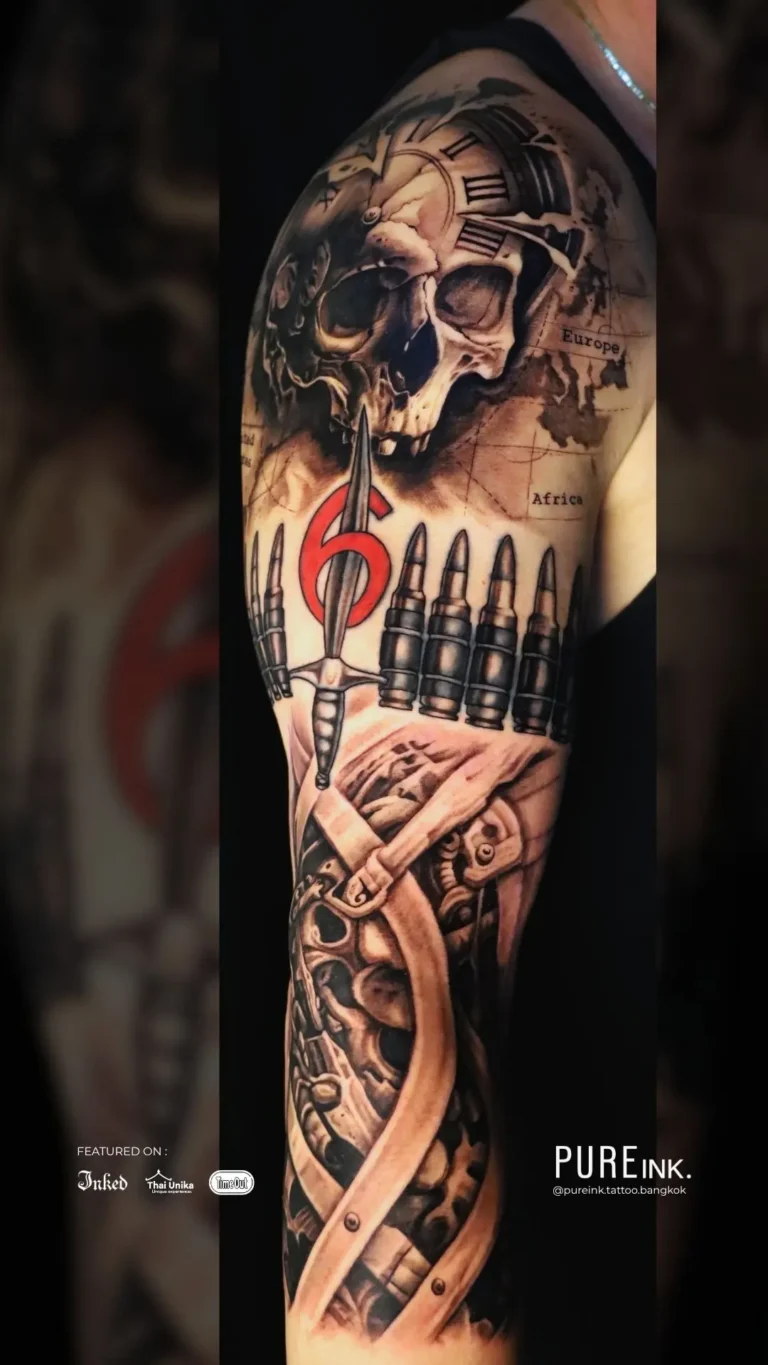
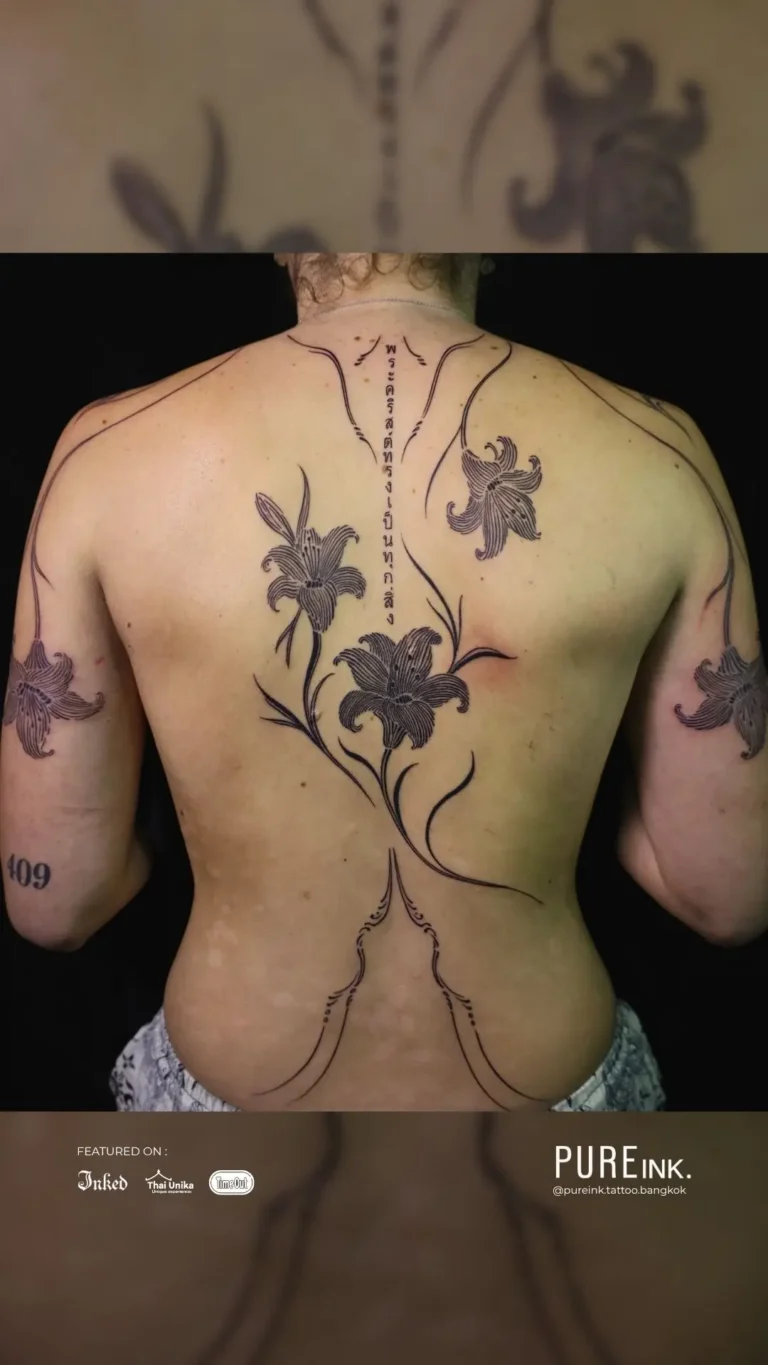
Large work includes substantial thigh, chest, rib, sleeve, leg-sleeve, and back projects. These tattoos require a master composition that considers flow, balance, negative space, and how separate sessions will connect. They should not be planned as enlarged small tattoos.
Match the design shape to the body area
Body areas have different natural shapes. A long vertical design may fit the forearm, calf, spine, or side of the body. A wider composition may suit the upper back, chest, thigh, or shoulder blade. Circular and compact designs may work well on areas with a clear central field.
The artist also considers how the image will be viewed. A forearm tattoo may be seen from the front and side, while an arm or leg sleeve must remain coherent around the complete limb. Back and chest pieces need strong distance readability as well as close detail.
Consider movement and natural body lines
Joints and muscles change shape as the body moves. Elbows, knees, shoulders, wrists, and ankles can influence where focal elements, faces, lettering, and important straight lines should sit. A good composition moves with the body rather than appearing distorted in one common position.
For sleeves and large pieces, the artist plans transitions across these areas. Background, pattern, shading, or negative space may connect the major subjects while protecting the design’s overall rhythm.
Visibility should fit your daily life
Some clients want a tattoo that is easy to show, while others need it covered for work, family, or personal preference. Think about normal clothing, uniforms, formal events, and how often you want to see the tattoo yourself.
Placement also affects how easily you can photograph and monitor the tattoo. This should not decide the location on its own, but it can be part of the discussion when two placements suit the artwork equally well.
Plan around existing tattoos and future work
Show the artist every tattoo near the proposed placement. A new design may need to connect with existing work, preserve deliberate space, or leave room for a future sleeve, back piece, or collection.
If you think you may expand the tattoo later, say so during the consultation. A slightly different position, orientation, or boundary can make future additions easier and prevent disconnected pieces from competing for the same area.
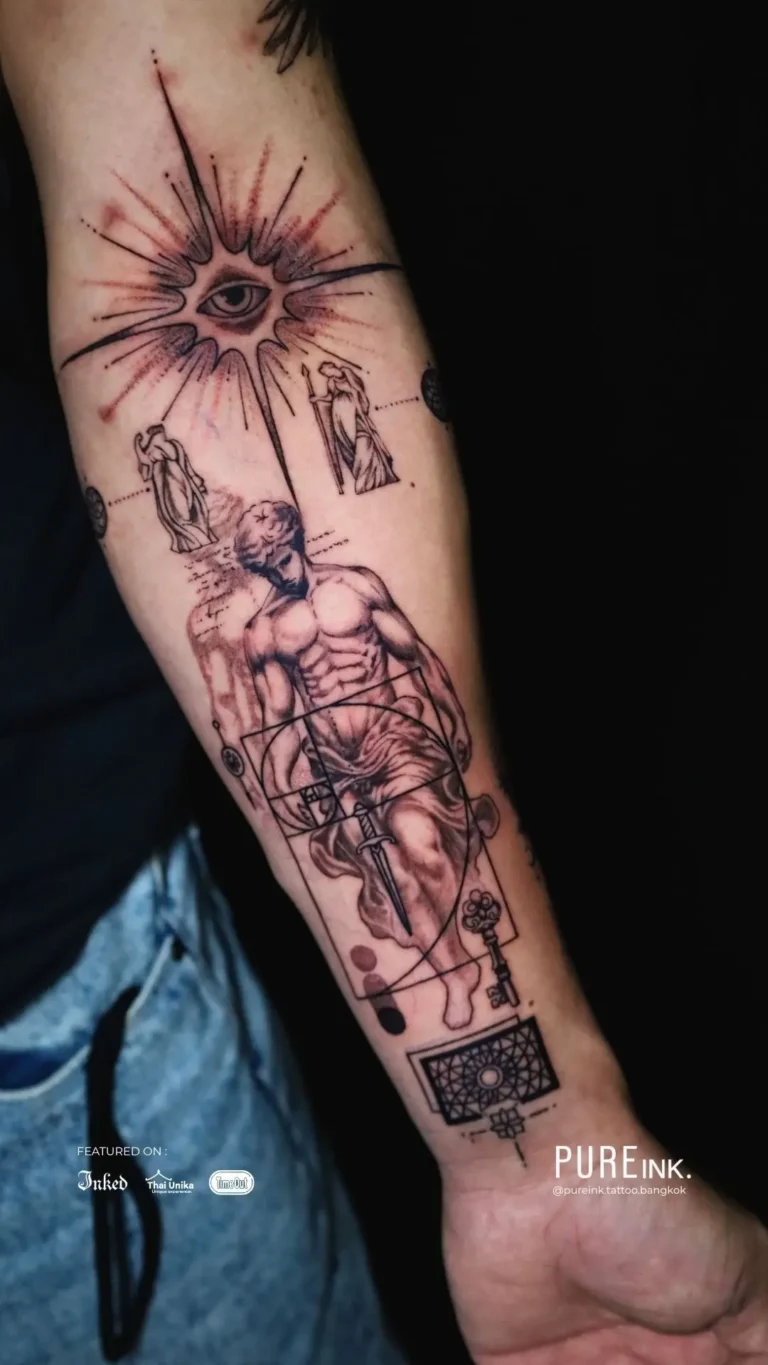
Use the stencil to test size and placement
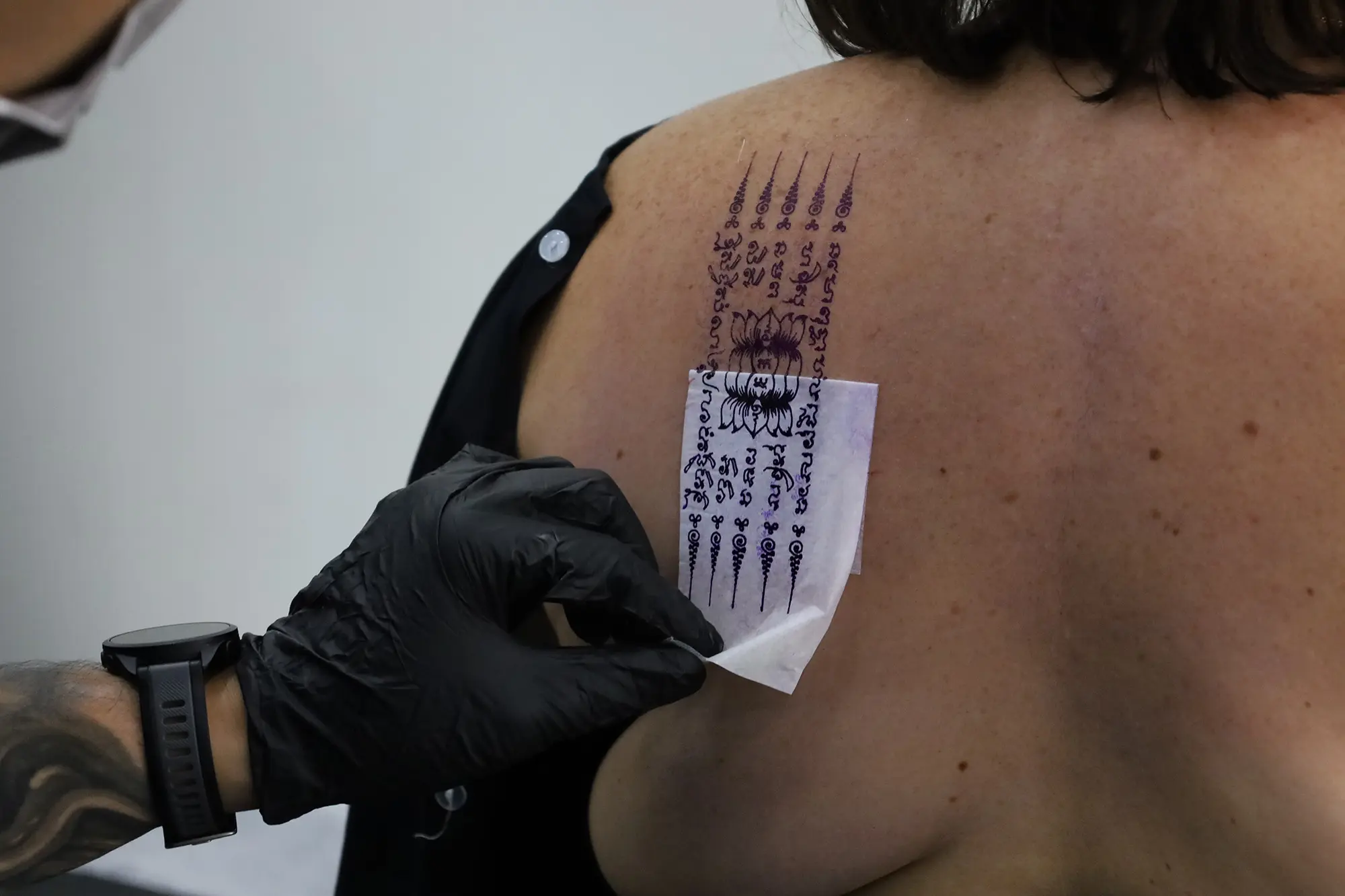
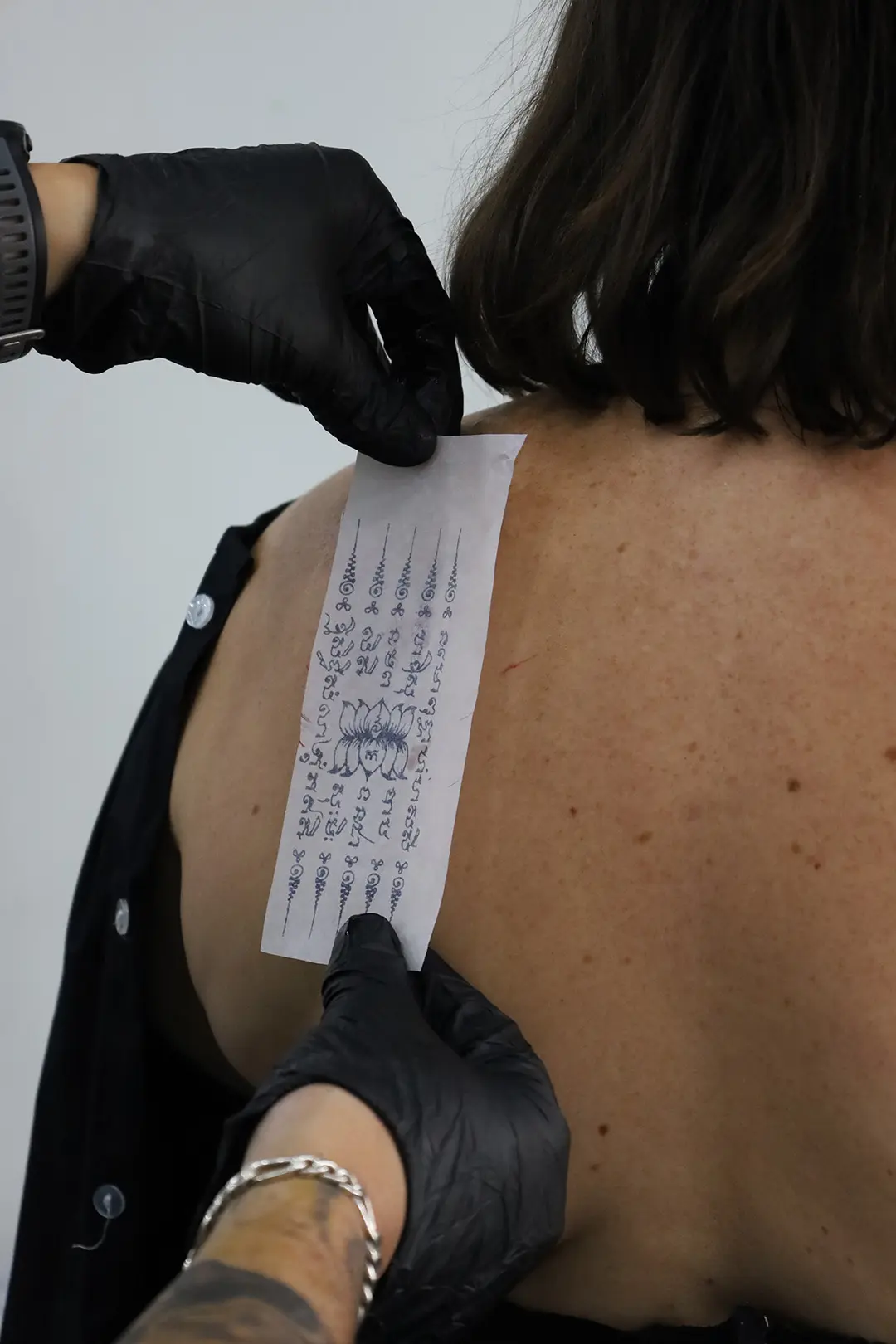
A stencil lets you see how the design sits on your actual body. View it from a normal distance, take photographs from several angles, and move the relevant joint or limb. Do not judge only from a close-up mirror view.
If the design feels too small, crowded, high, low, or off-centre, discuss it before tattooing begins. Minor adjustments are normal. The final placement should be approved by both the client and artist after considering the composition and technical requirements.
What to send for a useful placement consultation
Send the studio:
- A short explanation of the concept and two to five focused references
- Your preferred style and the elements that must remain in the design
- Clear photographs of the proposed body area from relevant angles
- Approximate dimensions or coverage, even if you are open to advice
- Nearby tattoos, scars, marks, and any plan to expand the work later
- Your Bangkok dates and the time available for one or multiple sessions
This information helps the studio recommend an artist and assess whether the current size, placement, and travel plan are realistic. The artist can then refine the design around your actual body rather than a generic online template.
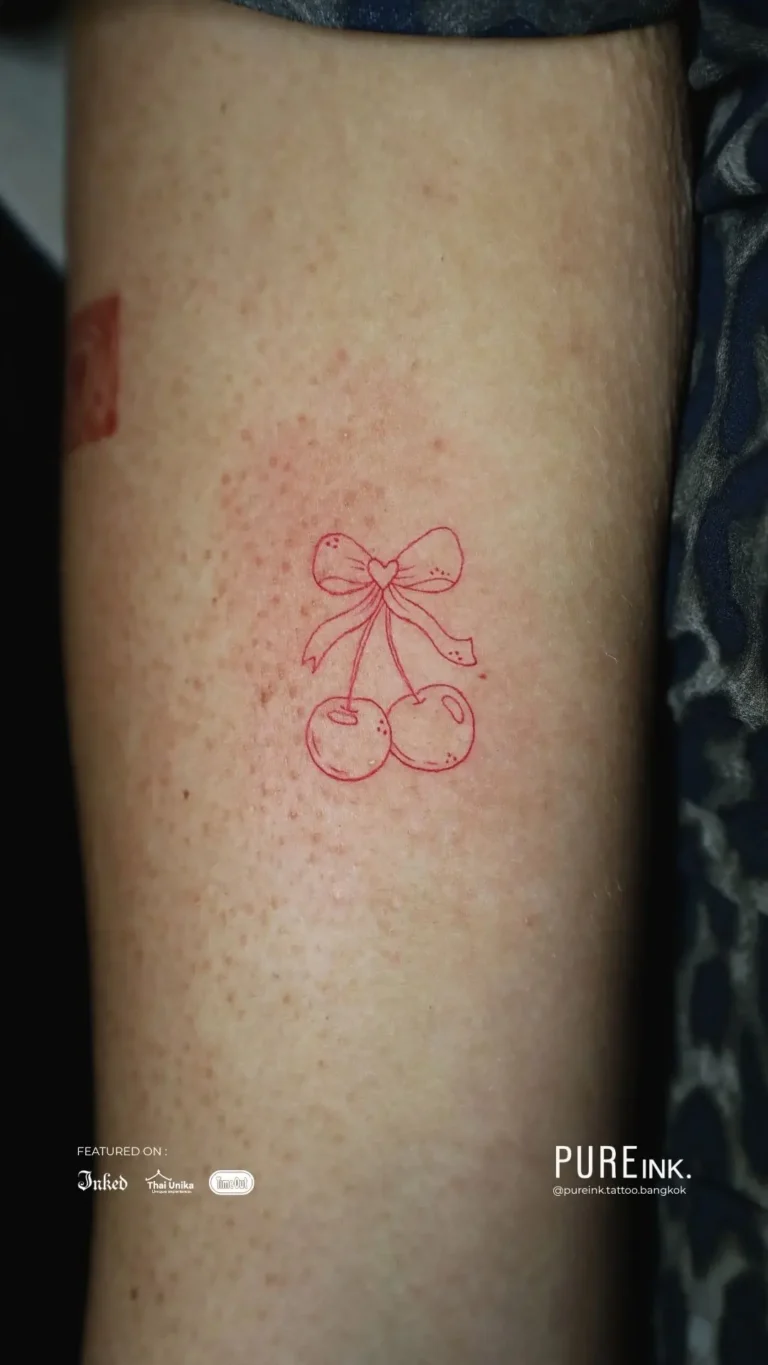
Choose size and placement with PUREink. Bangkok
PUREink. Tattoo Bangkok creates custom tattoos ranging from small, precise work to full arm sleeves, leg sleeves, and full-back pieces. The consultation team can review your concept, body-area photographs, preferred visibility, and future plans before recommending the right artist.
Send your idea, references, placement photographs, approximate size, travel dates, and artist preference through WhatsApp, Instagram, Facebook, or the online consultation form. The goal is not to fit a design anywhere; it is to build a design that belongs on the chosen part of your body.