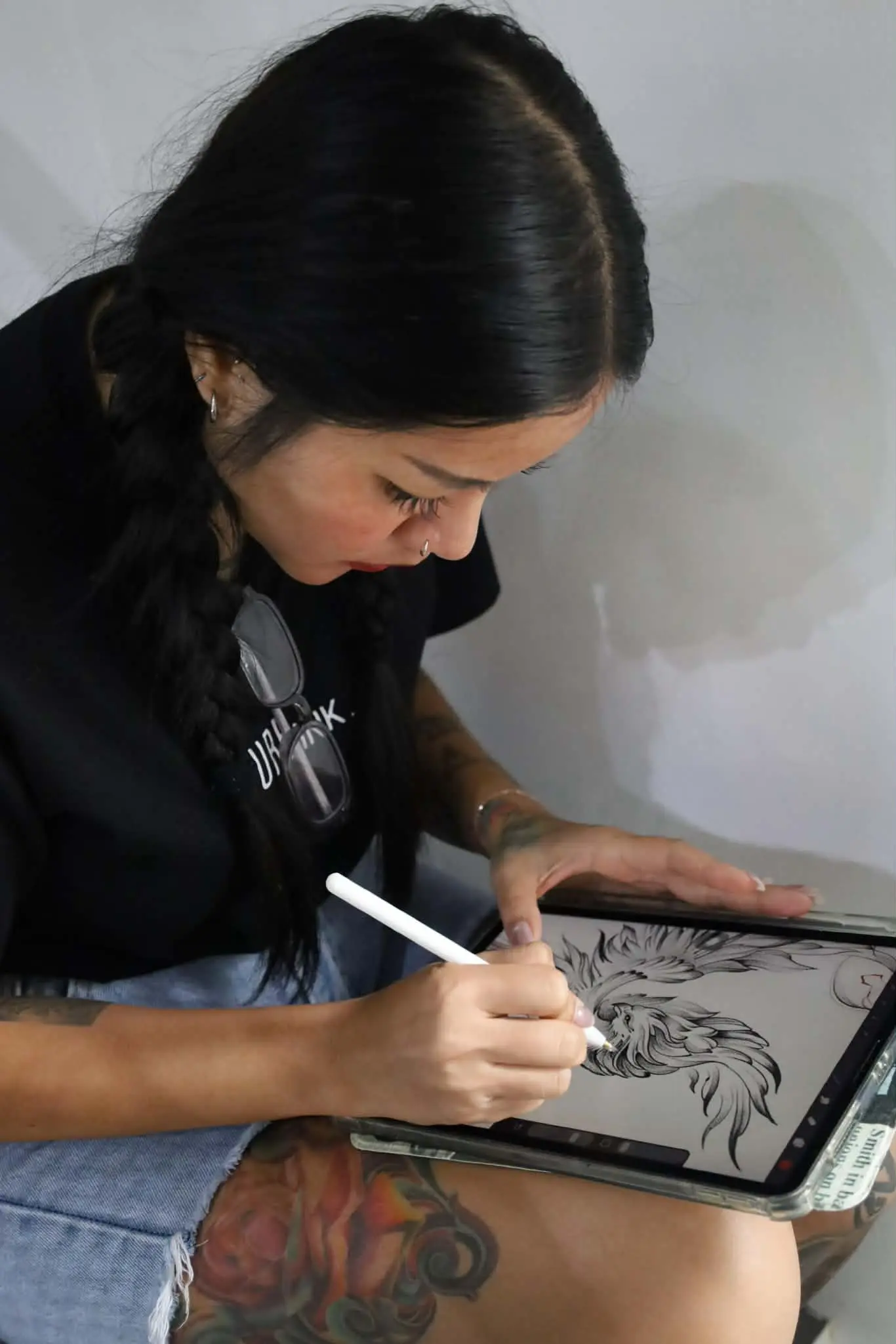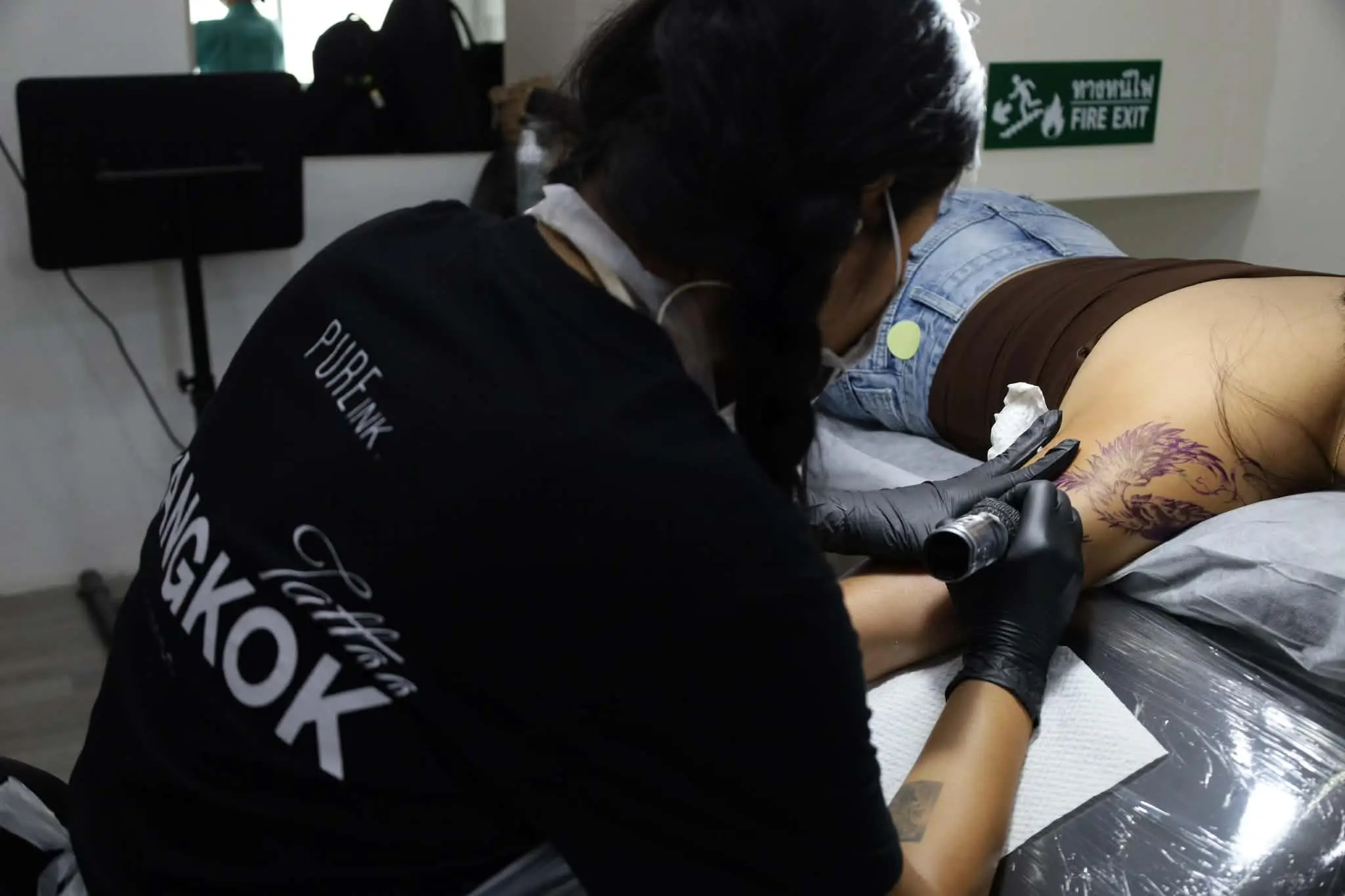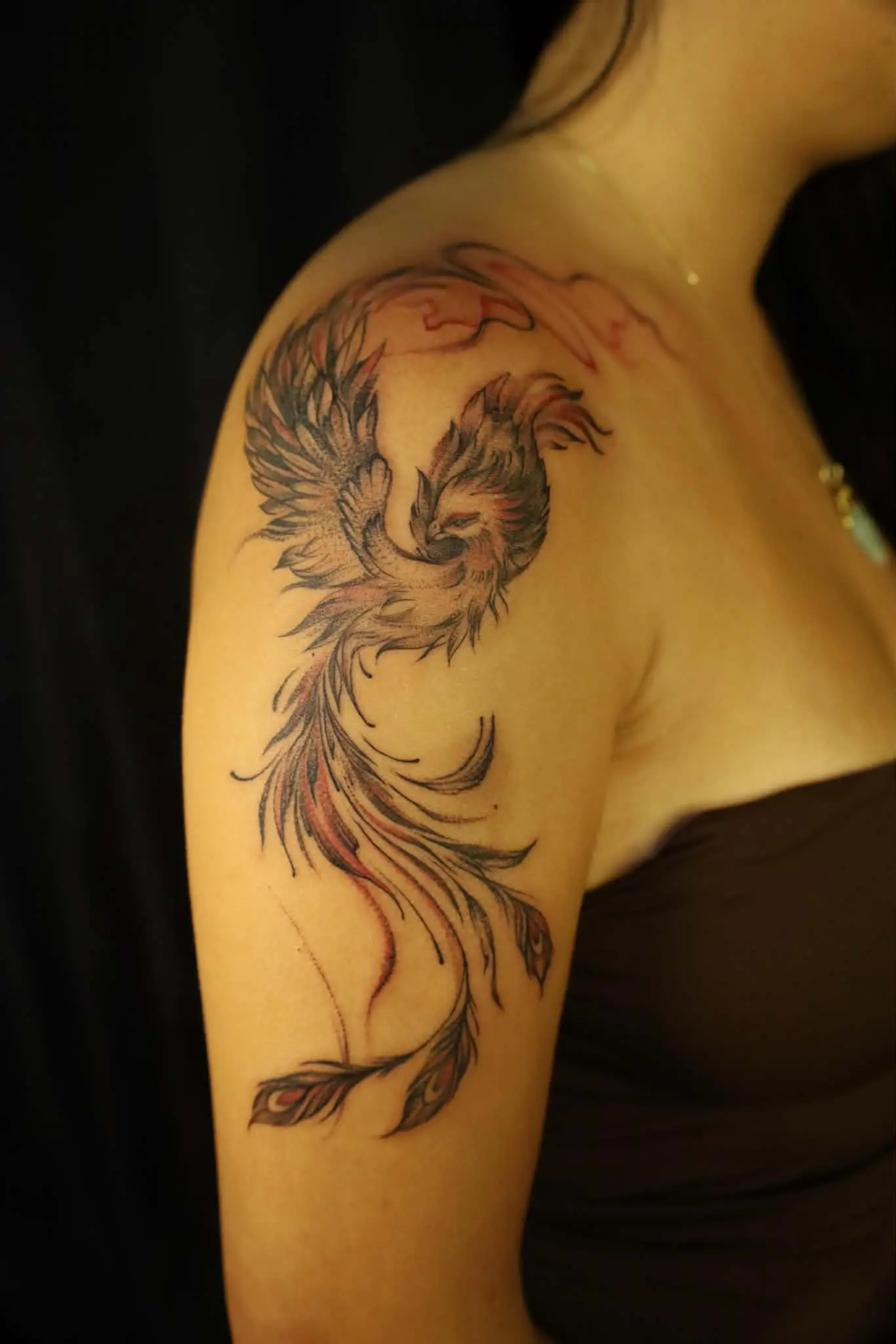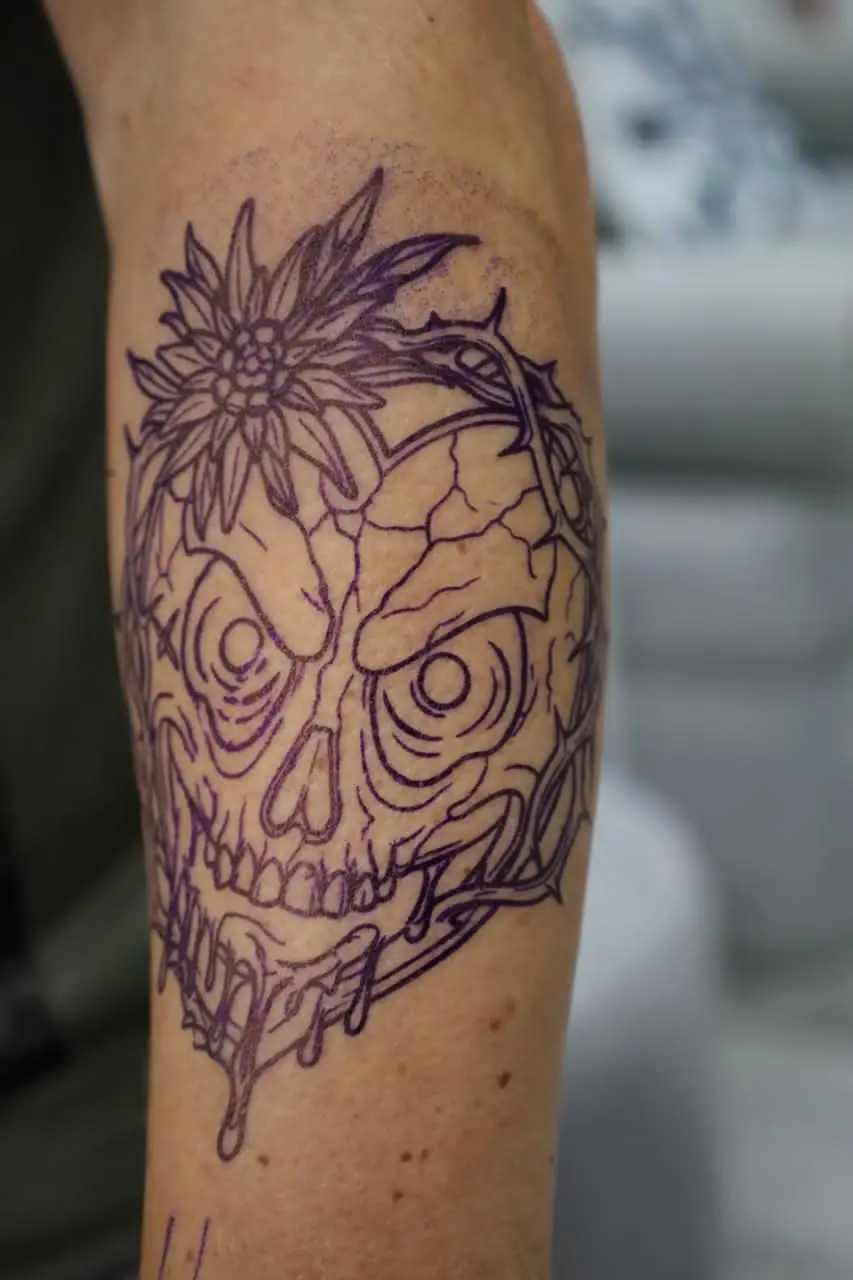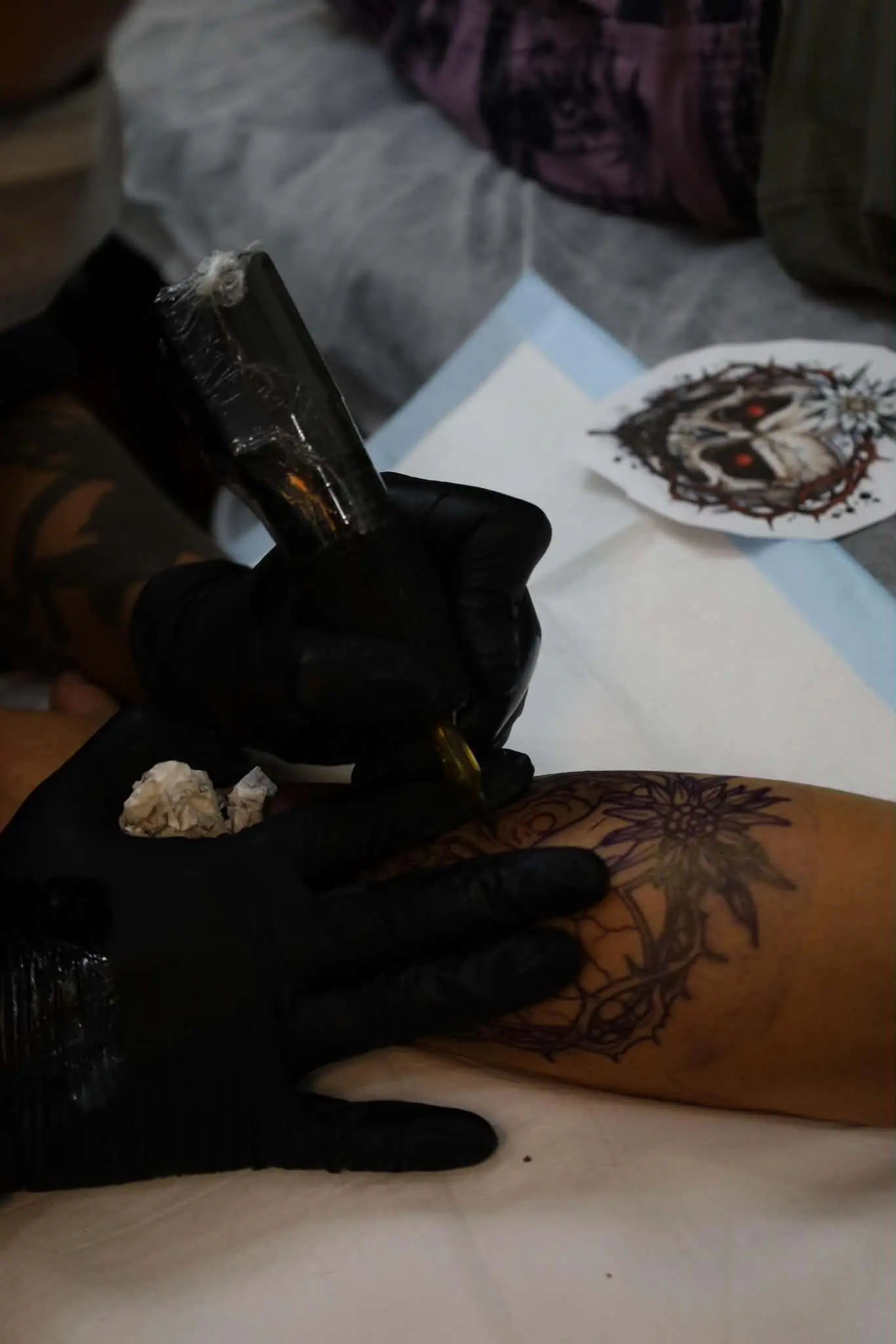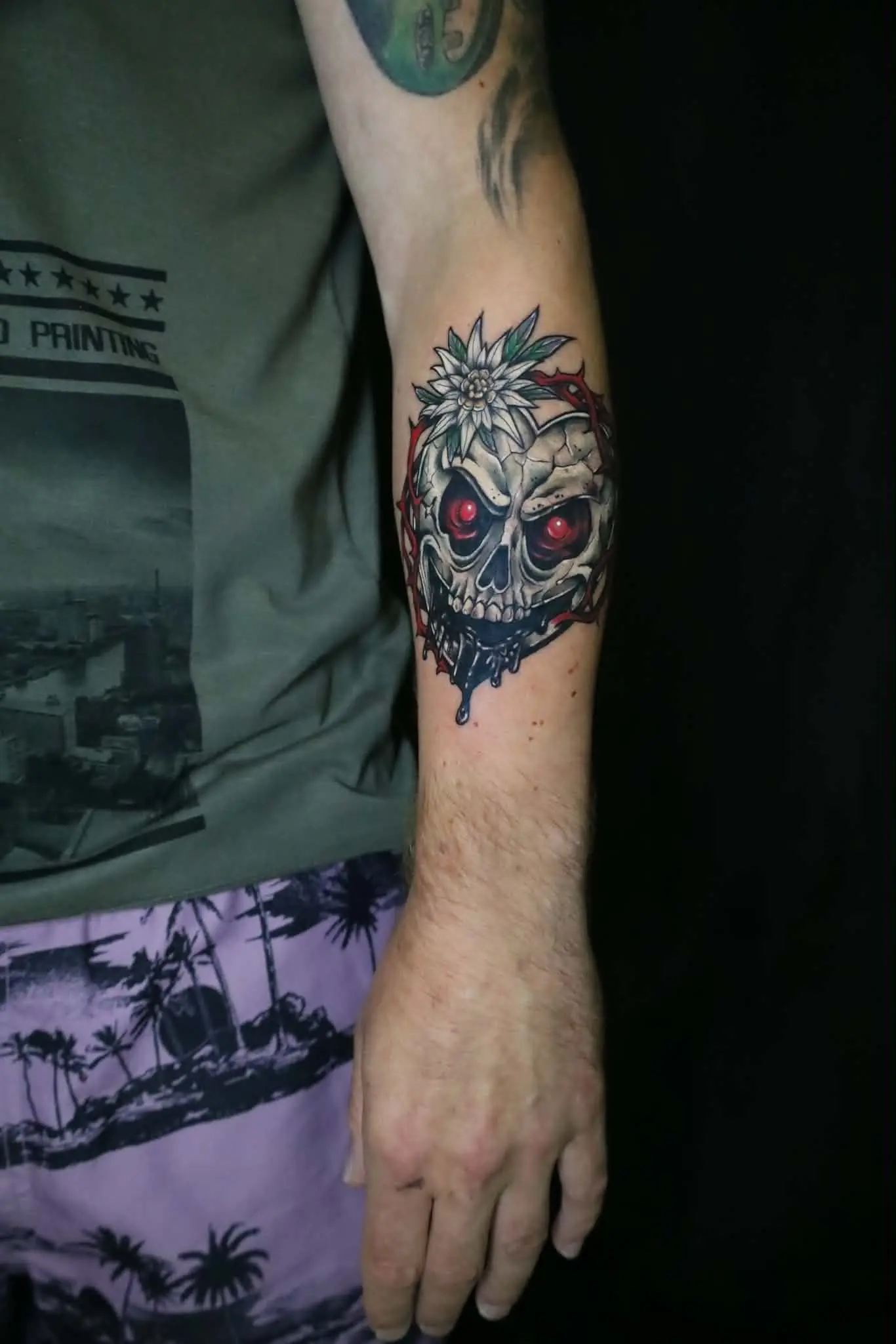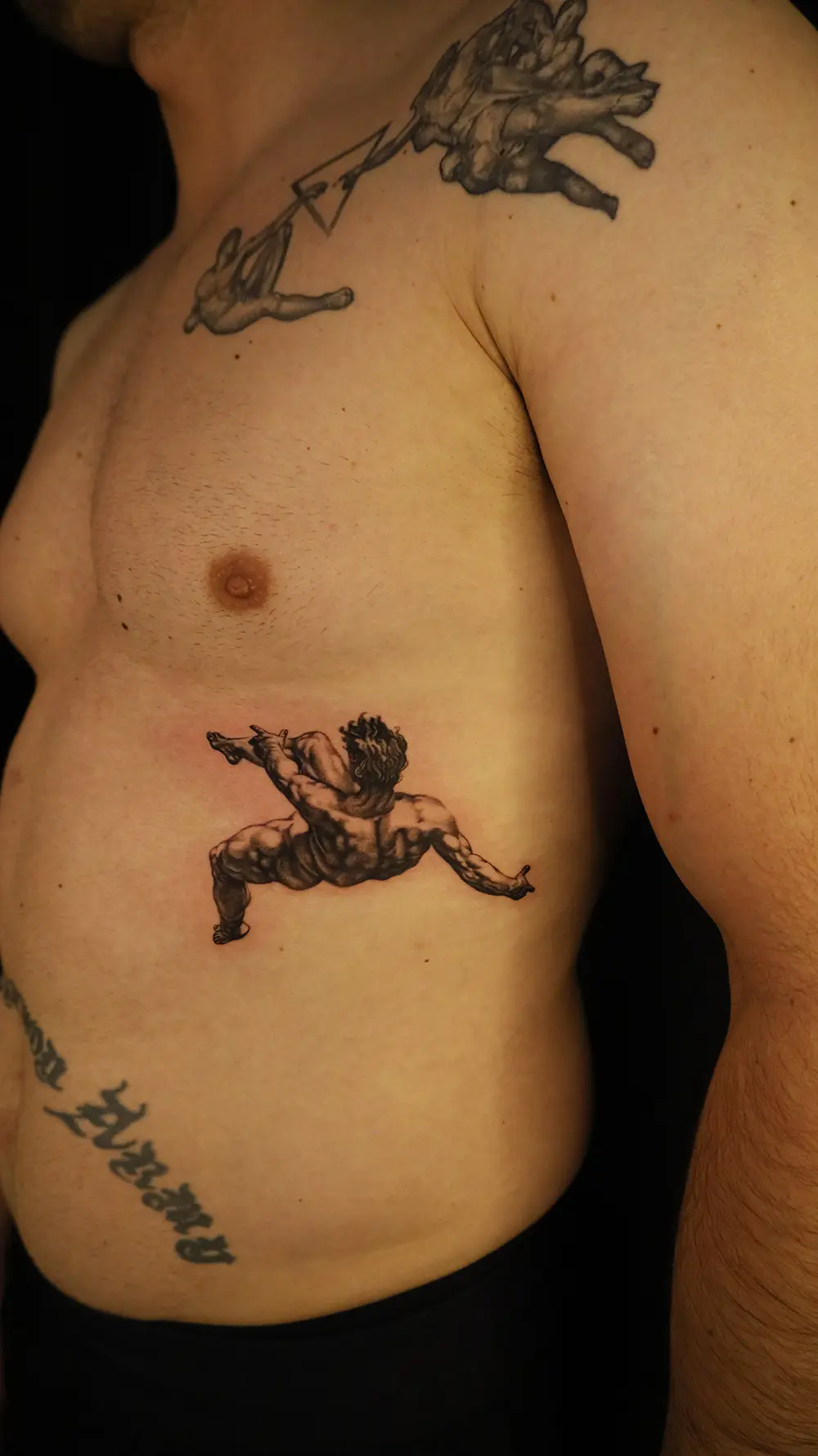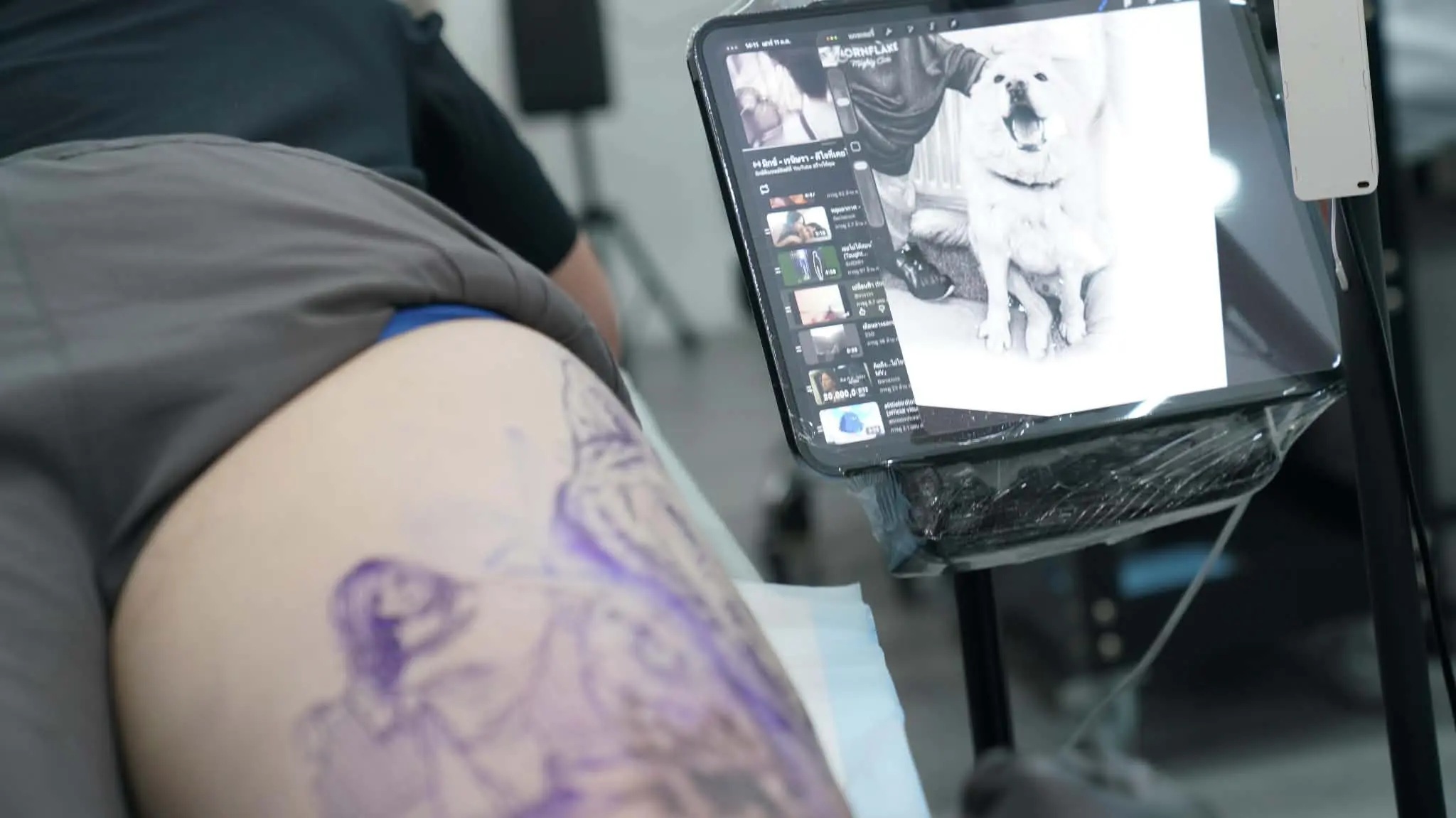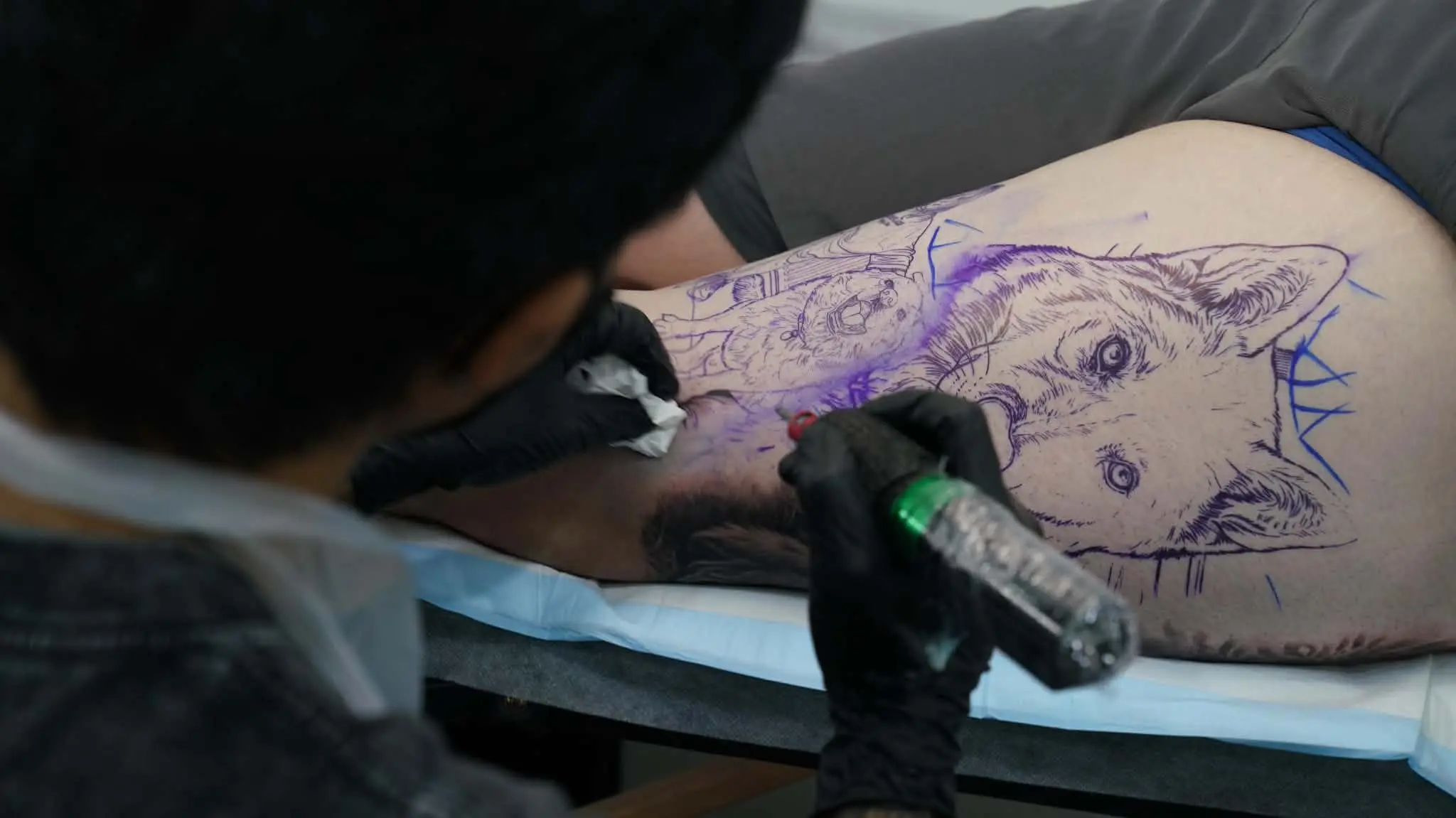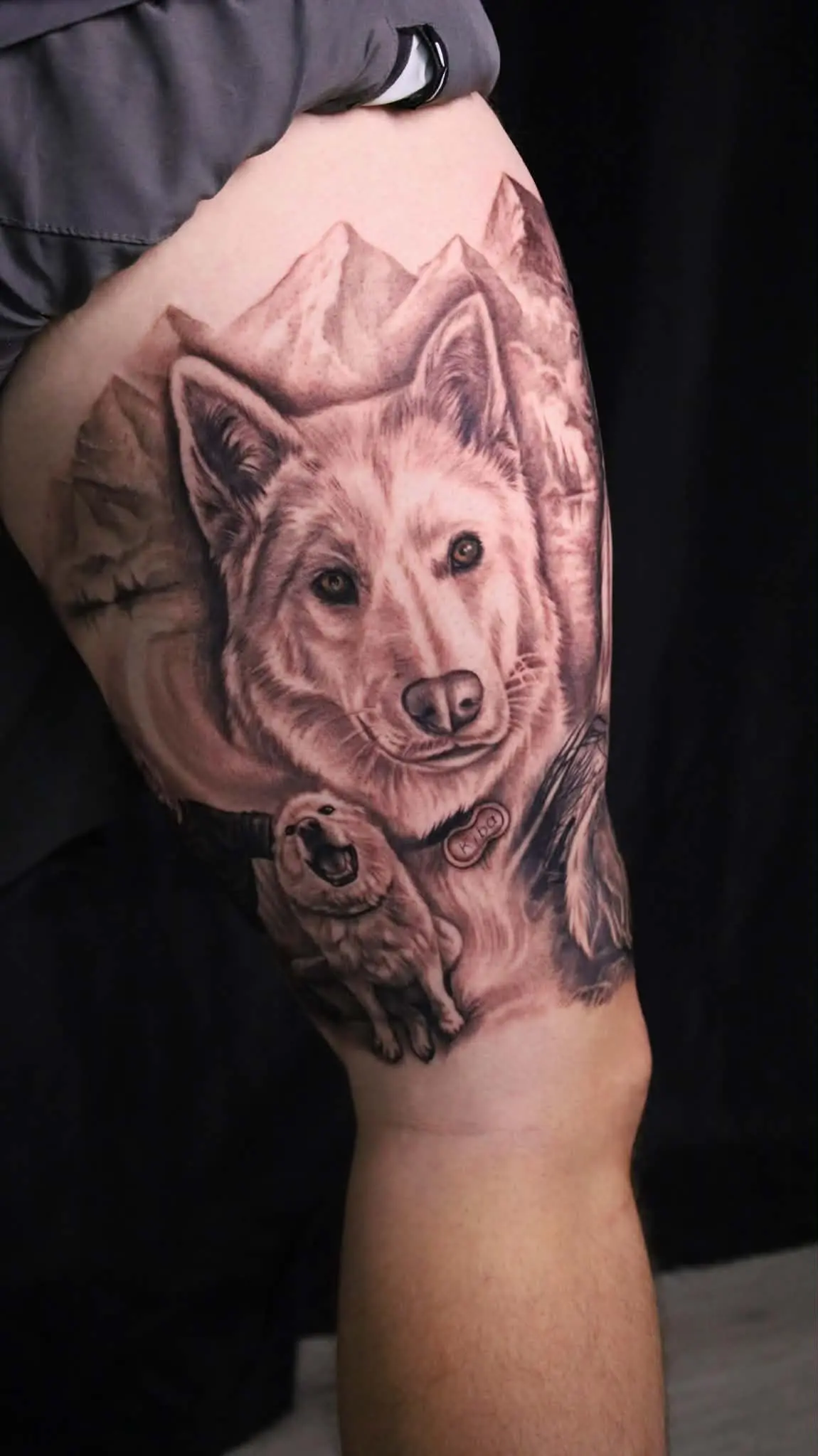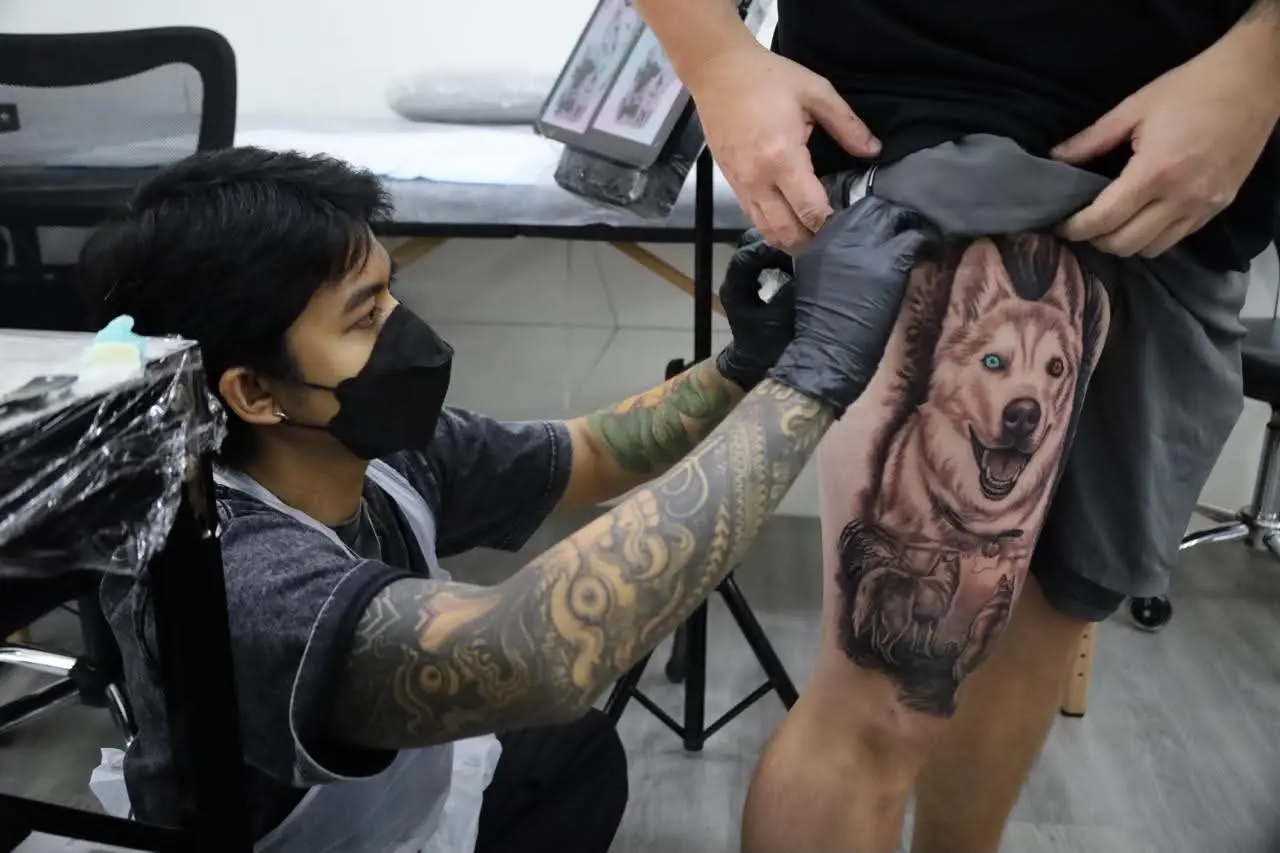
You do not need to arrive at a tattoo studio with a finished design. Many of the best custom tattoos begin with something much less complete: a memory, a symbol, a photograph, a rough sketch, or a feeling that is difficult to describe. The role of a tattoo consultation is to turn that starting point into a practical creative brief.
A good consultation helps you clarify the style, size, placement, level of detail, artist match, timing, and price before the tattoo session begins. It also gives the artist enough information to create something original that works on the body, not only on a screen.
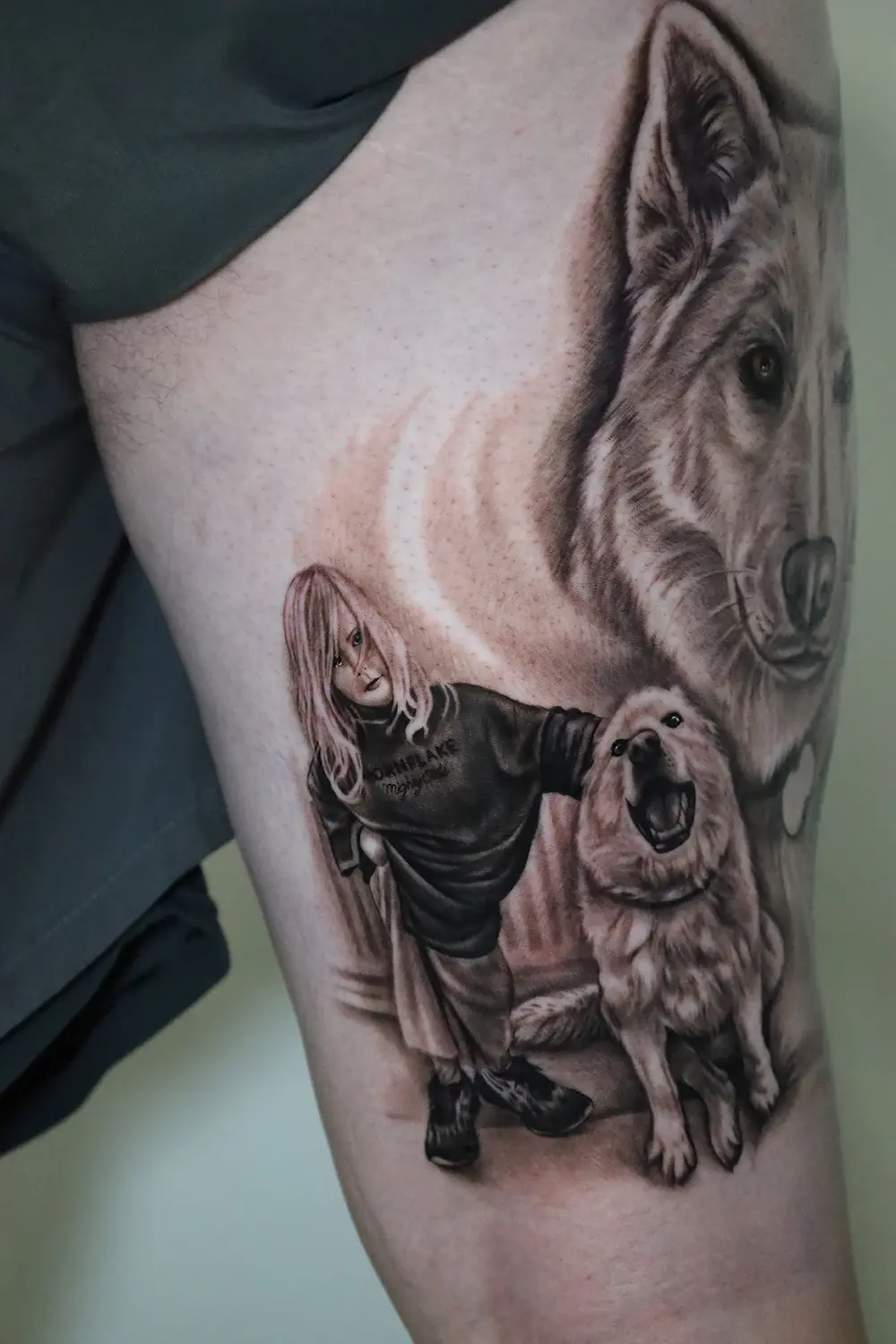
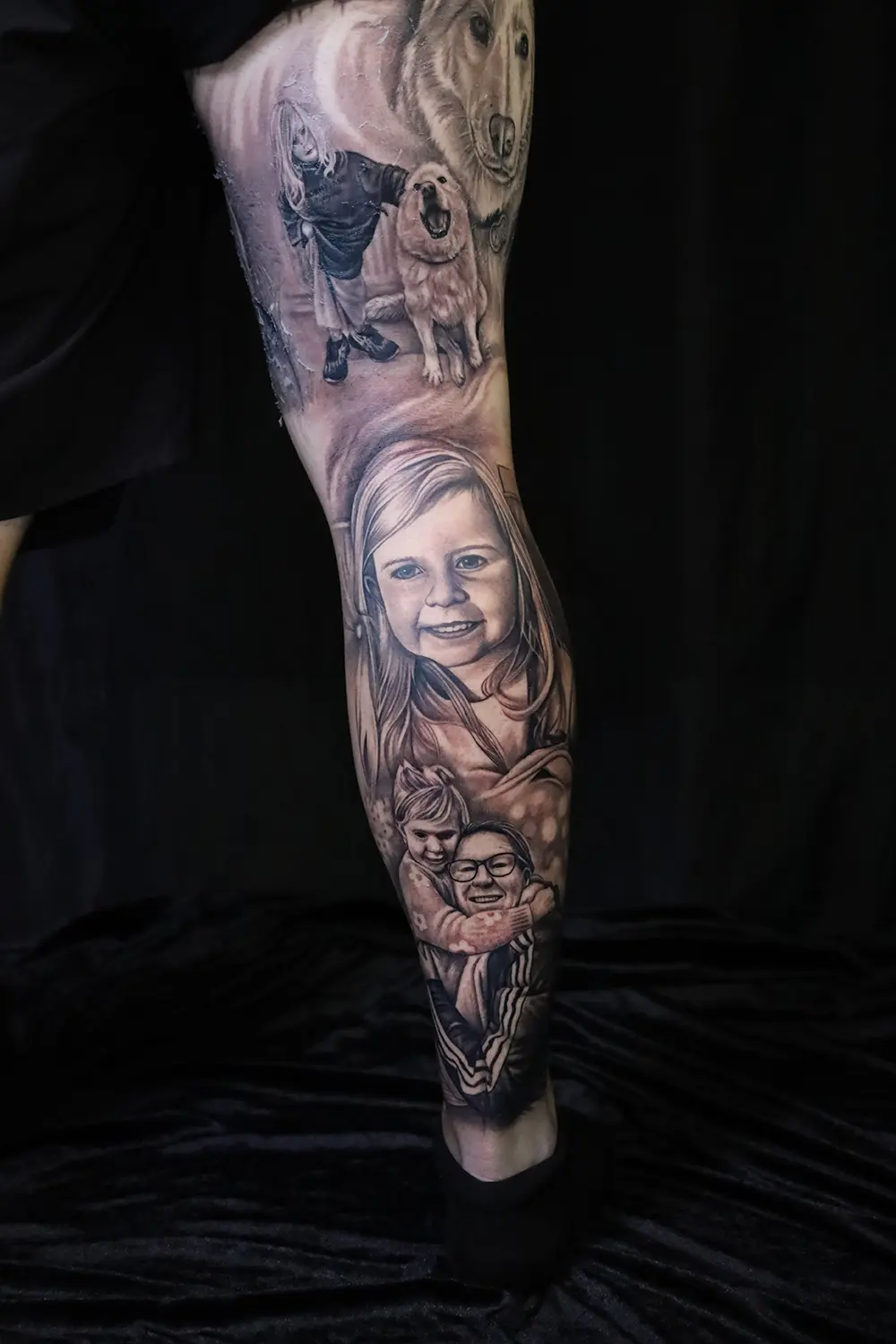
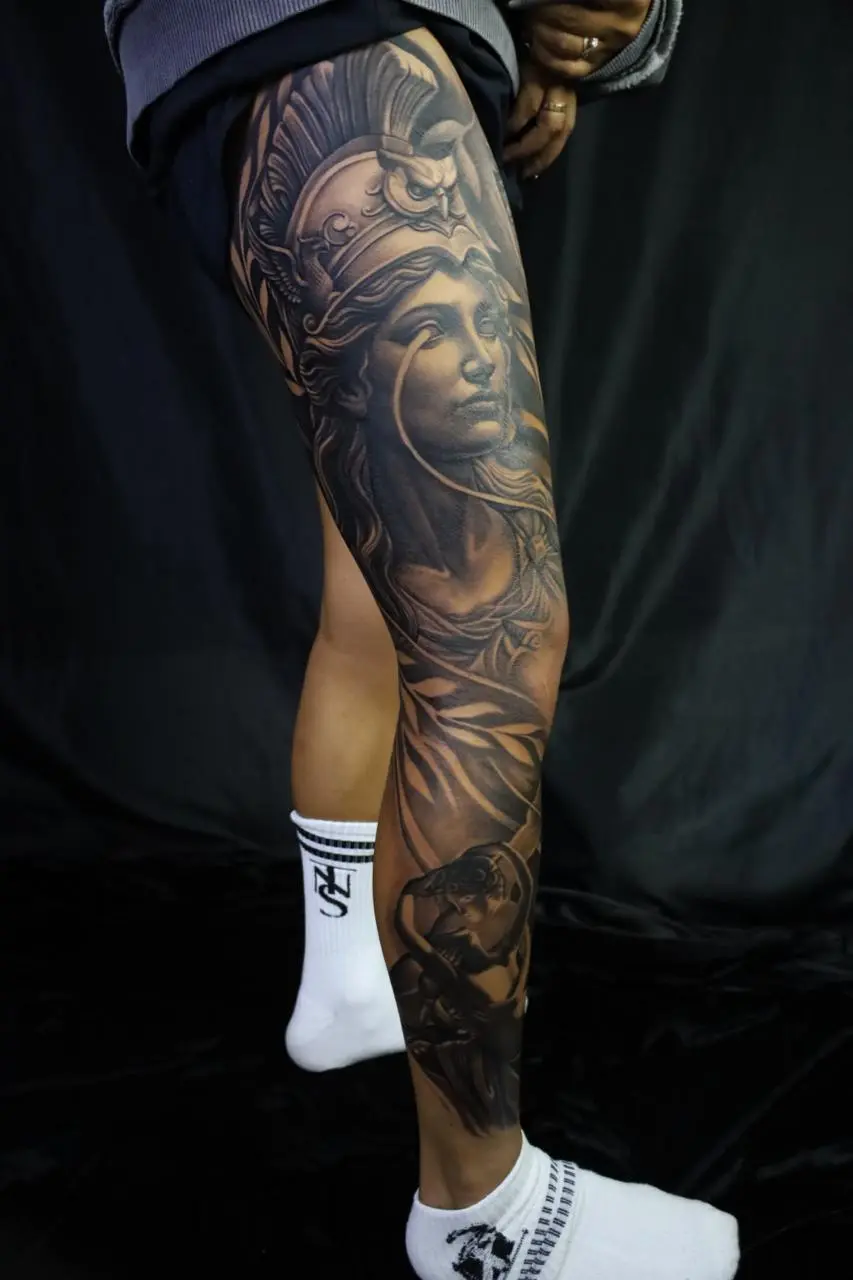
This planning becomes even more important for a full or partial arm sleeve tattoo, leg sleeve tattoo, or full-back tattoo. These projects need an overall composition, natural body flow, clear connections between elements, and a realistic multi-session plan before tattooing begins.
If you are planning a custom tattoo in Bangkok, the process below will help you understand what to prepare and what to expect.
A Custom Tattoo Starts With a Clear Brief
You are not expected to speak like a designer or know every tattoo style by name. You only need to explain what matters to you. That may include the story behind the tattoo, the visual mood, important symbols, preferred placement, approximate size, and anything you definitely want to include or avoid.
The consultation team and artist can then help translate those ideas into a direction that is both meaningful and suitable for tattooing. The clearer the brief, the easier it becomes to recommend the right artist, estimate the work, and avoid confusion later.
Share the Meaning and Main Idea
Begin with the reason for the tattoo. Is it connected to a person, place, achievement, belief, memory, or personal change? Or is your priority purely visual? Both are valid. The important thing is to identify what the design must communicate.
If the tattoo includes text, names, dates, coordinates, or another language, provide the final wording carefully. Check spelling and meaning before the design stage. If the tattoo uses cultural or sacred imagery, explain what attracts you to it so the studio can guide the conversation respectfully.
Use Reference Images as Direction, Not a Design to Copy
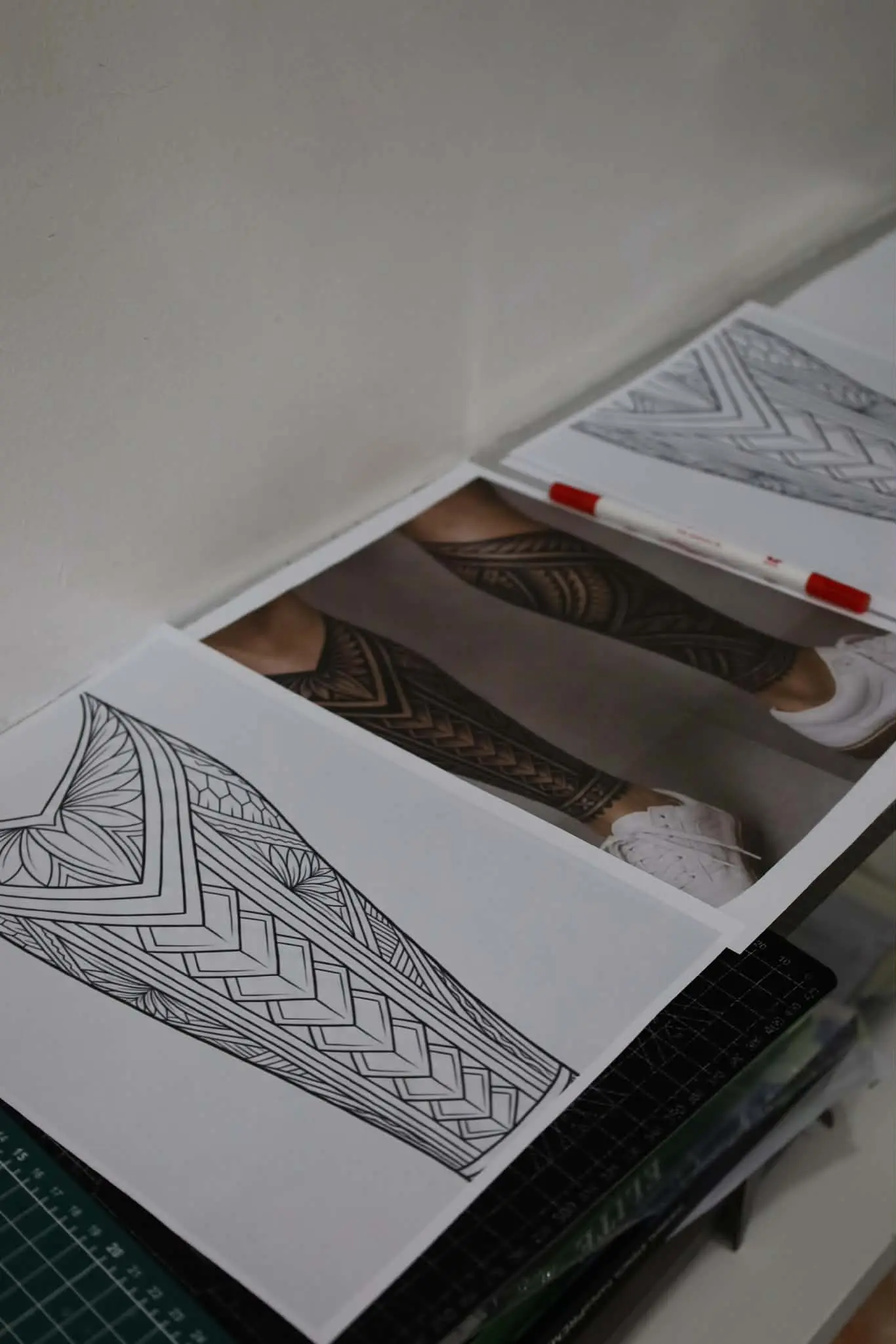
Reference images are extremely helpful when they show the mood, style, composition, line weight, colour, or level of realism you prefer. Three to five focused references are usually more useful than a folder containing dozens of unrelated tattoos.
Try to explain what you like in each image. You may like the shading in one, the placement in another, and the overall mood in a third. This helps the artist understand your taste without copying someone else’s tattoo exactly.
Custom work should feel personal. References create a shared visual language, while the final design should be adapted to your story, anatomy, and chosen artist’s style.
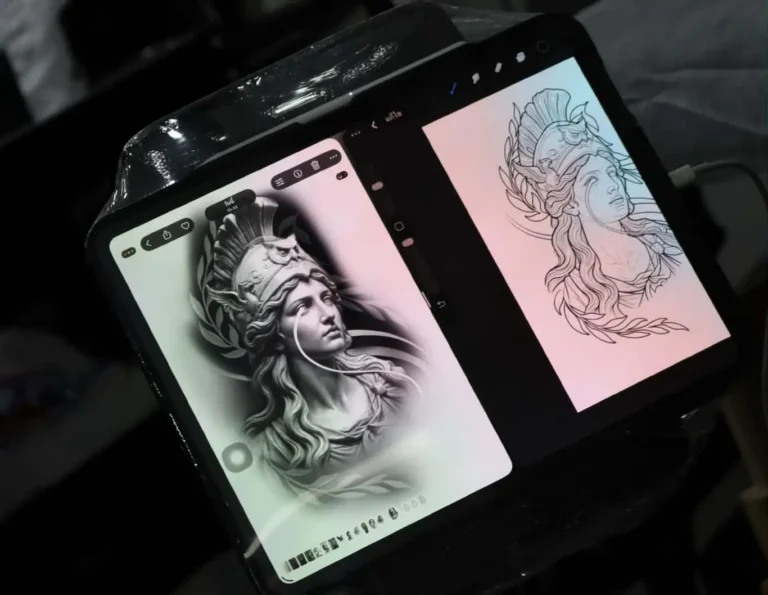
Clarify the Style, Size, and Placement
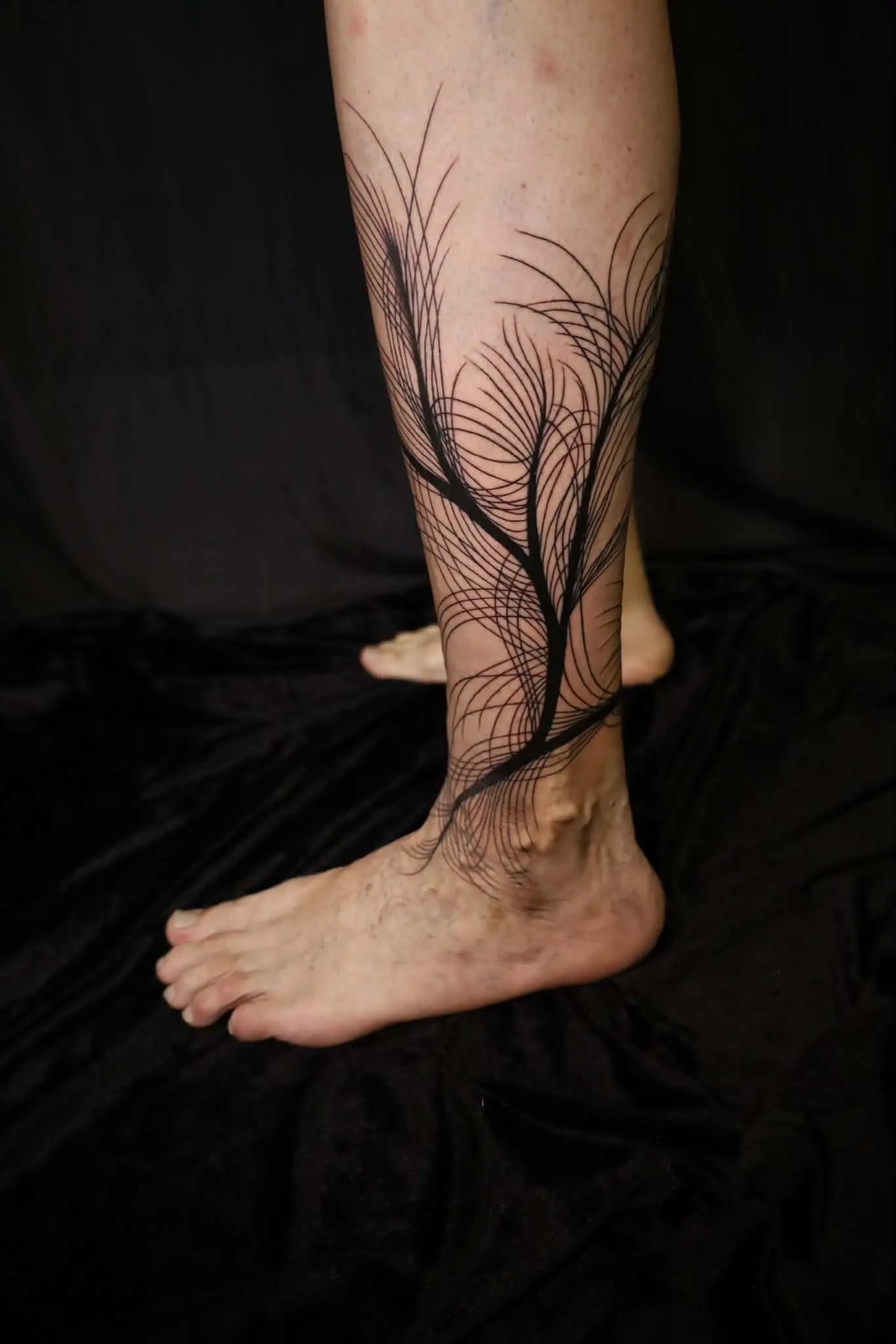
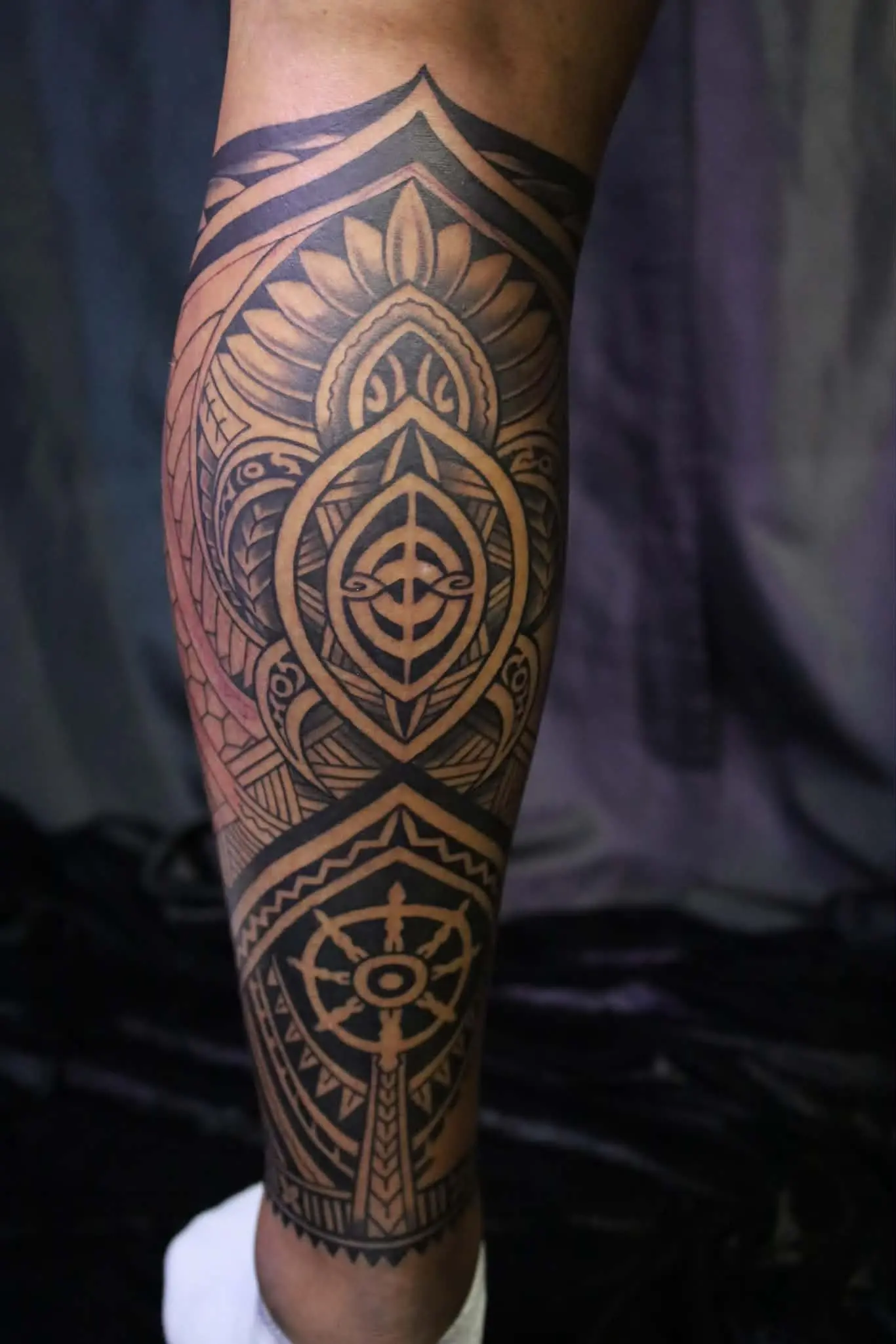
Style affects almost every other decision. A realistic portrait needs a different amount of space and detail from a minimalist symbol. An arm sleeve tattoo, leg sleeve tattoo, or full-back tattoo must be planned as a complete composition rather than a collection of separate images. Japanese, Polynesian, realism, and colour work all require thoughtful use of body flow, movement, scale, and negative space. Fine-line and script pieces require careful spacing and sizing so the design remains readable.
Placement matters because the body is not a flat canvas. The same image may need to be wider, narrower, curved, rotated, or simplified depending on whether it sits on the forearm, shoulder, ribs, chest, back, thigh, or ankle.
For an arm sleeve tattoo, the composition may need to connect the shoulder, upper arm, elbow, forearm, and wrist. A leg sleeve tattoo must work across the thigh, knee, calf, and ankle, while a full-back tattoo needs to account for the shoulder blades, spine, waist, and the body’s natural symmetry. These areas influence where the main focal points sit and how the design reads from different angles.
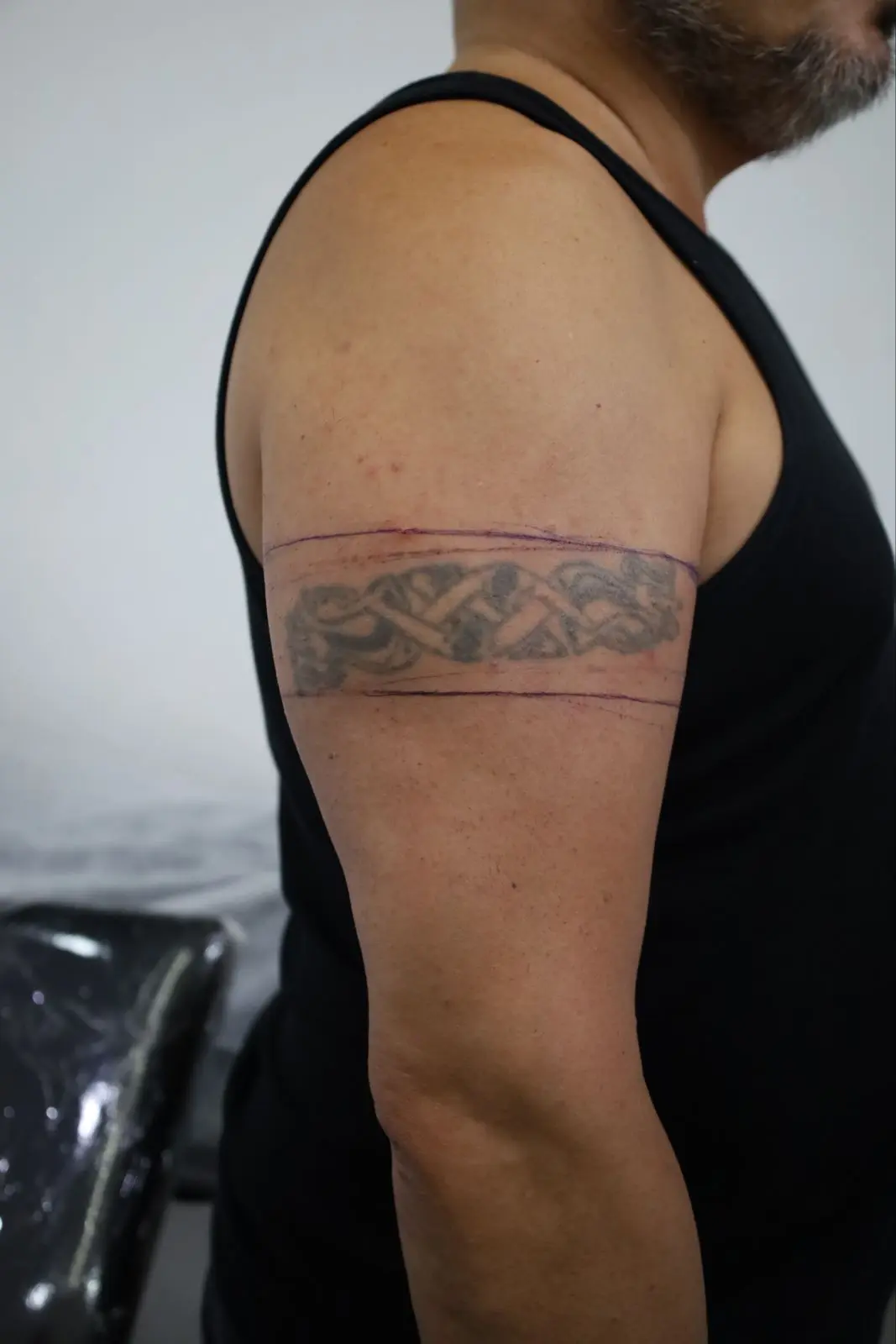
If you are unsure about size, share an approximate measurement or clear photos of the placement area. For an arm sleeve tattoo, leg sleeve tattoo, or full-back tattoo, provide front, side, and back views where relevant, taken while standing naturally. The artist can then recommend coverage and proportions that suit both the design and the body.
Planning Arm Sleeve Tattoos, Leg Sleeve Tattoos, and Full-Back Tattoos
Arm Sleeve Tattoo Planning
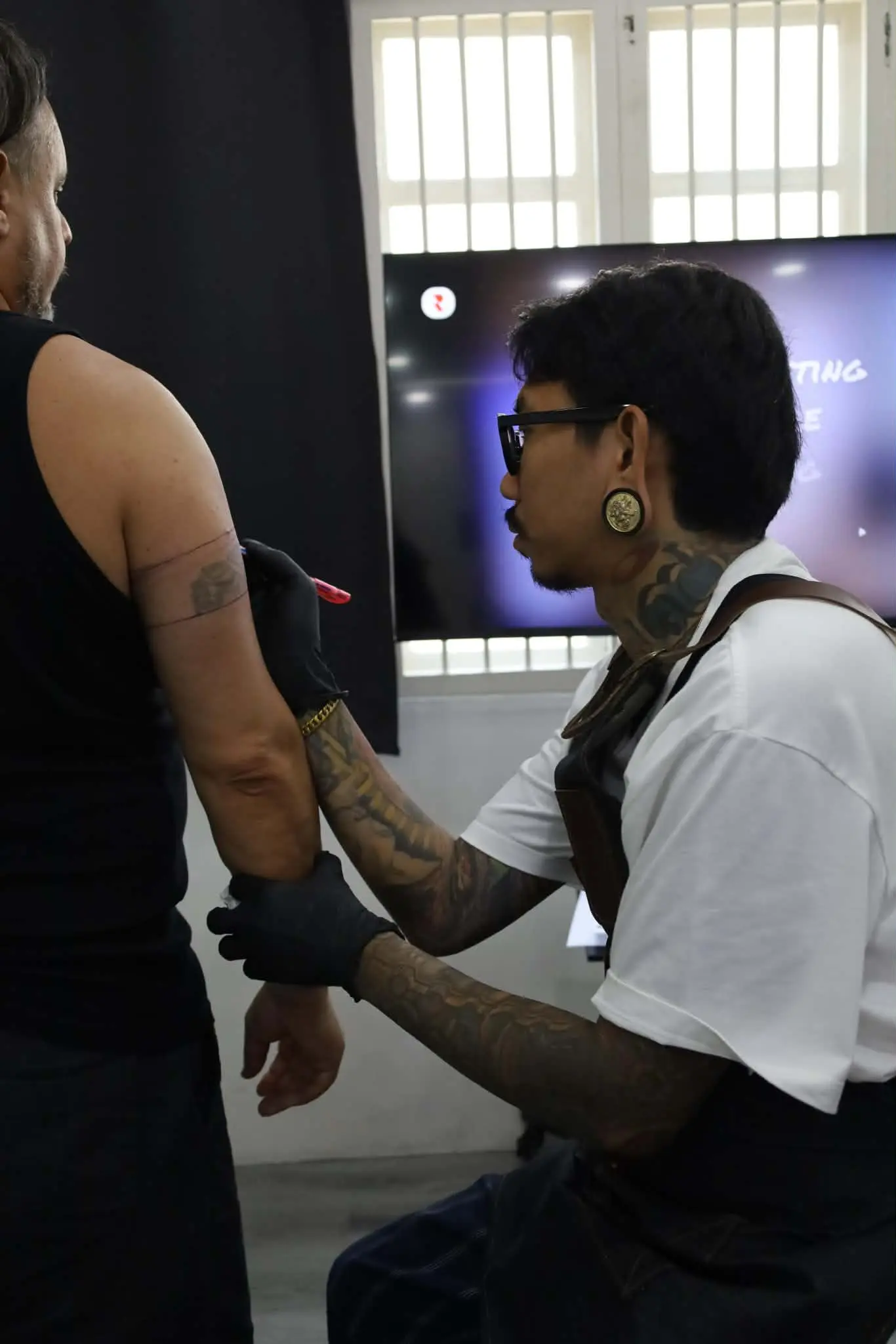
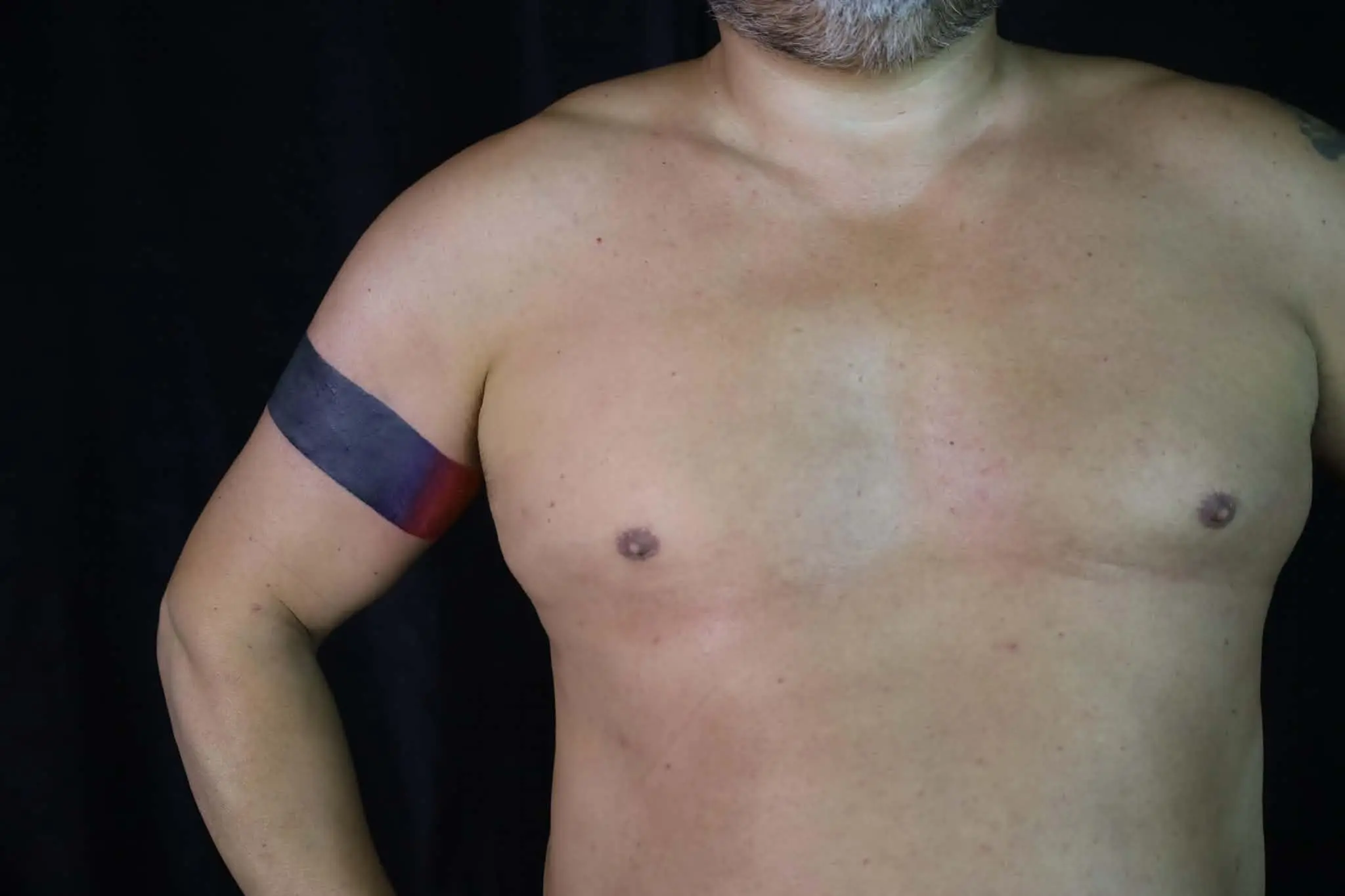
An arm sleeve tattoo needs a top-to-bottom plan rather than separate images added without connection. The consultation should define half or full coverage, the main focal point, the direction of movement, the transition across the elbow, and how existing tattoos will be incorporated. Full-arm photographs from several angles help the artist plan a consistent 360-degree flow.
Leg Sleeve Tattoo Planning
Full-Back Tattoo Planning
Match the Project With the Right Artist
The artist with the largest social following is not automatically the best match for every tattoo. Custom work should be assigned according to relevant experience and visual strengths. Review portfolios by style, then look for work that feels close to the quality and mood you want.
At PUREink. Tattoo Bangkok, the consultation team can review your brief and recommend an artist whose portfolio fits the project. English-speaking consultation support is available for international clients, helping communicate the concept clearly even when the selected artist works primarily in Thai.
Translate the Idea Into a Tattoo Design
Once the direction is clear, the artist considers composition, line weight, contrast, colour, negative space, and how the design will move with the body. Some references may need to be simplified. Other ideas may need more scale to preserve the important details.
For an arm sleeve tattoo, leg sleeve tattoo, or full-back tattoo, the artist may first map the main subjects, supporting elements, background, and negative space across the entire body area. This master composition helps the tattoo feel unified and makes effective use of the available space, even when the work is completed over several sessions.
This is where professional judgment adds value. A good artist does not only reproduce what is on the reference image. They interpret the brief and make decisions that help the tattoo work as a permanent piece of body art.
Be open to recommendations about size, orientation, and placement. You should still feel ownership of the concept, but the strongest result usually comes from collaboration rather than directing every line.
Confirm the Quote and Secure the Appointment
Tattoo pricing depends on the design, size, style, placement, level of detail, time required, and artist assigned. This is why a studio may need your references and measurements before giving a useful estimate.
PUREink.’s booking journey follows four clear stages: Consult > Quote > Deposit > Appointment. After the idea has been reviewed, the team provides a transparent quote. A deposit is then required to reserve the artist’s time and confirm the booking.
Before paying, make sure you understand the confirmed date, estimated session length, deposit conditions, rescheduling policy, and what is included in the quote. Clear information at this stage prevents avoidable misunderstandings.
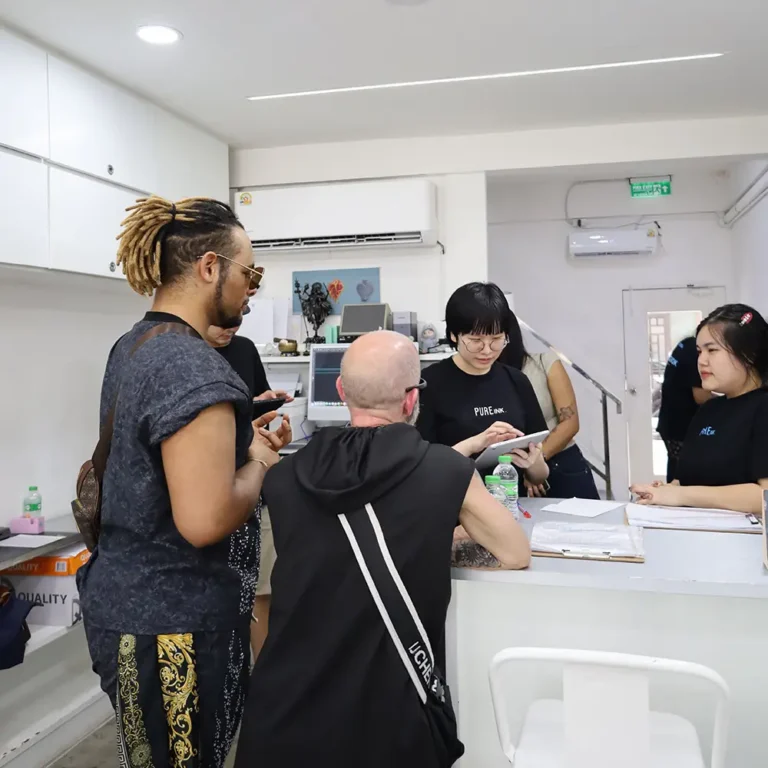
Review the Design and Placement Before Tattooing
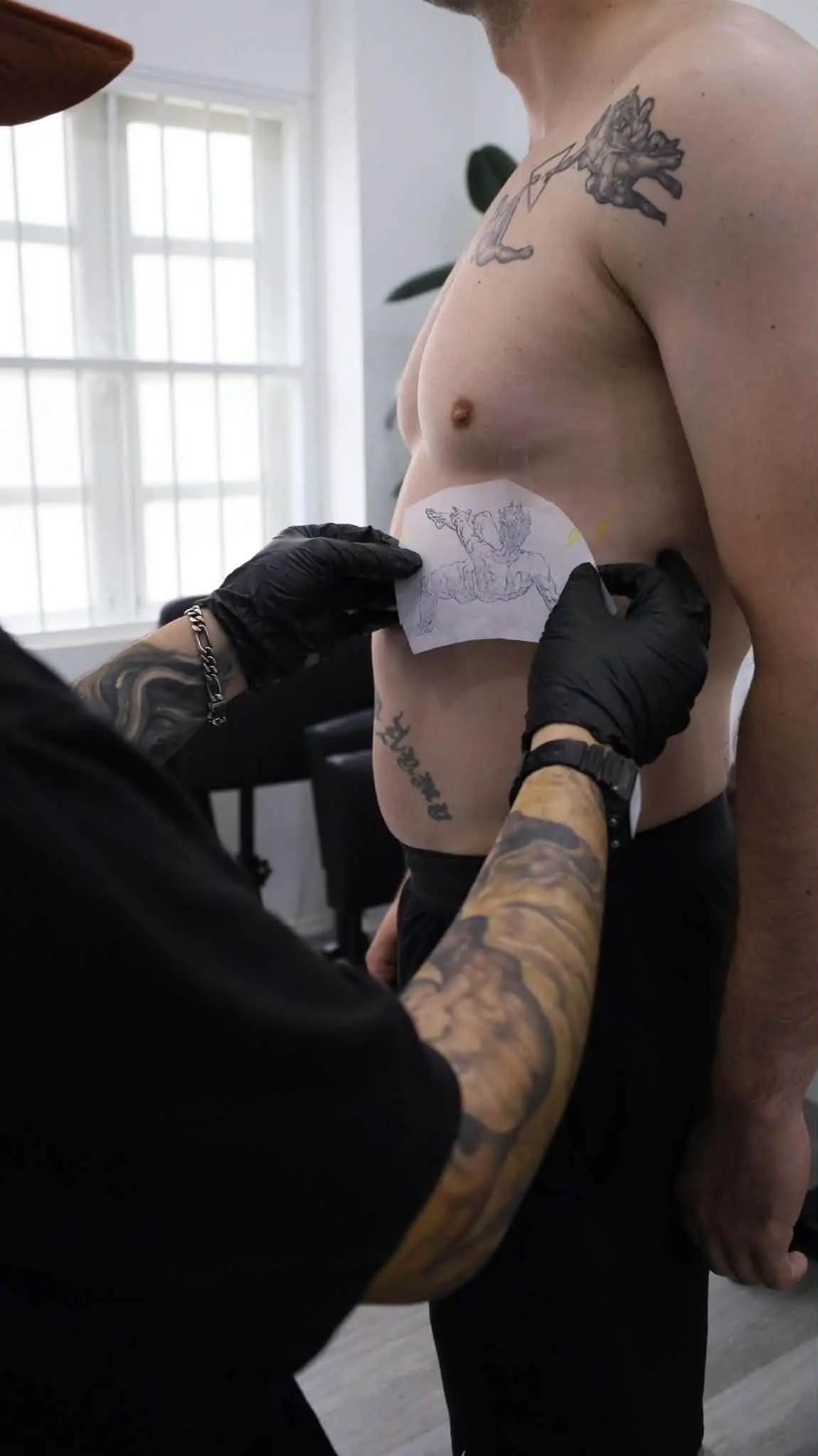
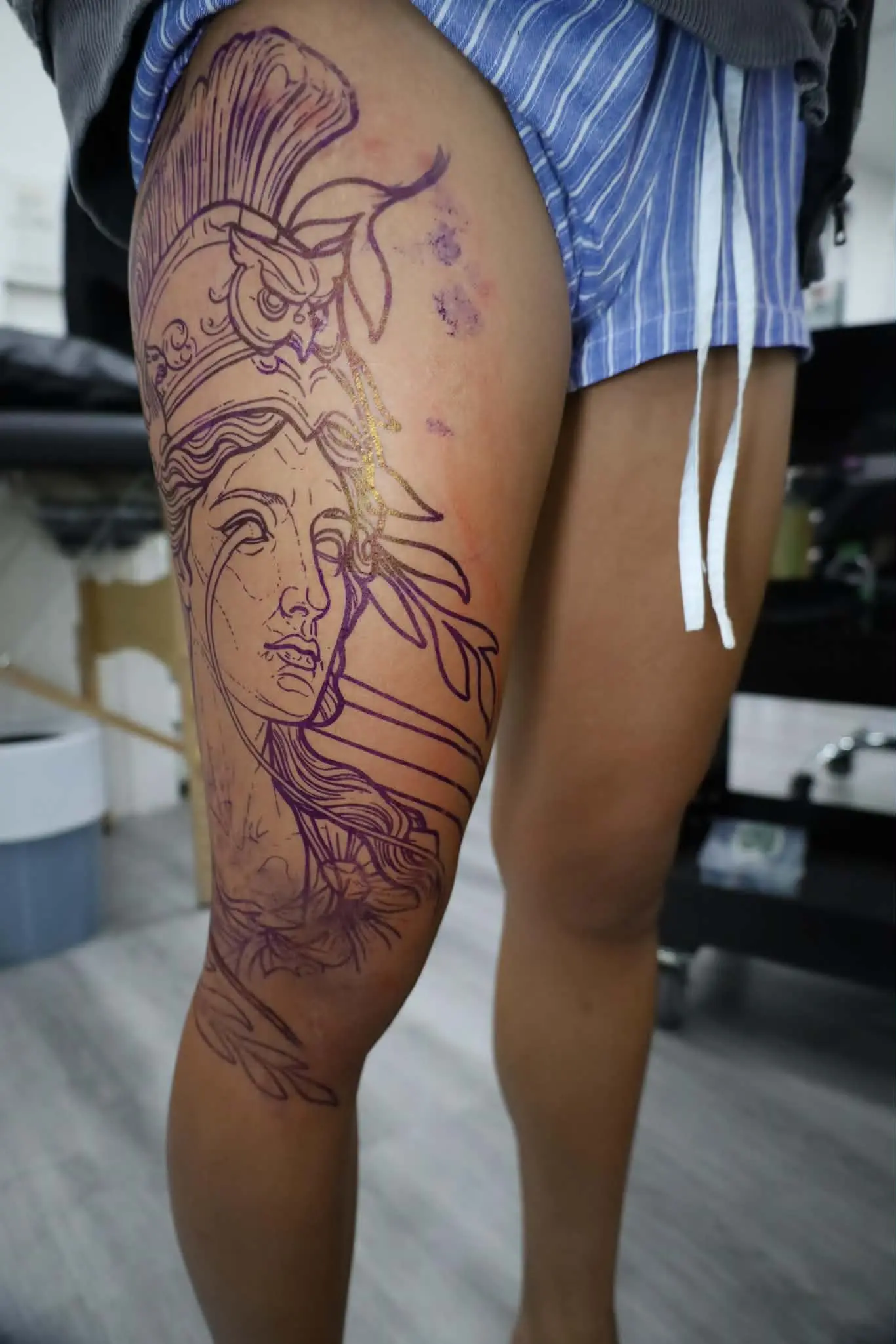
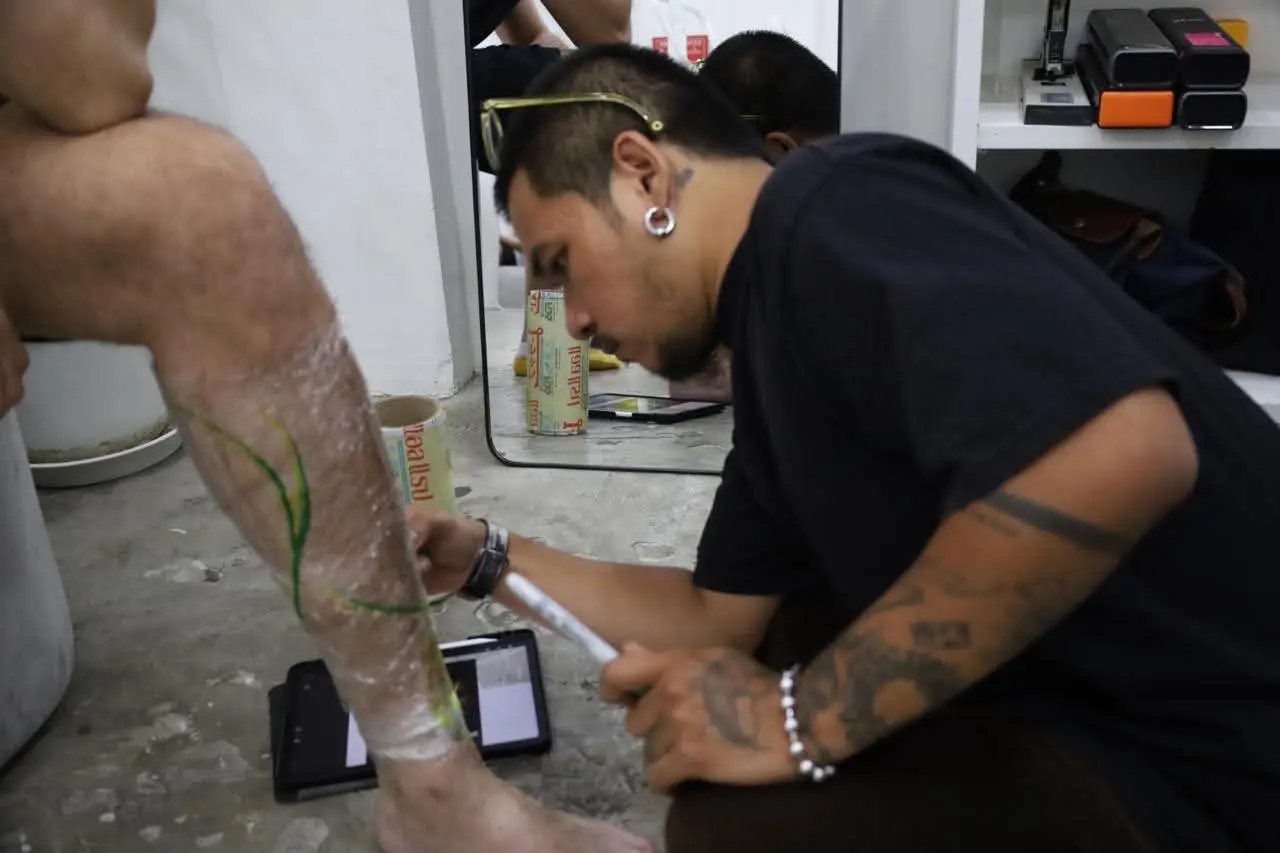
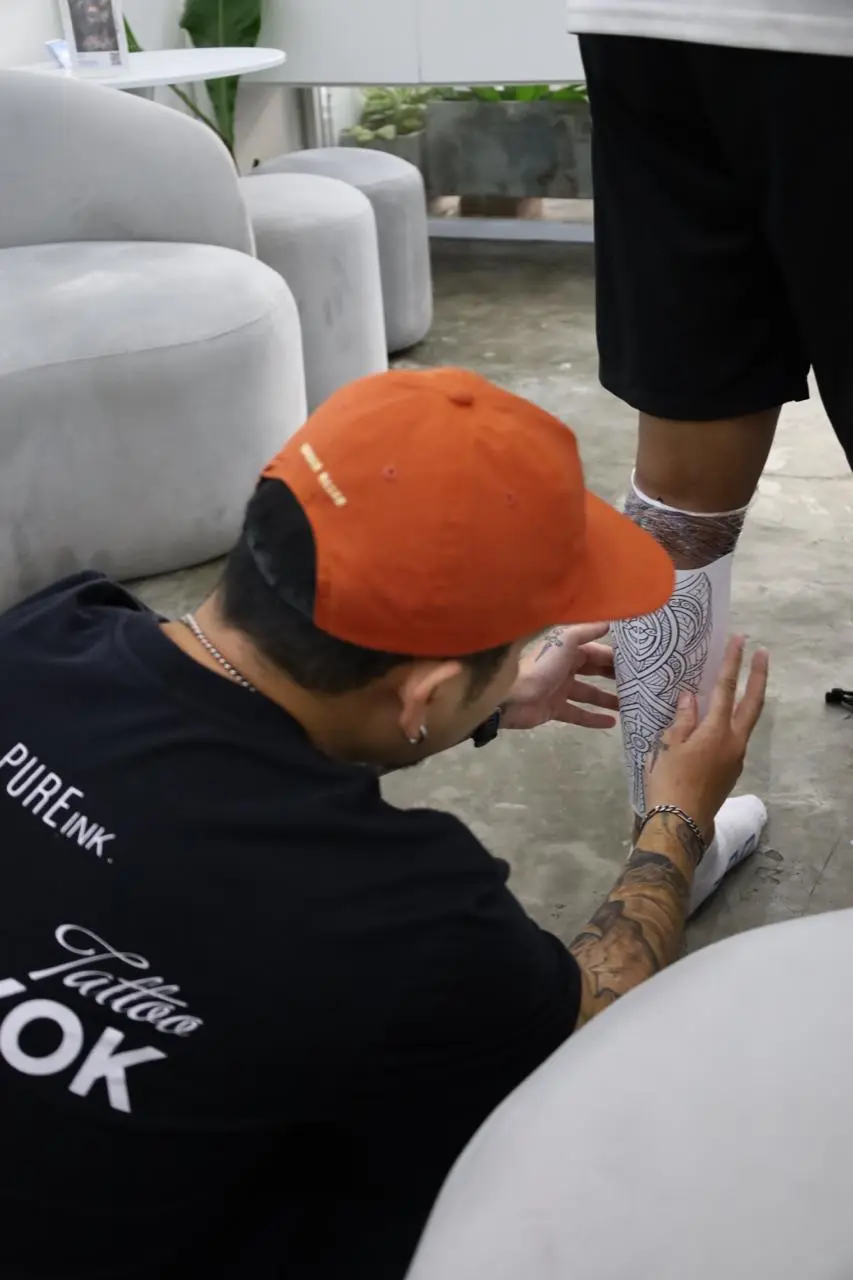
The final design and placement should be reviewed before tattooing begins. Depending on the project, the artist may adjust scale, spacing, direction, or small details after seeing how the design sits on the body.
Take time to look at the stencil from more than one angle. Check the spelling of any text, confirm the orientation, and make sure the size feels right when you stand naturally. Small corrections are much easier before the first line is tattooed.
For a large-scale arm sleeve tattoo, leg sleeve tattoo, or full-back tattoo, the consultation should include a master plan for how the major elements connect, which areas will be completed in each session, and where natural stopping points may fall. This helps the final tattoo feel intentional and cohesive even when it is completed in stages.
How to Prepare for a Productive Tattoo Consultation
Bring a focused set of references
Define your must-have and must-avoid elements
Tell the team which symbols, words, colours, or visual features are essential. Also mention anything you dislike or do not want included.
Share the preferred placement, scale, and body-area photos
Mention existing tattoos, scars, or skin considerations
Provide your timing and availability
Be open about your budget range
A Simple Example of a Strong Tattoo Brief
Instead of saying, ‘I want a tiger tattoo,’ try: ‘I want a black-and-grey tiger that represents resilience. I prefer a realistic face with a calm expression, not an aggressive pose. I am considering the outer upper arm at around 18 to 22 centimetres. I like the soft shading in reference one and the composition in reference two, but I do not want flowers or text.’
This brief gives the studio meaning, style, mood, placement, approximate size, positive references, and clear exclusions. It is still flexible enough for the artist to create something original.
Example of a Strong Brief for a Sleeve or Back Piece
For large-scale work, begin by defining the intended coverage: a half or full arm sleeve, a full leg sleeve, or a full-back piece. Then describe the main subject, supporting elements, preferred style, colour direction, existing tattoos, and how much time you can allow for multiple sessions. For example: ‘I want a full left-arm Japanese sleeve with a koi as the main subject. I would like the composition to flow from the shoulder to the wrist, using waves and background elements to connect the piece. I prefer black-and-grey with limited red accents, and I can schedule several sessions while I am in Bangkok.’
Common Consultation Mistakes to Avoid
Avoid sending too many conflicting references without explaining what connects them. Do not force a highly detailed design into a size that is too small. Do not hide an existing tattoo, scar, or placement concern until the session begins. Most importantly, do not choose an artist only because of price or availability if their portfolio does not match the style you want.
A good consultation may include advice that changes part of your original idea. That is not a sign that the studio is ignoring you. It may be a sign that the artist is thinking about readability, placement, and the long-term strength of the design.
Why English-Speaking Consultation Support Matters
A tattoo brief can include subtle details that are difficult to communicate through short messages. English-speaking consultation support helps international clients explain meaning, style preferences, placement concerns, timing, and budget with greater clarity.
The consultation team can then help connect that information with the selected artist. This reduces ambiguity while allowing the artist to focus on the creative and technical decisions behind the tattoo.
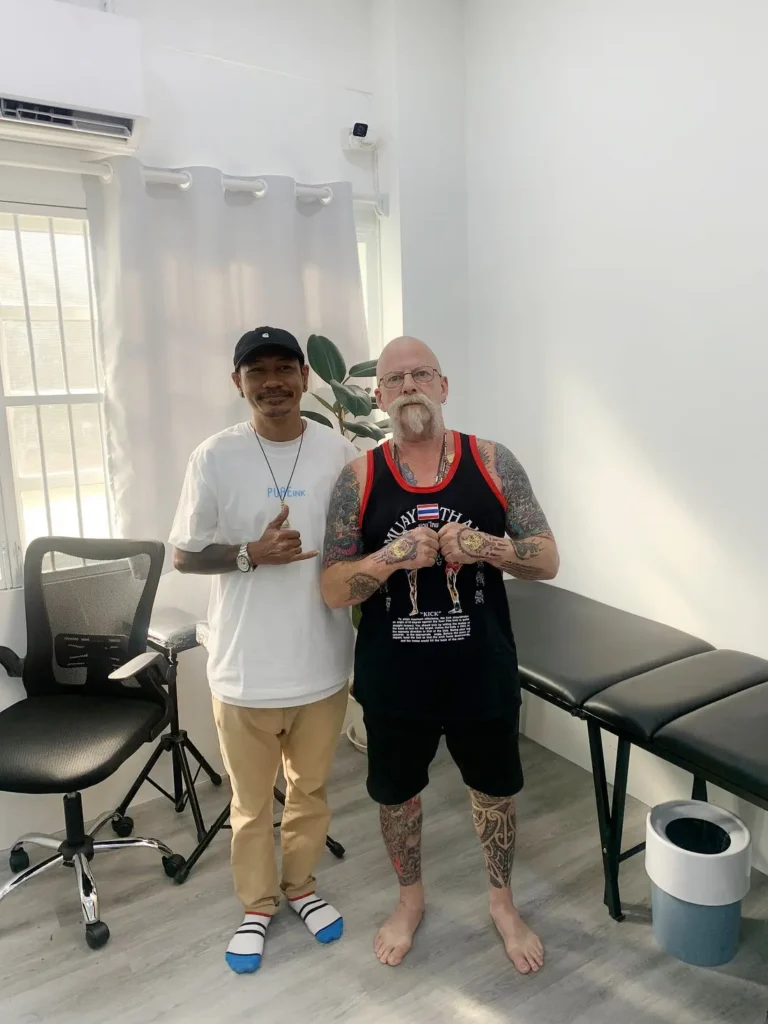
Book a Custom Tattoo Consultation in Bangkok
PUREink. Tattoo Bangkok is located on Charoen Krung Road in Bang Rak and welcomes both local and international clients. To begin, send your concept, reference images, preferred placement, approximate size, and preferred date through WhatsApp, Instagram, Facebook, or the online consultation form.
The team will review your idea, recommend a suitable artist, prepare a quote, and guide you through the deposit and appointment process. You do not need a finished design. You only need a clear starting point and the willingness to collaborate.