Can an Old Tattoo Be Covered? A Practical Guide to Cover-Up Tattoos in Bangkok
- September 29, 2026
An old tattoo may not feel right years later. It may have faded, the design may no longer suit you, or the original work may never have turned out as expected. In many cases, a tattoo can be covered or reworked, but a good cover-up is not simply another image placed on top of the old one.
The new tattoo has to be designed around the ink that is already there, which makes consultation and artist experience especially important.
Can every tattoo be covered?
Many tattoos can be improved or covered, but every case is different. The artist needs to assess how dark the existing tattoo is, which colours are present, how much it has faded, the available space around it, and whether there is scarring.
A lighter or faded tattoo may offer more flexibility than a heavily saturated dark piece. The best starting point is a clear assessment rather than choosing a new design first and forcing it over the old tattoo.
Does a cover-up need to be bigger?
Often, yes. A larger design gives the artist more room to redirect attention, work around darker areas, and create a balanced composition. Trying to use exactly the same size can limit the design options.
How much larger it needs to be depends on the original tattoo, the body area, and the new concept.
Can you choose any tattoo style?
Not every style works equally well over every existing tattoo. A very light or extremely minimal design may not provide enough visual coverage for a dark piece. Designs with stronger shapes, shading, texture, or more space can sometimes give the artist more flexibility.
There is no universal best cover-up style. The new design should balance what you want with what is technically realistic on your skin.
Do you need laser removal first?
Not always. Some tattoos can be covered directly. In other cases, partially fading darker areas through laser treatment may open up more design choices. This does not automatically mean removing the old tattoo completely.
The artist should first assess the existing piece and explain the options before you decide whether any fading treatment is worth considering.
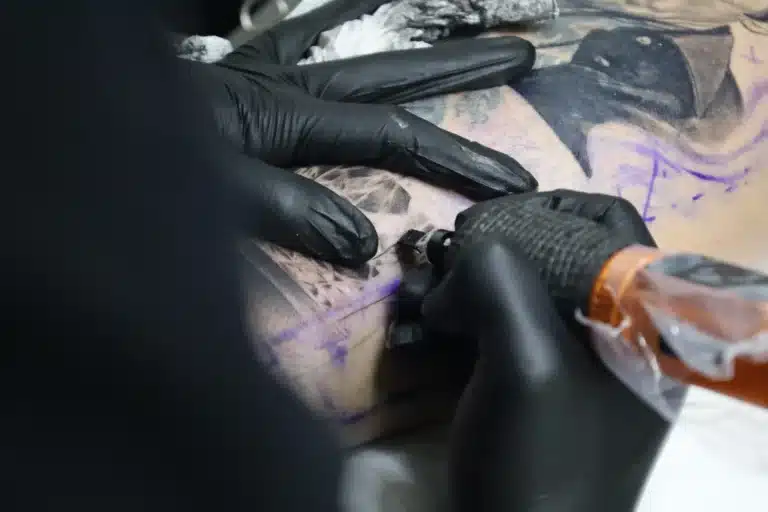
Cover-up or rework?
Sometimes the existing tattoo does not need to disappear completely. If there are elements you still like, a rework may improve lines, add new details, extend the composition, or connect the tattoo with new artwork.
Discuss both options during the consultation. A rework can make more sense when the original tattoo still has useful elements worth keeping.
What photos should you send?
If you are travelling to Bangkok, a useful first assessment can often begin with clear, unedited photographs.
- A close-up of the existing tattoo in natural light
- A wider photo showing the surrounding body area
- Different angles if the tattoo wraps around an arm, leg, or other curved area
- Approximate measurements
- Reference images showing the direction you want for the new tattoo

Be flexible with the new design
Cover-up work often needs some adjustment to size, direction, colour, placement, or composition. That does not mean giving up the idea you want. It means adapting the design so the finished tattoo works naturally with what is already on the skin.
Choosing a cover-up artist
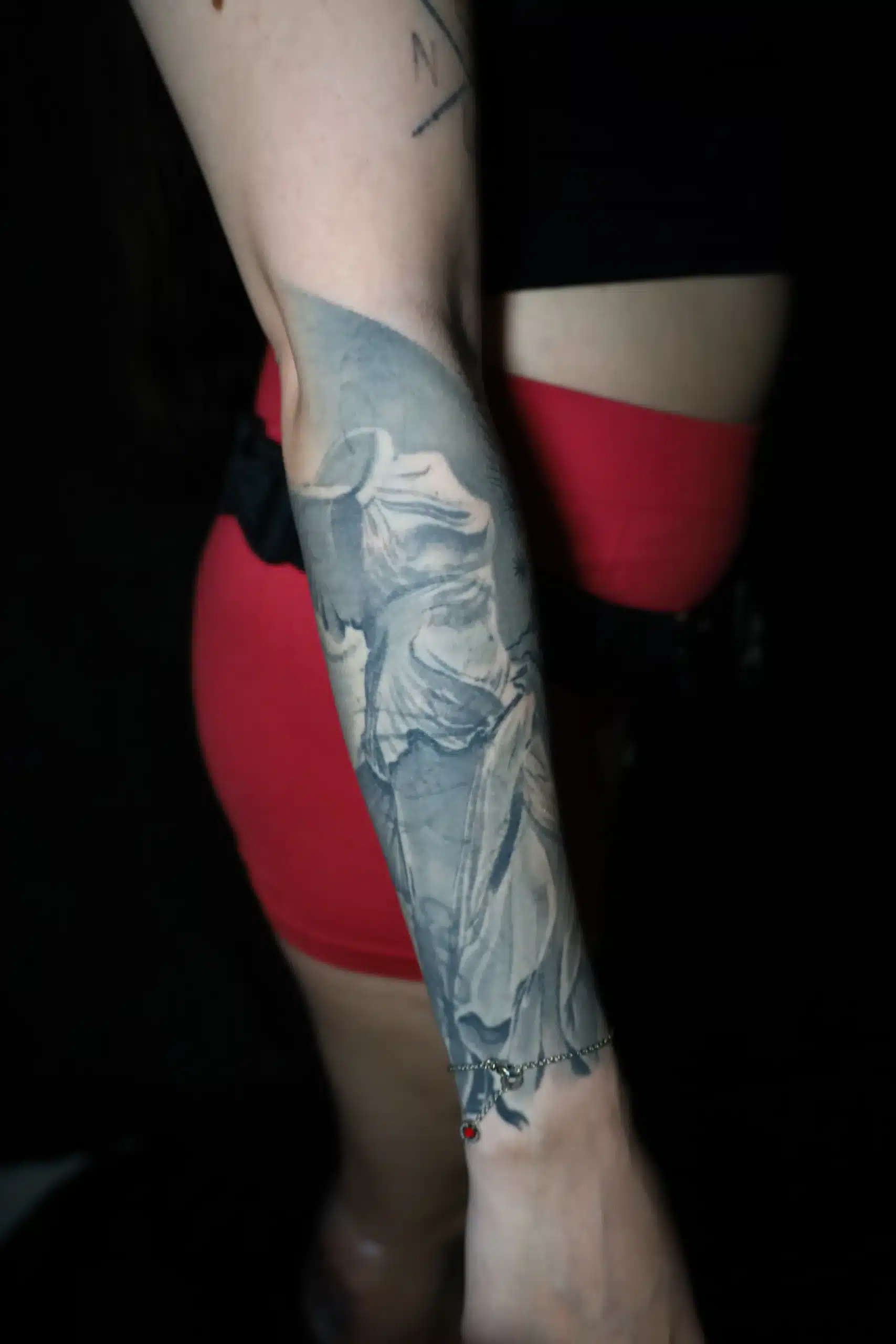
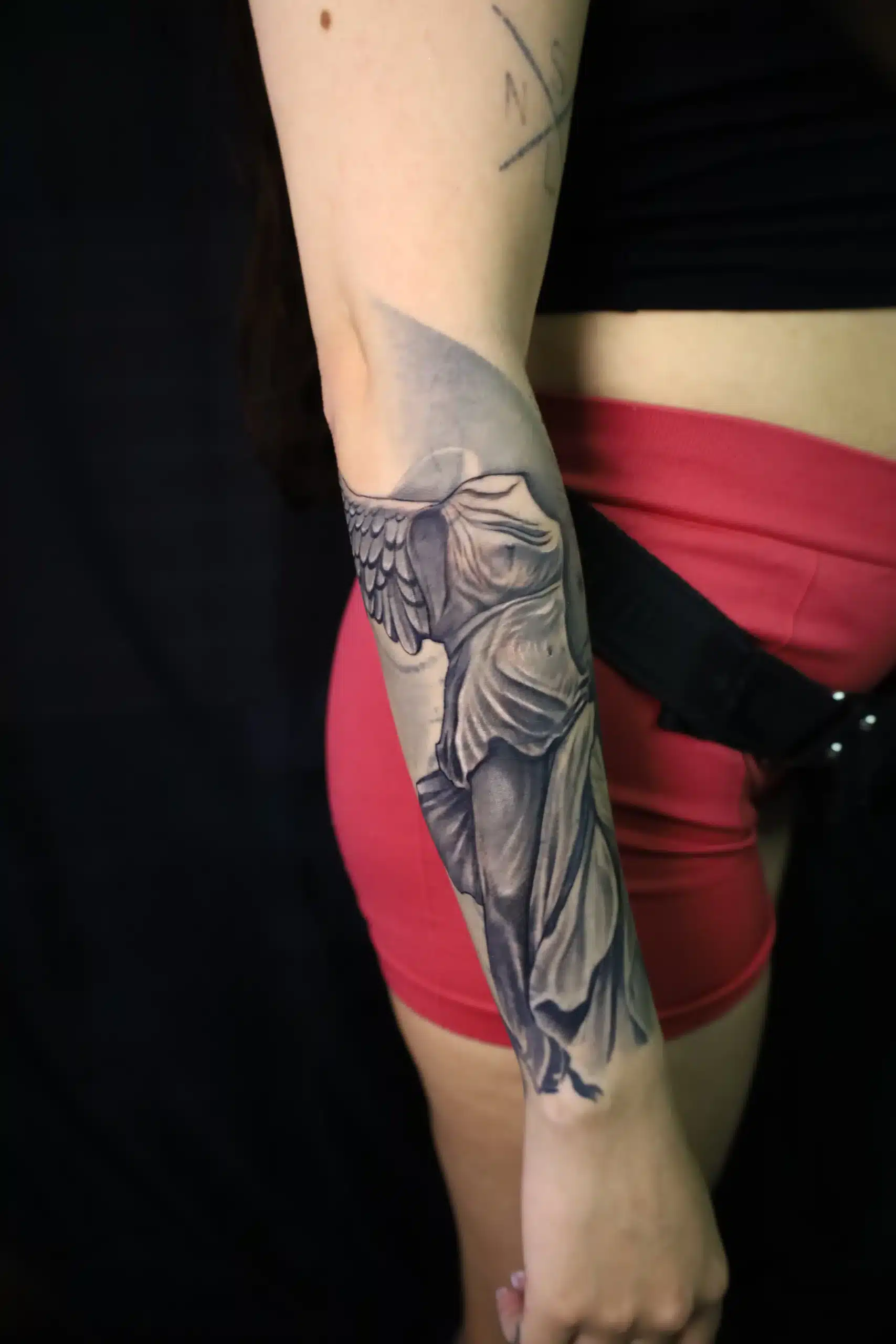
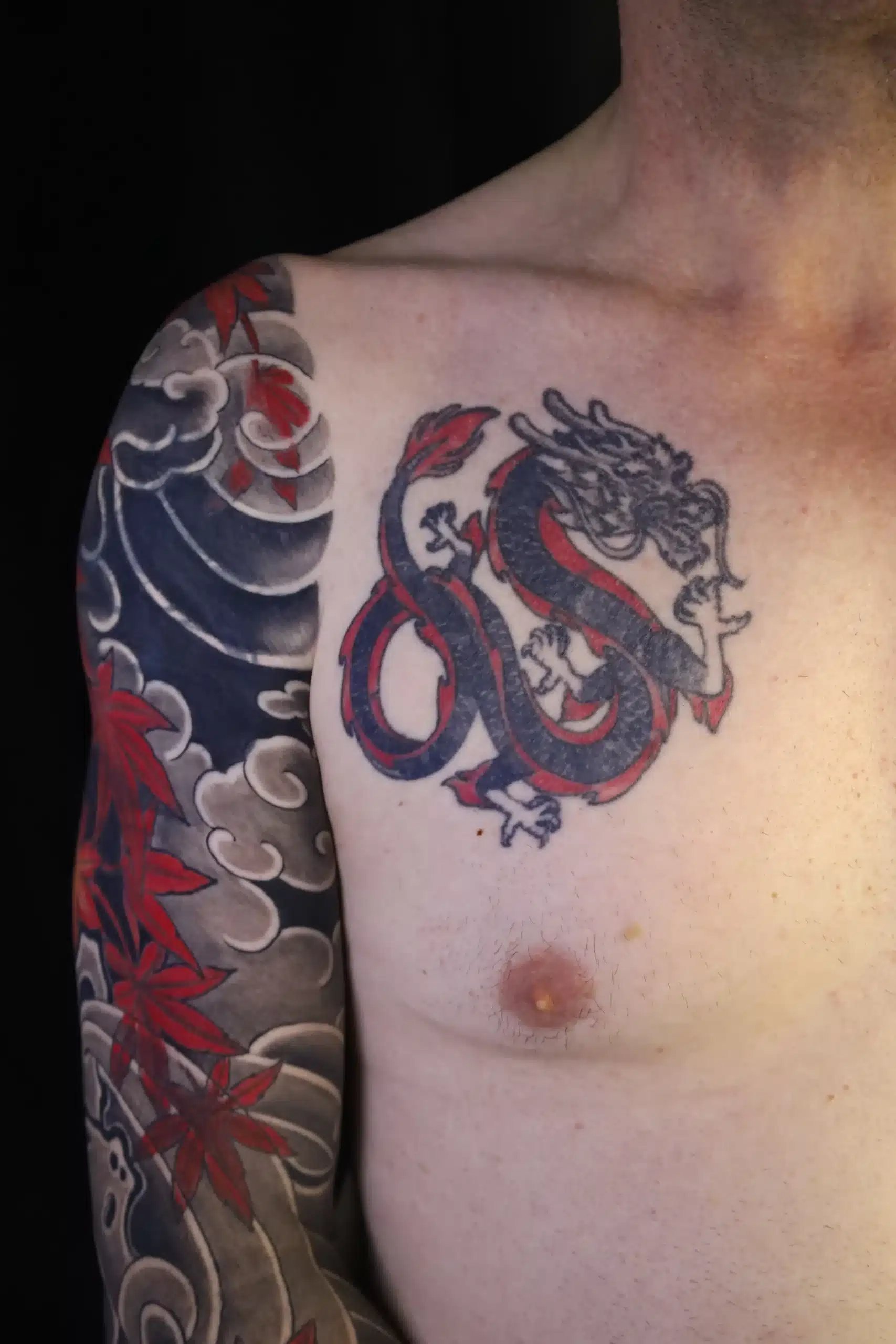
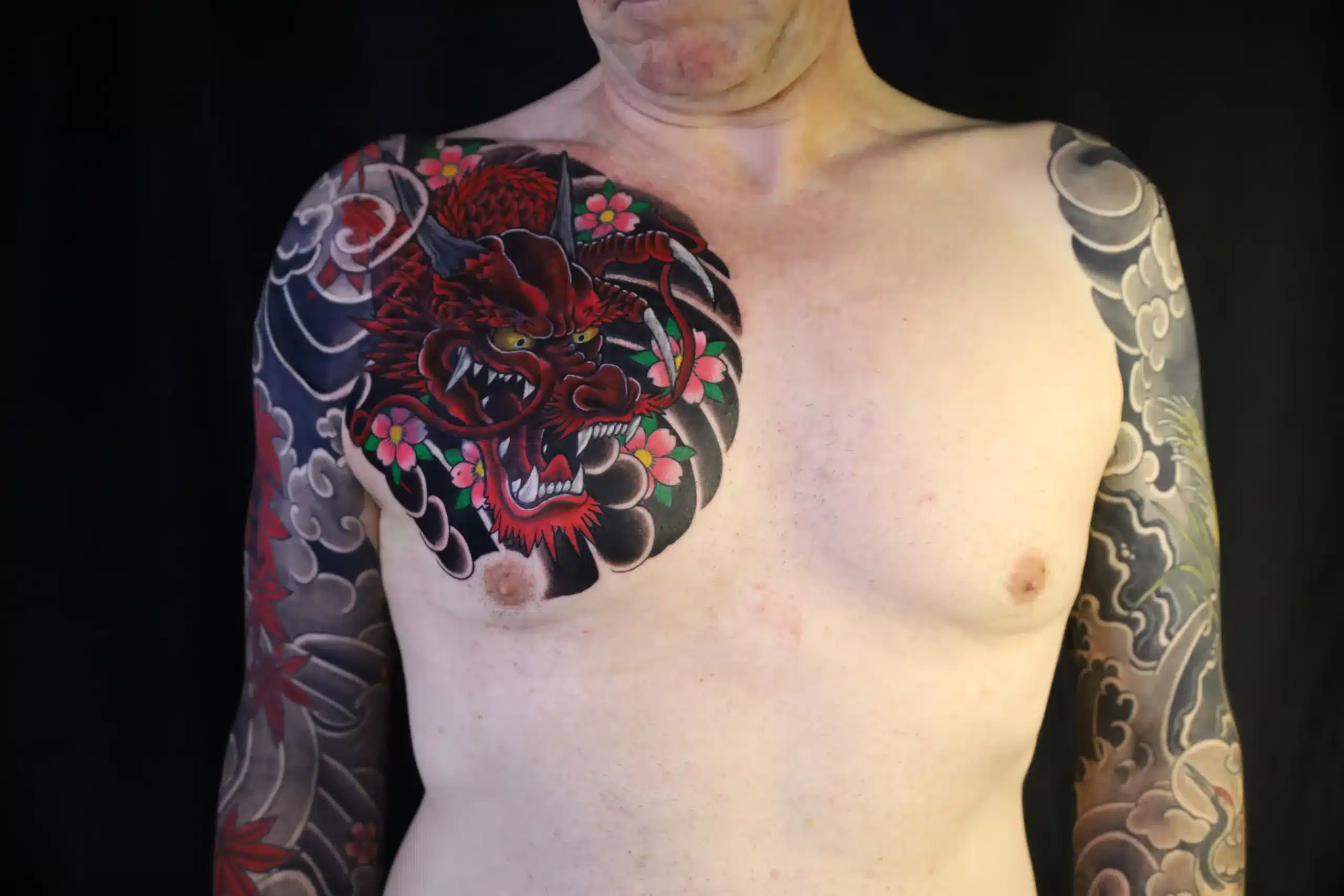
When reviewing an artist, look beyond tattoos created on clear skin. Actual cover-up and rework examples are particularly useful because they show how the artist handles existing lines, darker areas, contrast, and composition.

Considering a cover-up at PUREink.?
Send the PUREink. team clear photos of your current tattoo, its approximate size and location, reference images, what you want to keep, what you want covered, and your available dates in Bangkok. The team can review the project, recommend a suitable artist, and discuss what is realistically possible before the appointment.
A successful cover-up is not about hiding an old tattoo at any cost. It is about building the next design properly around what is already there.